
Economy
Bangladesh Loses $400 Million in Garment Orders to India Amid Unrest

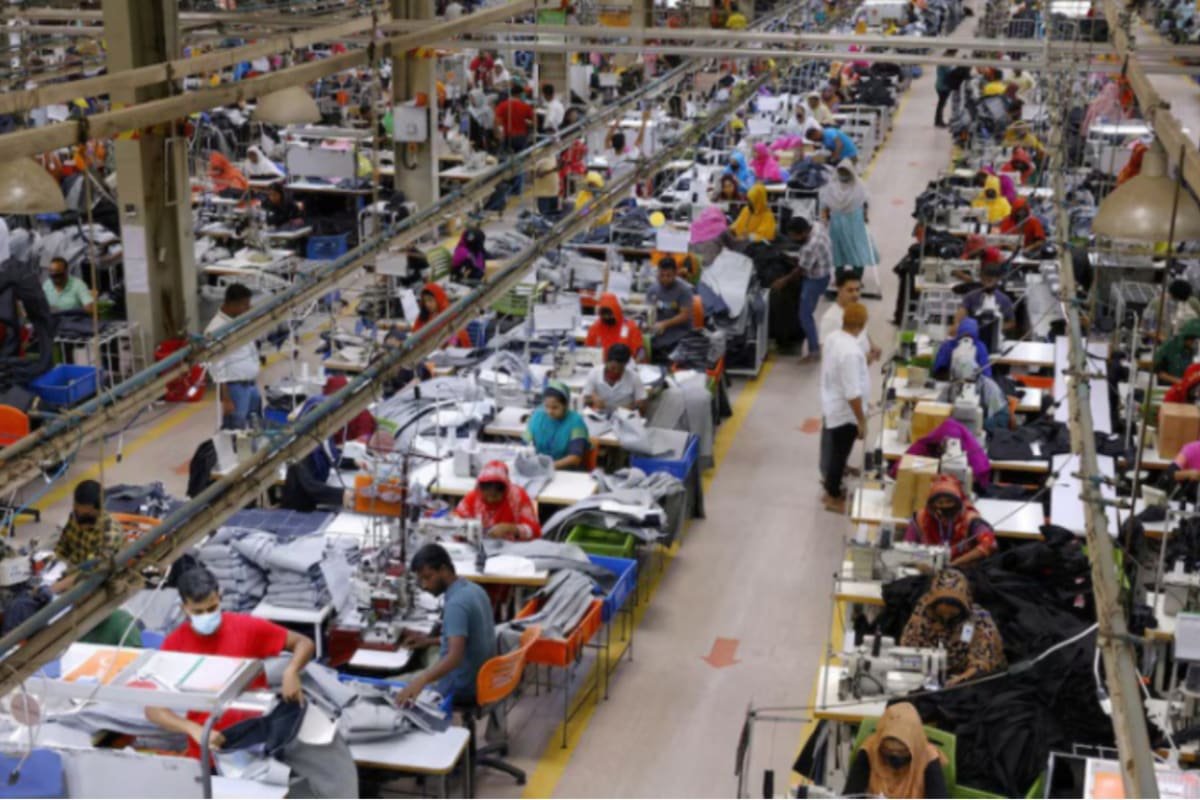
Global fashion giants including Zara and H&M have diverted approximately $400 million in garment orders away from Bangladesh due to persistent labor unrest, production disruptions, and political uncertainty. This shift has significantly benefited India, which has emerged as the primary alternative destination for these major retailers. The loss of these orders poses a severe threat to Bangladesh’s export-oriented economy and the stability of its vital ready-made garment sector.
According to data from Reuters, nearly $254 million in orders were moved from Bangladesh to other countries within the first 18 days of November alone. While India has secured the largest share of these redirected orders, Vietnam, Cambodia, and Indonesia are also gaining traction as reliable manufacturing hubs. This trend highlights a growing concern among international buyers regarding the reliability of the Bangladeshi supply chain.
Factors Driving the Shift
Rising labor costs, energy shortages, and the inability to meet strict delivery deadlines have eroded buyer confidence in the local industry. While Bangladeshi factories typically require 120 days to complete production cycles, competitors in India and Vietnam offer significantly faster turnaround times. This efficiency gap has become a critical disadvantage for Bangladesh in an increasingly competitive global market.
Industry experts warn that the current instability could lead to long-term consequences if buyer trust is not restored immediately. Some factories are currently facing backlogs of 20 to 25 days, further complicating the situation. As a result, Indian textile companies have seen their share prices climb by up to 11 percent, signaling a major expansion in their regional market influence.
“The failure to deliver products on time has made buyers prioritize supply chain reliability over price, creating a dangerous precedent for the future of our garment industry,” an industry analyst noted.
Moving forward, the primary challenge for stakeholders is to ensure political stability and uninterrupted production to prevent temporary order shifts from becoming permanent losses. If the sector fails to address these operational bottlenecks, Bangladesh risks losing its competitive edge in the global apparel market permanently.
Gold prices in the domestic market have reached an unprecedented milestone, surpassing Tk 2 lakh per bhori for the first time following three consecutive price hikes. The Bangladesh Jewellers Association (BAJUS) announced an increase of Tk 2,624, setting the new price for 22-carat gold at Tk 2,01,554 per bhori. This sharp rise has significantly impacted consumer purchasing power and created notable volatility in the local bullion market.
BAJUS attributed the record-breaking surge to ongoing instability in the global market coupled with a supply deficit against rising local demand. This latest adjustment follows a series of price hikes implemented shortly after November 27, further straining the market. Industry experts suggest that the rapid frequency of these changes has left both retailers and consumers struggling to adapt to the new economic reality.
Revised Price Structure
Under the new directive, 21-carat gold will now retail at Tk 1,92,514, while 18-carat gold is priced at Tk 1,65,337 per bhori. Traditional method gold has been set at Tk 1,34,778 per bhori. While the price of silver remains unchanged at Tk 3,033 per bhori, providing a minor relief, the overall cost of precious metals remains at an all-time high for the average buyer.
Consumer Guidelines
The association has mandated that all jewelers across the country strictly adhere to these new rates until further notice. Consumers are advised to remain vigilant against unauthorized charges, such as excessive VAT or additional labor fees beyond the standard rates. BAJUS emphasized that labor charges must be determined based on design, while specific deduction rules for selling or exchanging old jewelry must be enforced consistently.
The government has increased the price of bottled and loose soybean oil by Tk 3 per litre, citing rising costs in the international market and higher import expenses. Under the new pricing structure, bottled soybean oil will now retail at Tk 207 per litre, up from Tk 204, while loose soybean oil will cost Tk 188 per litre. This adjustment, which also raises the price of a five-litre bottle to Tk 1,015, places additional financial pressure on consumers already struggling with the cost of living.
According to the new directive, the price of a five-litre bottle of soybean oil has been increased by Tk 15, moving from Tk 1,000 to Tk 1,015. However, the price of loose palm oil remains unchanged at Tk 166 per litre. Authorities stated that these adjustments were necessary to maintain a steady supply chain and reflect the current global market volatility.
Industry Justification
The Bangladesh Vegetable Oil Refiners and Vanaspati Manufacturers Association claimed that domestic prices had not been adjusted since September 2, despite a consistent upward trend in global markets. The association informed the Ministry of Commerce that this price revision was essential to ensure the continued import and distribution of edible oil across the country.
The Ministry of Commerce and the Tariff Commission confirmed that the decision was reached after a thorough review of global market conditions and local inventory levels.
Government Oversight
To prevent artificial shortages and price gouging, the government has placed traders under strict surveillance ahead of the upcoming month of Ramadan. The Directorate of National Consumer Rights Protection and local district administrations have been instructed to take legal action against any retailers selling oil above the newly fixed rates. Officials emphasized that ensuring an uninterrupted supply remains a top priority for the administration.
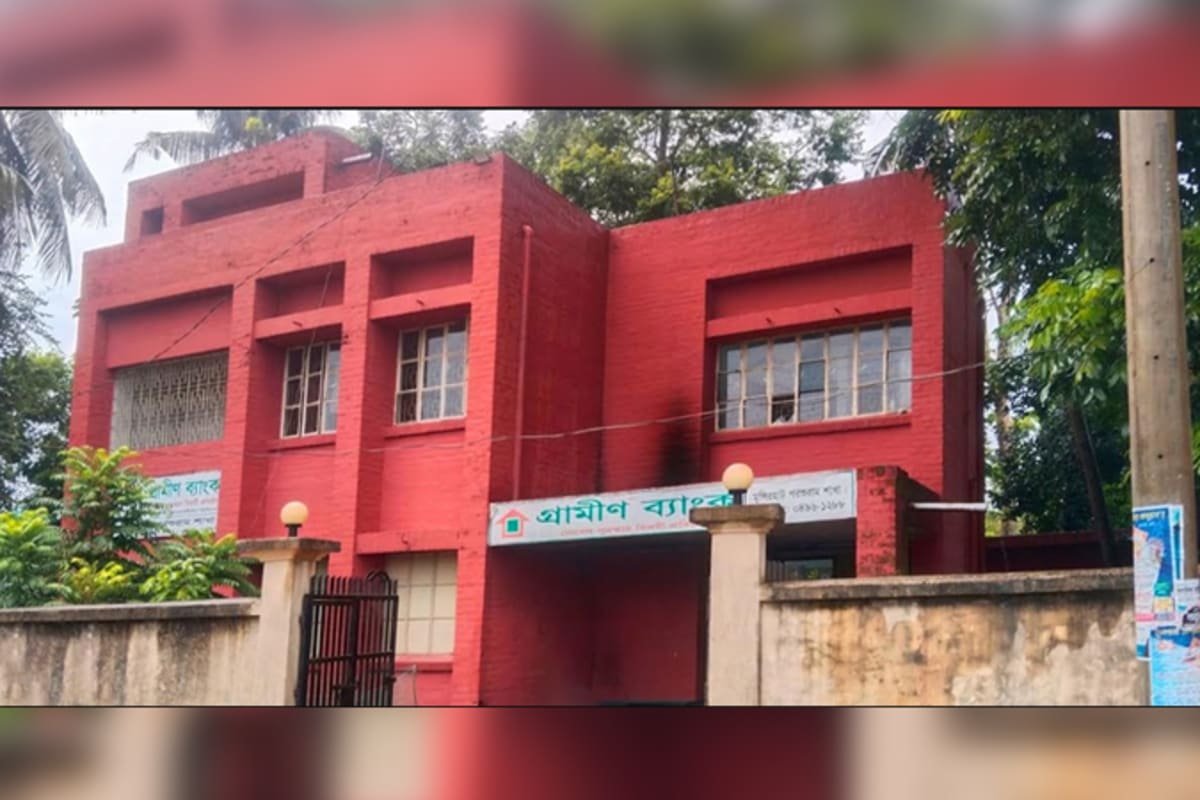
Between November 10 and November 25, 104 Grameen Bank branches and offices across the country faced violent attacks, forcing the complete suspension of operations at 29 locations. This wave of unrest has severely disrupted financial services for marginalized communities and cast a shadow of uncertainty over the rural economy. The bank, which serves over 10.6 million members, now faces significant challenges in maintaining its critical lending and savings operations.
Out of the bank’s 2,528 total branches, the damage to 104 locations has crippled normal banking activities. As 90 percent of the bank is owned by its borrower-shareholders, these attacks directly threaten the savings and credit access of ordinary citizens. The destruction of furniture and vital documentation has further complicated the recovery process for the affected branches.
Economic Impact on Rural Communities
The suspension of services has halted essential financial activities, including Boro season loan disbursements and cattle fattening projects ahead of the upcoming season. These disruptions hinder local poverty alleviation efforts and job creation initiatives. With a total loan portfolio of 19.298 billion BDT and 25.115 billion BDT in member deposits, the bank’s stability remains a primary concern for the rural financial ecosystem.
The security of 677 bank-owned buildings is now under scrutiny, as the safety of staff and assets remains compromised.
Bangladesh Bank has urged all stakeholders to act responsibly to restore banking services as quickly as possible. However, officials expressed concern that reopening the 29 closed branches will remain difficult until adequate security measures are guaranteed. Administrative intervention is considered essential to protect the deposits of marginalized people and ensure the continued stability of the rural economy.
-

 Bangladesh2 days ago
Railways suspend Benapole and Khulna-Dhaka train services over security concerns
-

 International2 days ago
Former Defense Contractor Claims Aliens Are Living Among Humans on Earth
-

 Crime and Justice2 days ago
Fake Stamp Racket Surfaces at Jashore Sub-Registry Office
-

 Bangladesh2 days ago
PM Tarique Rahman to visit Jashore and Kushtia on December 2
-

 Economy2 days ago
Attacks on 104 Grameen Bank Branches Force Closure of 29 Outlets