
Economy
Soybean oil prices hiked by Tk 3 per litre in domestic market

The government has increased the price of bottled and loose soybean oil by Tk 3 per litre, citing rising costs in the international market and higher import expenses. Under the new pricing structure, bottled soybean oil will now retail at Tk 207 per litre, up from Tk 204, while loose soybean oil will cost Tk 188 per litre. This adjustment, which also raises the price of a five-litre bottle to Tk 1,015, places additional financial pressure on consumers already struggling with the cost of living.
According to the new directive, the price of a five-litre bottle of soybean oil has been increased by Tk 15, moving from Tk 1,000 to Tk 1,015. However, the price of loose palm oil remains unchanged at Tk 166 per litre. Authorities stated that these adjustments were necessary to maintain a steady supply chain and reflect the current global market volatility.
Industry Justification
The Bangladesh Vegetable Oil Refiners and Vanaspati Manufacturers Association claimed that domestic prices had not been adjusted since September 2, despite a consistent upward trend in global markets. The association informed the Ministry of Commerce that this price revision was essential to ensure the continued import and distribution of edible oil across the country.
The Ministry of Commerce and the Tariff Commission confirmed that the decision was reached after a thorough review of global market conditions and local inventory levels.
Government Oversight
To prevent artificial shortages and price gouging, the government has placed traders under strict surveillance ahead of the upcoming month of Ramadan. The Directorate of National Consumer Rights Protection and local district administrations have been instructed to take legal action against any retailers selling oil above the newly fixed rates. Officials emphasized that ensuring an uninterrupted supply remains a top priority for the administration.
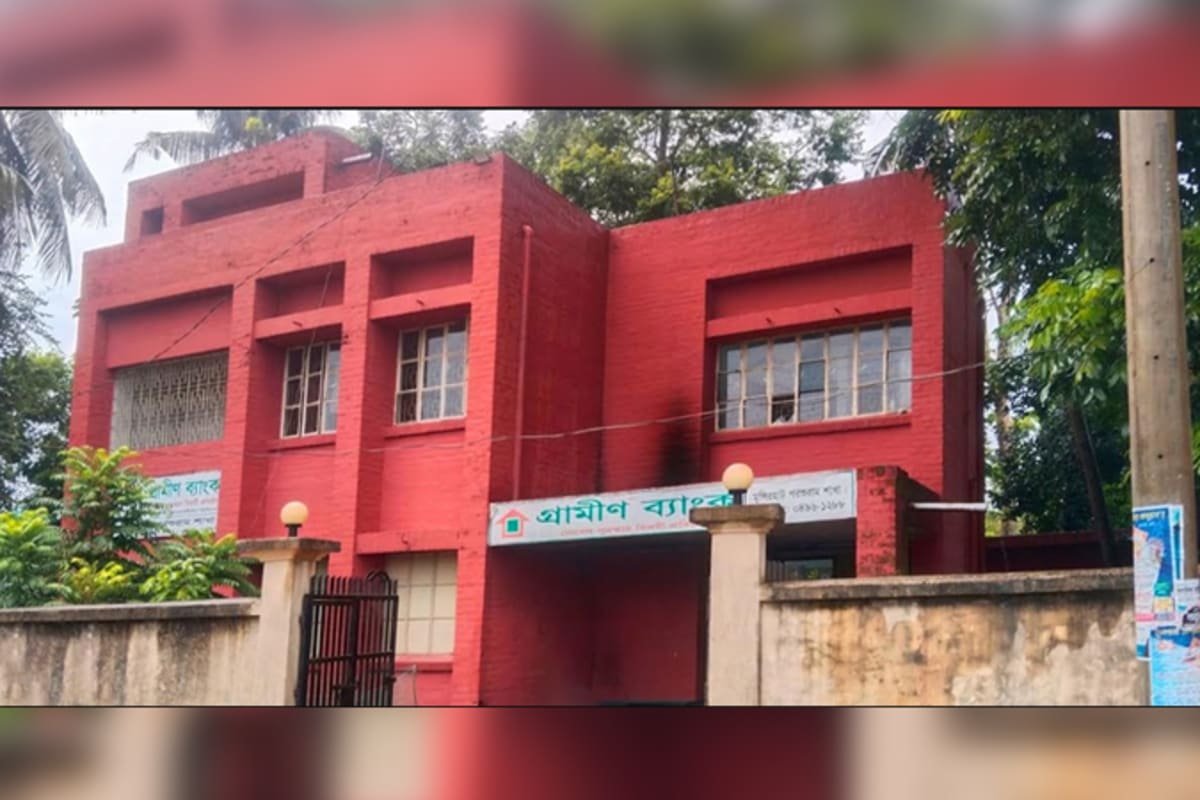
Between November 10 and November 25, 104 Grameen Bank branches and offices across the country faced violent attacks, forcing the complete suspension of operations at 29 locations. This wave of unrest has severely disrupted financial services for marginalized communities and cast a shadow of uncertainty over the rural economy. The bank, which serves over 10.6 million members, now faces significant challenges in maintaining its critical lending and savings operations.
Out of the bank’s 2,528 total branches, the damage to 104 locations has crippled normal banking activities. As 90 percent of the bank is owned by its borrower-shareholders, these attacks directly threaten the savings and credit access of ordinary citizens. The destruction of furniture and vital documentation has further complicated the recovery process for the affected branches.
Economic Impact on Rural Communities
The suspension of services has halted essential financial activities, including Boro season loan disbursements and cattle fattening projects ahead of the upcoming season. These disruptions hinder local poverty alleviation efforts and job creation initiatives. With a total loan portfolio of 19.298 billion BDT and 25.115 billion BDT in member deposits, the bank’s stability remains a primary concern for the rural financial ecosystem.
The security of 677 bank-owned buildings is now under scrutiny, as the safety of staff and assets remains compromised.
Bangladesh Bank has urged all stakeholders to act responsibly to restore banking services as quickly as possible. However, officials expressed concern that reopening the 29 closed branches will remain difficult until adequate security measures are guaranteed. Administrative intervention is considered essential to protect the deposits of marginalized people and ensure the continued stability of the rural economy.
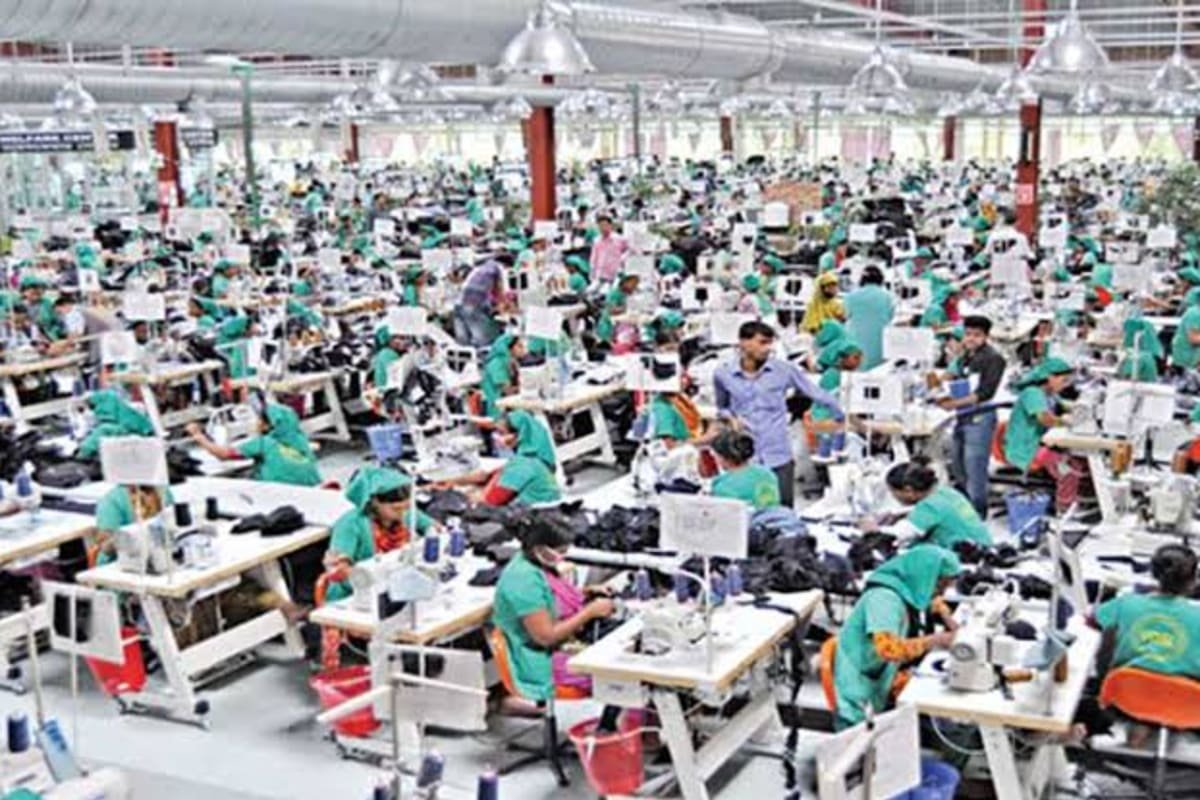
The government has finalized a new minimum monthly wage of Tk 17,000 for garment workers, marking a significant increase from the previous Tk 12,500. This decision follows extensive negotiations and a formal vote by the Minimum Wage Board late Tuesday night to address the rising cost of living for millions of employees in the country’s primary export sector. The new structure represents a 36 percent hike, providing much-needed relief to low-income workers amid persistent inflationary pressure.
The decision was reached after a prolonged meeting between representatives of factory owners and labor unions. While labor representatives initially demanded a minimum wage of Tk 18,000, the board ultimately approved the Tk 17,000 proposal through a majority vote. Out of the six board members, four voted in favor of the Tk 17,000 figure, while two supported the higher demand.
Impact on workforce
This adjustment translates to a direct monthly income increase of Tk 4,500 for garment workers. Industry analysts suggest that this 36 percent raise is crucial for maintaining the purchasing power of workers who have been struggling with the recent surge in commodity prices. The move is expected to stabilize the sector following a period of unrest and intense wage negotiations.
The new wage structure will be officially implemented following the publication of a government gazette. Once the notification is issued, all garment factories across the country will be legally mandated to comply with the revised pay scale.
Stakeholders are now closely monitoring how this increased wage burden will influence overall production costs and the competitiveness of Bangladeshi apparel in the global market. The government is expected to expedite the gazette process to ensure the new rates take effect without further delay.
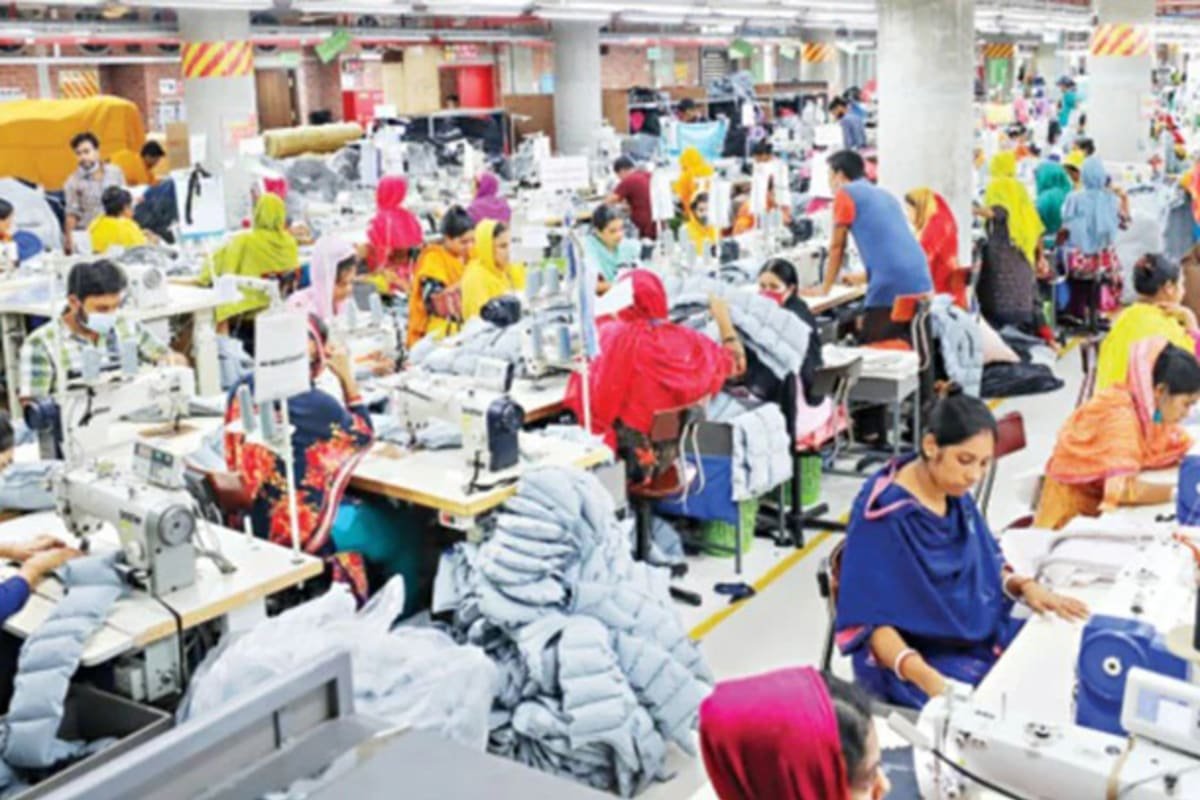
The Minimum Wage Board has finalized a new pay structure for garment workers, setting the minimum monthly wage at Tk 17,000. Following a marathon 10-hour session and a formal vote, the board confirmed that the new rates will take effect on December 1. This decision marks a significant increase of Tk 4,500 from the previous minimum wage, aiming to address the rising cost of living for millions of workers in the sector.
The decision followed intense negotiations during the board’s fourth meeting, where representatives from both factory owners and labor unions failed to reach a consensus. With a wide gap between the initial proposals, the board resorted to a vote among its six members. Ultimately, four members voted in favor of the Tk 17,000 figure, securing the final approval despite labor representatives pushing for a higher threshold.
Breakdown of the New Structure
Under the newly approved framework, wages across various grades have seen substantial adjustments. The first grade for senior operators will now receive Tk 21,500, reflecting an increase of Tk 6,465. Meanwhile, second-grade operators will earn Tk 20,000, and third-grade junior operators will receive Tk 19,200, marking increases of Tk 5,727 and Tk 5,650 respectively.
Wage Board Chairman Syed Azad Subhani said, “The board will convene again on Wednesday to finalize the ratio between basic salary and house rent within the total wage package. This meeting will provide the final structure for the new pay scale.”
While labor leaders had initially demanded a minimum of Tk 18,000, the finalized amount is expected to provide a measure of stability for the industry. Stakeholders believe this adjustment balances the workers’ needs with the economic realities of the garment sector, ensuring continued production while supporting the workforce.
-

 Crime and Justice2 days ago
Man harassed, threatened for filming drainage issues in Rangamati
-
 Crime and Justice1 day ago
Authorities seize 150 tonnes of stolen government wheat in Abhaynagar, 5 held
-
Crime and Justice1 day ago
Pregnant Worker Debunks Death Rumors at Gazipur Police Station
-
 Bangladesh1 day ago
Bangladesh Voter Count Reaches 129.2 Million Ahead of Union Parishad Polls
-
 Bangladesh4 hours ago
Railways suspend Benapole and Khulna-Dhaka train services over security concerns