
Economy
Garment workers’ minimum wage raised to Tk 17,000

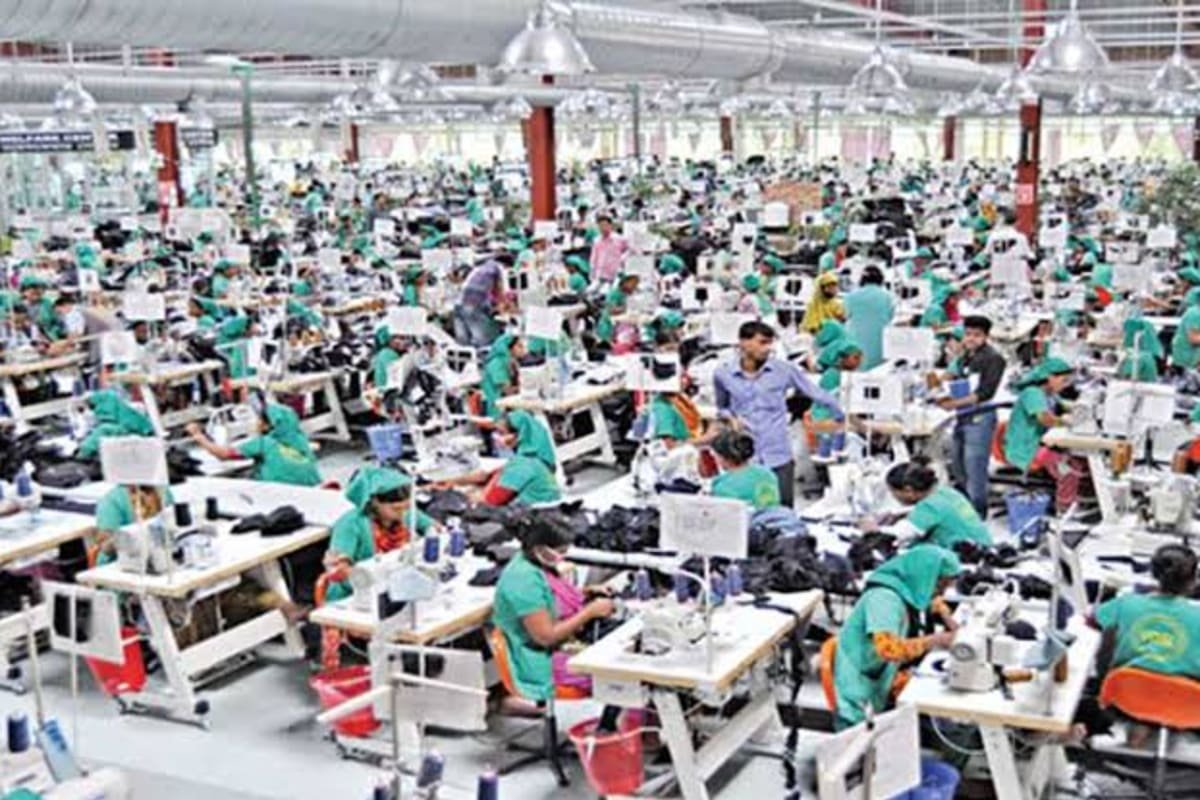
The government has finalized a new minimum monthly wage of Tk 17,000 for garment workers, marking a significant increase from the previous Tk 12,500. This decision follows extensive negotiations and a formal vote by the Minimum Wage Board late Tuesday night to address the rising cost of living for millions of employees in the country’s primary export sector. The new structure represents a 36 percent hike, providing much-needed relief to low-income workers amid persistent inflationary pressure.
The decision was reached after a prolonged meeting between representatives of factory owners and labor unions. While labor representatives initially demanded a minimum wage of Tk 18,000, the board ultimately approved the Tk 17,000 proposal through a majority vote. Out of the six board members, four voted in favor of the Tk 17,000 figure, while two supported the higher demand.
Impact on workforce
This adjustment translates to a direct monthly income increase of Tk 4,500 for garment workers. Industry analysts suggest that this 36 percent raise is crucial for maintaining the purchasing power of workers who have been struggling with the recent surge in commodity prices. The move is expected to stabilize the sector following a period of unrest and intense wage negotiations.
The new wage structure will be officially implemented following the publication of a government gazette. Once the notification is issued, all garment factories across the country will be legally mandated to comply with the revised pay scale.
Stakeholders are now closely monitoring how this increased wage burden will influence overall production costs and the competitiveness of Bangladeshi apparel in the global market. The government is expected to expedite the gazette process to ensure the new rates take effect without further delay.
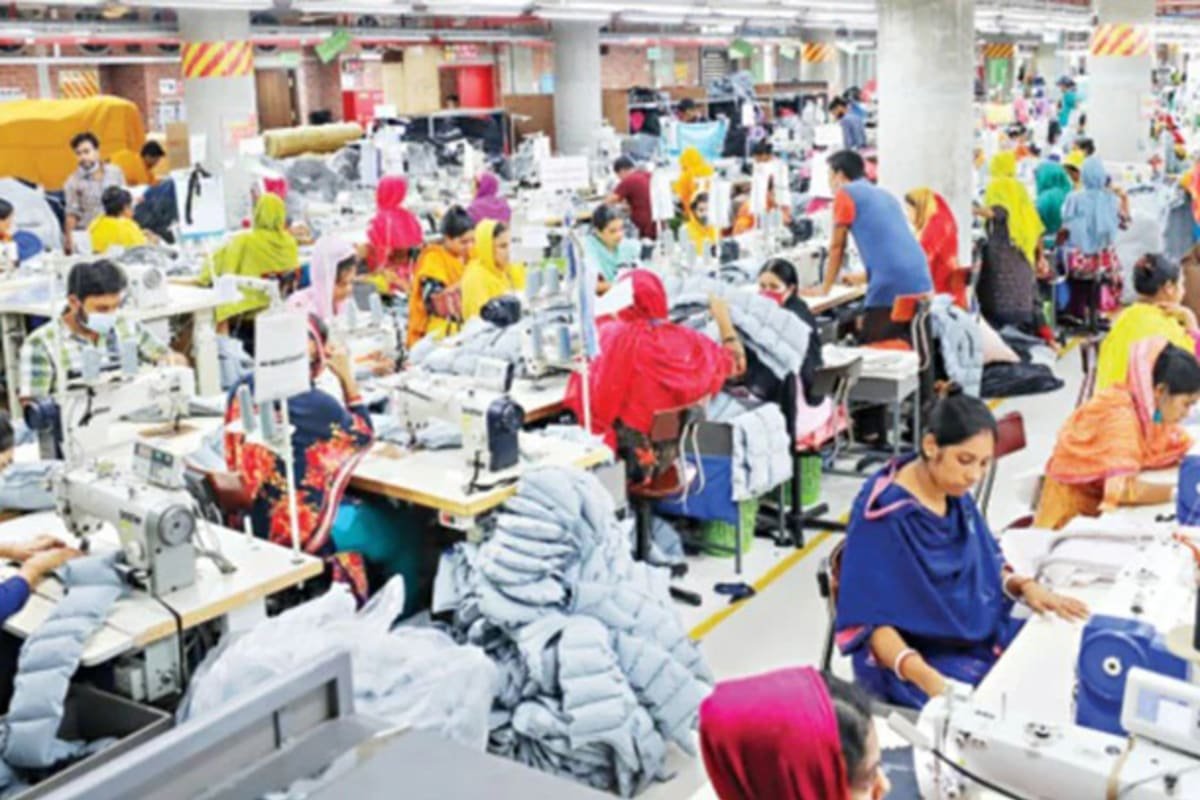
The Minimum Wage Board has finalized a new pay structure for garment workers, setting the minimum monthly wage at Tk 17,000. Following a marathon 10-hour session and a formal vote, the board confirmed that the new rates will take effect on December 1. This decision marks a significant increase of Tk 4,500 from the previous minimum wage, aiming to address the rising cost of living for millions of workers in the sector.
The decision followed intense negotiations during the board’s fourth meeting, where representatives from both factory owners and labor unions failed to reach a consensus. With a wide gap between the initial proposals, the board resorted to a vote among its six members. Ultimately, four members voted in favor of the Tk 17,000 figure, securing the final approval despite labor representatives pushing for a higher threshold.
Breakdown of the New Structure
Under the newly approved framework, wages across various grades have seen substantial adjustments. The first grade for senior operators will now receive Tk 21,500, reflecting an increase of Tk 6,465. Meanwhile, second-grade operators will earn Tk 20,000, and third-grade junior operators will receive Tk 19,200, marking increases of Tk 5,727 and Tk 5,650 respectively.
Wage Board Chairman Syed Azad Subhani said, “The board will convene again on Wednesday to finalize the ratio between basic salary and house rent within the total wage package. This meeting will provide the final structure for the new pay scale.”
While labor leaders had initially demanded a minimum of Tk 18,000, the finalized amount is expected to provide a measure of stability for the industry. Stakeholders believe this adjustment balances the workers’ needs with the economic realities of the garment sector, ensuring continued production while supporting the workforce.
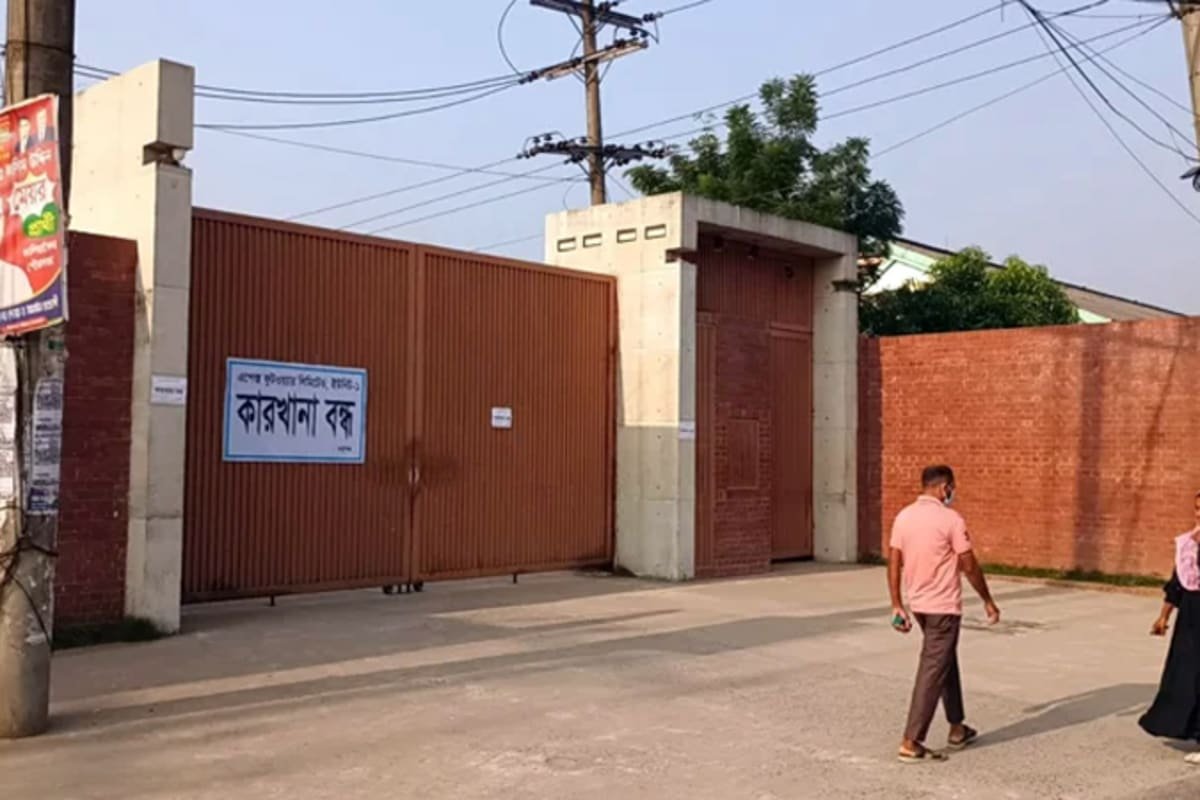
Authorities have declared an indefinite shutdown of 20 garment factories in the Ashulia industrial belt following persistent worker unrest and the absence of a resolution from the wage board. The closure, enforced under Section 13(1) of the Labour Act, highlights a deepening crisis in the apparel sector that threatens national export targets. Workers have staged work stoppages demanding a wage structure that aligns with the rising cost of living, while factory owners cite mounting operational costs as a barrier to meeting these demands.
The industrial landscape remains tense as workers continue to press for higher pay to cope with inflation. While the wage board has held discussions, the lack of a definitive outcome has fueled frustration among the workforce. Owners argue that high energy costs and a decline in international purchase orders have severely squeezed their profit margins, making significant wage hikes financially unsustainable for many enterprises.
Data from the industrial police indicates that beyond the 20 factories closed indefinitely, 10 facilities declared a general holiday on Tuesday. Additionally, workers at nine other factories reported for duty but refused to participate in production activities. This form of peaceful protest, where workers remain inside the premises without engaging in vandalism, has effectively halted operations while keeping the situation from escalating into physical violence.
Industrial police officials stated that they are monitoring the situation closely to prevent any potential unrest. They confirmed that while most factories in the region are operating normally, production remains severely disrupted in the affected units.
Industry experts warn that the ongoing deadlock poses a significant risk to the country’s export-oriented economy. A swift and balanced resolution between the wage board, factory owners, and labor representatives is considered essential to restore stability. Without a compromise that addresses worker welfare while maintaining industrial viability, the sector faces the prospect of prolonged instability and missed production targets.
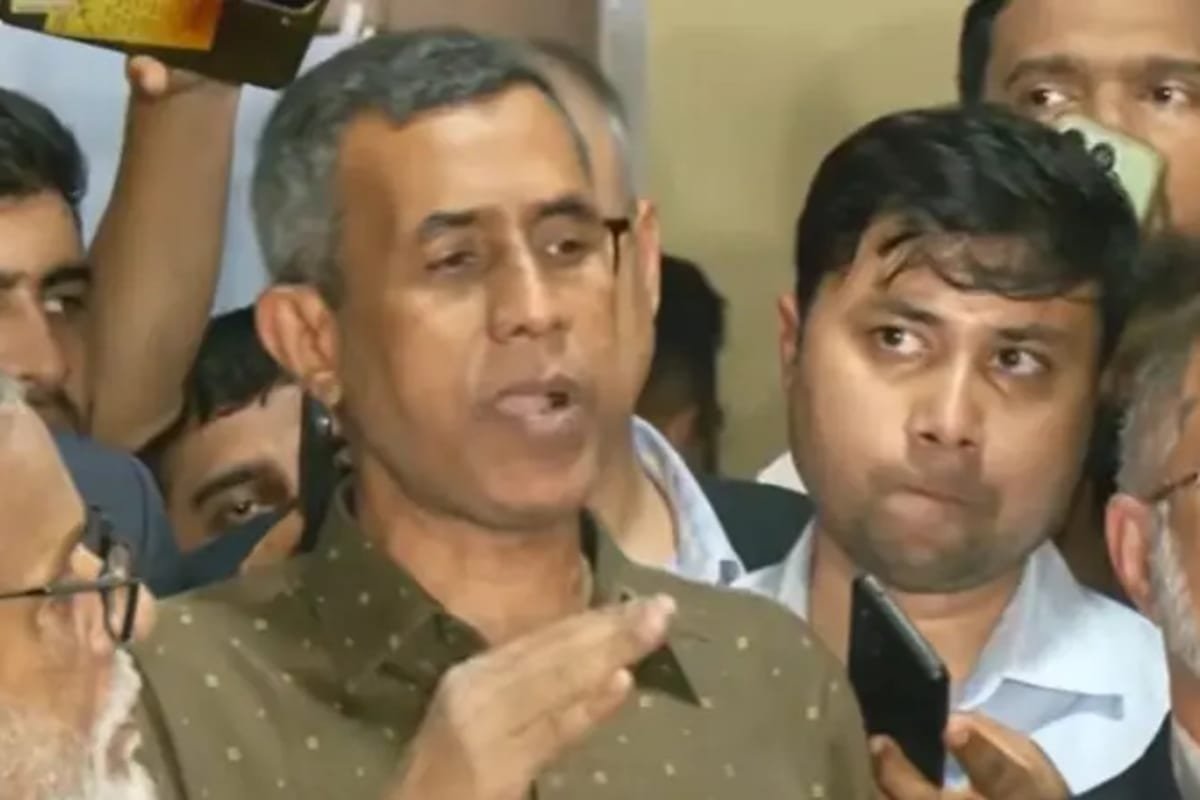
Garment worker representatives have officially rejected the latest wage proposal submitted by factory owners, raising concerns over potential instability in the country’s primary export sector. The rejection occurred during a meeting of the Minimum Wage Board, where both parties failed to reach a consensus on a new pay structure for millions of workers. This ongoing impasse highlights the deepening divide between labor demands and industry affordability.
Labor leaders argued that the proposal put forward by the owners failed to meet the basic expectations of the workforce. While the specific figures of the new offer remain undisclosed, representatives indicated that the amount is insufficient to cover the rising cost of living. Negotiations are currently underway to seek a middle ground that prevents further unrest in the garment industry.
Background of the Dispute
Previously, worker representatives demanded a minimum wage of 32,000 taka, citing high inflation and the increased cost of essential goods. Factory owners dismissed this demand as unreasonable, leading to a prolonged stalemate that has persisted for several weeks. The industry remains under pressure to balance competitive production costs with the economic survival of its massive labor force.
Labor representative Babul Akhter said, “The proposal presented by the owners failed to meet the workers’ expectations, and we are currently attempting to reconsider the terms through further dialogue.”
Minimum Wage Board Chairman Syed Azad Subhani confirmed that discussions are ongoing and a final decision will only be reached after further consultations. The board intends to continue mediating between the two parties to establish a sustainable wage structure. Observers expect the bargaining process to remain tense until a formal announcement is made regarding the new minimum wage.
-
 Politics2 days ago
Nahid Islam Calls for National Unity to Counter Indian Hegemony
-
 Crime and Justice2 days ago
BGB heightens security at Benapole border following reports of Awami League leaders’ meeting
-
Crime and Justice2 hours ago
Pregnant Worker Debunks Death Rumors at Gazipur Police Station
-

 Economy2 days ago
Garment Workers Reject Employers’ New Wage Proposal Amid Ongoing Deadlock
-

 Crime and Justice1 day ago
Police Arrest BCL Activist for Muksudpur Police Station Attack and Social Media Celebration