
International
Bollywood legend Dharmendra passes away at 89 in Mumbai


Veteran Bollywood actor Dharmendra has passed away at the age of 89. The legendary star died on Tuesday morning (November 11) at Breach Candy Hospital in Mumbai.
According to India Today, Dharmendra was admitted to the hospital with respiratory complications and was placed on ventilator support. Despite medical efforts, he could not be revived.
Born on December 8, 1935, in Nasrali village of Punjab, Dharmendra began his career as a clerk in the Indian Railways before pursuing his passion for cinema. He moved to Mumbai to chase his dream of becoming an actor.
After years of struggle, he made his film debut in 1960 with Dil Bhi Tera Hum Bhi Tere. Over a career spanning more than six decades, Dharmendra appeared in numerous hit films and became one of Bollywood’s most beloved actors.
Some of his iconic films include Sholay, Chupke Chupke, Dharam Veer, Phool Aur Patthar, Satyakam, Raja Jani, and Rakhwala. Known for his charm and versatility, Dharmendra remained a defining figure in Indian cinema for generations.

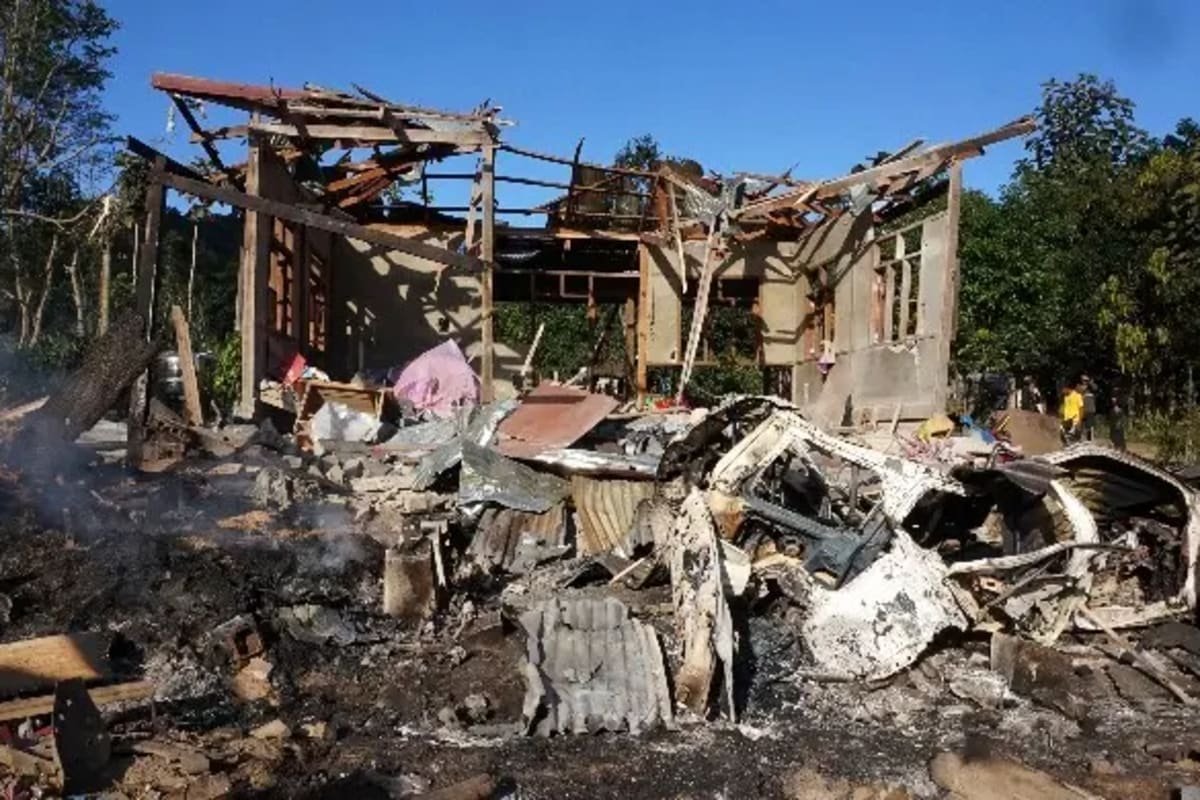
At least 21 civilians, including five children, were killed when a Myanmar military airstrike targeted a wedding ceremony in the Moe Bye area near the border of Shan and Karenni states. The attack, which occurred during a celebration for two displaced individuals, also left more than 40 people injured. Witnesses reported that military aircraft returned to strike the site again while rescue operations were underway, significantly complicating efforts to save survivors.
The incident has drawn international condemnation as the death toll continues to rise in the conflict-torn region. Local reports indicate that the lack of available transport vehicles hindered the evacuation of the wounded to nearby medical facilities, leaving rescue workers struggling to manage the crisis. Graphic footage from the scene captured the aftermath, showing debris and the distress of survivors in the wake of the bombardment.
The military junta continues to conduct indiscriminate airstrikes in regions where opposition forces maintain influence, despite the area being nominally under government control. This latest tragedy follows the recent International Court of Justice ruling on the Rohingya genocide, further intensifying global pressure on the ruling junta.
Since the 2021 military coup, the ongoing civil war in Myanmar has claimed more than 100,000 lives. The military has frequently targeted civilian gatherings in contested territories as part of its broader campaign against resistance groups. Despite the severity of the attack and the resulting civilian casualties, the military junta has not yet issued an official statement or comment regarding the incident.

Astronomers have captured the first direct evidence of a dying star’s final thermal pulse, providing unprecedented insights into stellar evolution. Using the Atacama Large Millimeter/submillimeter Array (ALMA) in Chile, researchers observed the star IRAS 06530-0213, located 12,000 light-years from Earth. This rare observation reveals the intense nuclear activity that occurs as sun-like stars transition into their final red giant phase.
As a star exhausts its core hydrogen, it loses gravitational equilibrium and begins to expand rapidly. During this phase, internal thermal pulses trigger powerful explosions that eject gas and dust into space, eventually forming a planetary nebula. This process marks the dramatic end of a star’s life cycle, scattering essential elements across the cosmos.
The observation confirms that stellar death is not a silent process but a complex, explosive event that shapes the chemical composition of the universe.
Data indicates that the gas shell surrounding the star spans approximately half a light-year and was ejected roughly 6,500 years ago. Furthermore, the star’s hourglass-shaped nebula began forming only 700 years ago, a remarkably short duration in cosmic terms. These findings challenge existing theoretical models regarding how stars distribute materials into space.
Researchers identified heavy isotopes of carbon, oxygen, and nitrogen that do not align with current scientific predictions. Scientists are now analyzing these discrepancies to refine models of how sun-like stars synthesize elements and conclude their life cycles. This discovery serves as a critical step in understanding how dying stars provide the raw materials necessary for the birth of new celestial bodies.
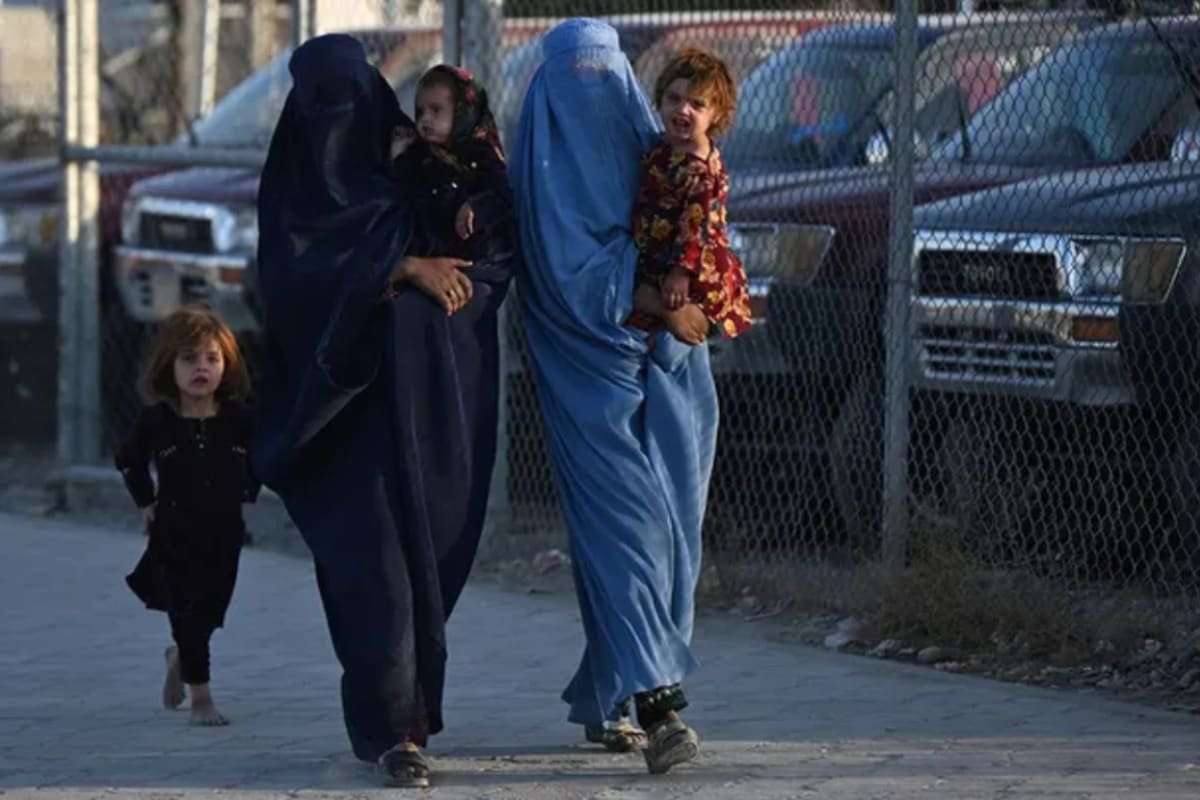
Taliban authorities in Afghanistan’s Balkh province have issued a directive prohibiting the use of women’s names in official documents and medical records. This restrictive policy forces officials to address women using derogatory terms or generic titles, marking a significant escalation in the systematic erasure of female identity under the current regime. International observers and human rights groups have condemned the move as a dehumanizing effort to strip women of their fundamental social and personal recognition.
Reports from international media outlets, including Spain’s El Pais, indicate that women are now being forced to use titles such as ‘Bibi’ or other generic labels instead of their legal names. Activists warn that this practice, which effectively renders women invisible in public and administrative spheres, could soon be expanded across the entire country as part of a broader strategy to suppress female autonomy.
Impact on Healthcare Access
The prohibition has created severe complications within the healthcare system, as the absence of names on medical prescriptions increases the risk of misdiagnosis and treatment errors. By denying women the right to be identified, the Taliban has further restricted their access to essential medical services. This administrative hurdle serves as another layer of exclusion for a population already struggling under extreme societal limitations.
Escalating Restrictions
According to data from the women’s rights organization Femena, the Taliban has imposed more than 144 restrictive edicts since seizing power in August 2021. These measures include sweeping bans on female education, employment, and public speech, effectively reversing the progress made in 2020 when women gained the right to include their names on their children’s birth certificates.
“This is not merely an administrative directive, but a calculated attempt to erase the social and personal identity of Afghan women,” said a local human rights advocate.
While the Taliban’s Ministry for the Propagation of Virtue and the Prevention of Vice claims that women may work within the framework of Sharia law, the reality on the ground remains one of intense repression. Many Afghan women continue to operate secret educational and business initiatives, yet they face constant threats of surveillance, harassment, and arrest by regime authorities.
-

 Economy14 hours ago
Jashore’s Date Molasses Industry Targets Tk 125 Crore Revenue This Season
-
 Crime and Justice2 days ago
Chinese national arrested for raping 15 women after luring them via TikTok
-

 Crime and Justice2 days ago
Petrol bombs hurled at Grameen Bank branch in Barishal
-

 Crime and Justice17 hours ago
Police Detain 37 Women for Pickpocketing at Azhari’s Mahfil in Rajshahi
-

 Crime and Justice2 days ago
Elder brother murdered by younger sibling over land dispute in Joypurhat