International
Major Gold Reserve Found in Iran’s Shadan Mine Amid Economic Strain

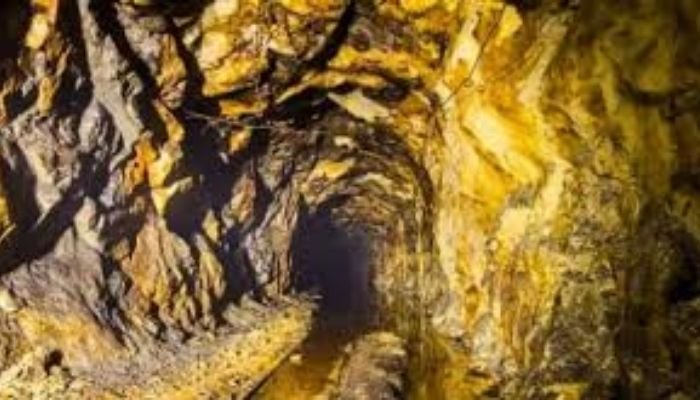
A significant new gold reserve has been discovered in Iran’s old Shadan gold mine, according to reports by Middle Eastern media citing local sources on 1 December. The privately owned mine, located in South Khorasan province, has revealed substantial new deposits, though authorities have not yet disclosed the estimated volume.
Iran currently operates 15 gold mines, among which the Zarshouran mine in the northwest is considered the largest. The country’s economy has struggled for years under international sanctions, pressures over its nuclear programme, and heightened tensions with Israel. Analysts suggest that the newly identified reserve offers a fresh glimmer of hope for Iran’s strained economy.
The development follows a similar claim last month from Pakistan, where a massive gold reserve was reportedly discovered in the Tarbela area of Khyber Pakhtunkhwa. Hanif Gohar, former senior vice-president of the Federation of Pakistan Chambers of Commerce and Industry, stated that the deposit could be worth around 636 billion dollars—enough, he claimed, to clear all of Pakistan’s foreign debt.
Gohar said the matter has been brought to the attention of Pakistan’s Special Investment Facilitation Council and the central bank governor. Two drilling companies from Australia and Canada have reportedly been contacted as part of early preparations. However, no official statement has yet been issued by the Pakistani government.


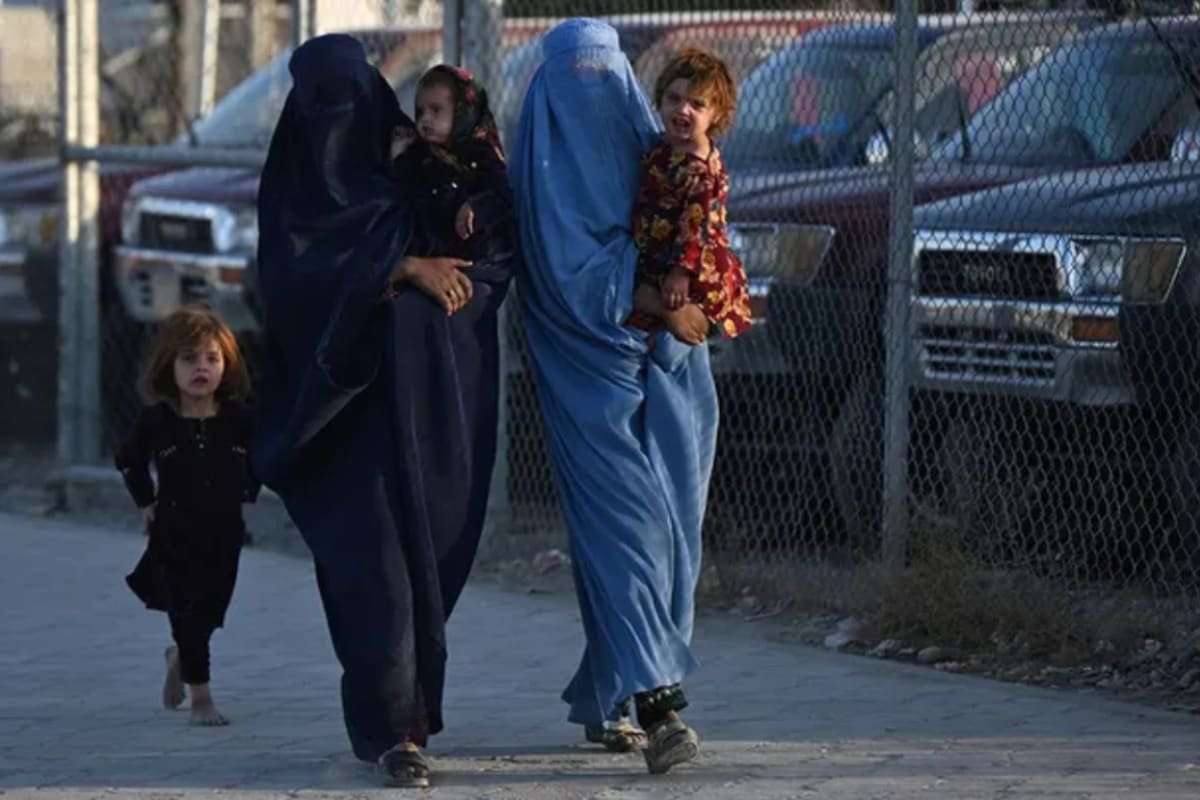
Taliban authorities in Afghanistan’s Balkh province have issued a directive prohibiting the use of women’s names in official documents and medical records. This restrictive policy forces officials to address women using derogatory terms or generic titles, marking a significant escalation in the systematic erasure of female identity under the current regime. International observers and human rights groups have condemned the move as a dehumanizing effort to strip women of their fundamental social and personal recognition.
Reports from international media outlets, including Spain’s El Pais, indicate that women are now being forced to use titles such as ‘Bibi’ or other generic labels instead of their legal names. Activists warn that this practice, which effectively renders women invisible in public and administrative spheres, could soon be expanded across the entire country as part of a broader strategy to suppress female autonomy.
Impact on Healthcare Access
The prohibition has created severe complications within the healthcare system, as the absence of names on medical prescriptions increases the risk of misdiagnosis and treatment errors. By denying women the right to be identified, the Taliban has further restricted their access to essential medical services. This administrative hurdle serves as another layer of exclusion for a population already struggling under extreme societal limitations.
Escalating Restrictions
According to data from the women’s rights organization Femena, the Taliban has imposed more than 144 restrictive edicts since seizing power in August 2021. These measures include sweeping bans on female education, employment, and public speech, effectively reversing the progress made in 2020 when women gained the right to include their names on their children’s birth certificates.
“This is not merely an administrative directive, but a calculated attempt to erase the social and personal identity of Afghan women,” said a local human rights advocate.
While the Taliban’s Ministry for the Propagation of Virtue and the Prevention of Vice claims that women may work within the framework of Sharia law, the reality on the ground remains one of intense repression. Many Afghan women continue to operate secret educational and business initiatives, yet they face constant threats of surveillance, harassment, and arrest by regime authorities.

The Italian Parliament has officially approved a sweeping education reform that bans the wearing of burqas and niqabs in schools while capping the number of foreign-born students at 30 percent per classroom. Prime Minister Giorgia Meloni’s government introduced the legislation, known as ‘Decreto Scuola,’ to enforce discipline and national integration standards within the education system. The new regulations, which include fines of up to 1,000 euros for non-compliance, are scheduled for full implementation by the 2026-27 academic year.
Legislative Framework and Penalties
The government maintains that the ban on face-covering garments promotes gender equality and social cohesion within public institutions. Under the new law, students or their guardians face financial penalties reaching 1,000 euros for violating the dress code. Officials stated that these measures are essential to align the national education system with broader recovery plans and maintain order in classrooms across the country.
Political Opposition and Controversy
Opposition lawmakers vehemently challenged the bill, staging protests in parliament with banners declaring that ‘no one is a foreigner in school.’ Critics argue that the legislation is discriminatory and will foster alienation among Muslim students and immigrant families. They contend that the policy undermines the inclusive nature of the Italian education system and targets specific religious practices under the guise of administrative reform.
Integration and Language Requirements
Despite the strict 30 percent cap on foreign students, the law provides exemptions for those who demonstrate sufficient proficiency in the Italian language. To support integration, the government has mandated Italian language courses for parents of foreign children who struggle to adapt to the local curriculum. These provisions aim to ensure that students from diverse backgrounds can participate effectively in the national academic environment.
Implementation and Future Outlook
The bill passed with 142 votes in favor and 112 against, highlighting a deep political divide regarding immigration and national identity. Political analysts suggest that this move could trigger similar debates across Europe concerning religious attire and the integration of migrant populations. The Meloni administration expects the administrative transition to be completed by 2026, marking a significant shift in Italy’s educational policy.
Gaza’s Civil Defense has issued an urgent warning as a powerful storm approaches the region, threatening the lives of over 1.3 million displaced Palestinians living in makeshift tents. With winter conditions intensifying, the humanitarian situation faces a catastrophic collapse as the vulnerable population remains exposed to extreme weather without adequate shelter or resources.
Approximately 65 percent of Gaza’s population currently resides in substandard tents that offer little protection against heavy rainfall and freezing temperatures. Officials warn that the impending storm poses a severe risk of flooding for nearly 200,000 tents and over 1,000 shelters, further endangering those already suffering from the ongoing conflict.
Infrastructure and Rescue Challenges
Rescue teams in Gaza are struggling to prepare for the disaster due to a critical shortage of essential equipment. The lack of fuel, water pumps, spare parts, and functional rescue vehicles has left emergency responders largely incapacitated. Furthermore, many displaced individuals seeking refuge in war-damaged buildings face the additional, lethal risk of structural collapse during the storm.
Gaza officials have issued an urgent appeal to the international community and humanitarian organizations for immediate assistance, warning that without sustainable shelter and infrastructure repairs, the death toll during this winter season could rise significantly.
Previous weather events have already demonstrated the severity of the crisis, with a storm on November 6 submerging over 70,000 tents and resulting in five fatalities. The onset of winter has already claimed the life of a nine-month-old infant due to cold-related complications, highlighting the dire conditions faced by families who have endured months of displacement and destruction.
-
 Bangladesh2 days ago
Railways suspend Benapole and Khulna-Dhaka train services over security concerns
-

 International2 days ago
Former Defense Contractor Claims Aliens Are Living Among Humans on Earth
-
 Crime and Justice2 days ago
Fake Stamp Racket Surfaces at Jashore Sub-Registry Office
-
 Bangladesh2 days ago
PM Tarique Rahman to visit Jashore and Kushtia on December 2
-
 Economy2 days ago
Attacks on 104 Grameen Bank Branches Force Closure of 29 Outlets