
Economy
Tk 28 Lakh Crore Laundered During 15 Years of Awami League Rule: President

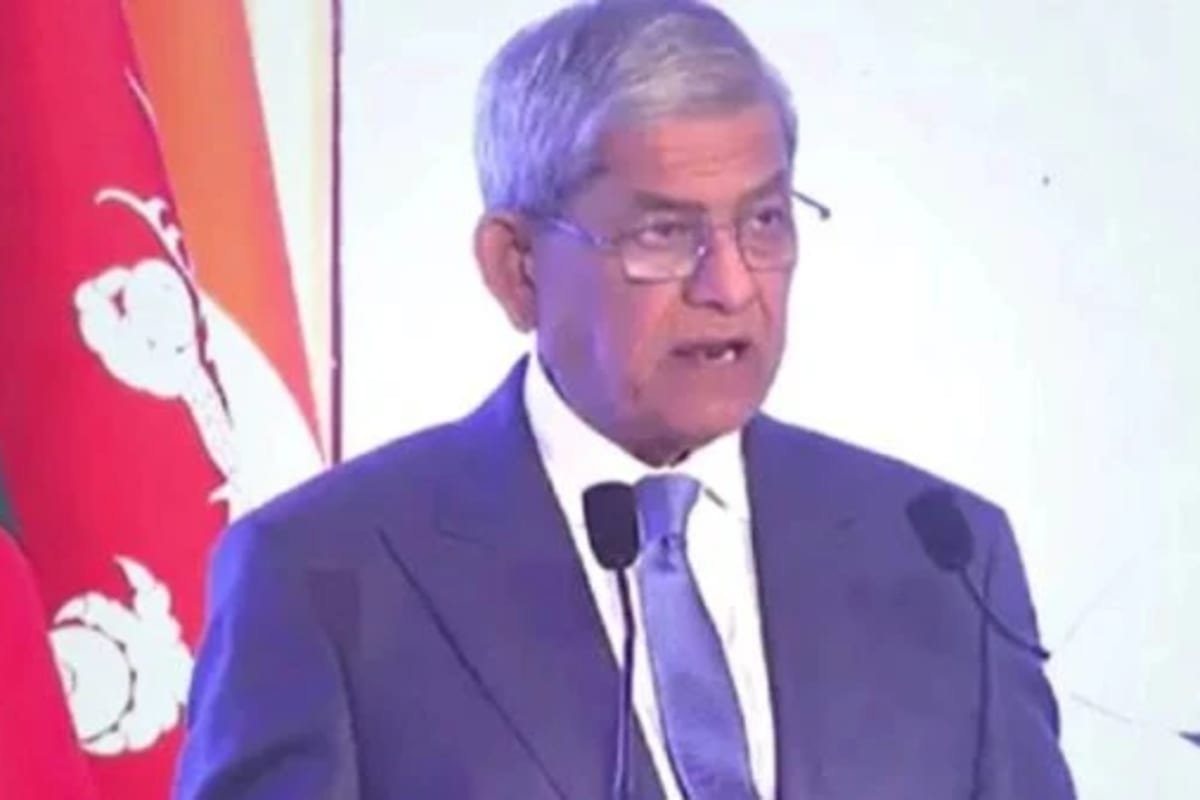
President Mohammed Shahabuddin has revealed that approximately Tk 28 lakh crore was laundered from Bangladesh during the 15-year tenure of the Awami League government between 2009 and 2023. This massive capital flight, which averages nearly $16 billion annually, has been identified as a primary driver of the country’s current economic instability. The revelation highlights the unprecedented financial irregularities that crippled key institutions, including the banking, insurance, and capital market sectors.
According to the 2024 White Paper on the economy, the laundered amount represents roughly 3.5 percent of the nation’s total GDP. This systematic drain of resources severely weakened the country’s financial architecture, leaving the banking sector in a state of crisis. Experts noted that the deliberate dismantling of regulatory oversight created a cycle of corruption that continues to impose a heavy burden on the general public.
Financial Sector Crisis
The scale of the financial mismanagement is further reflected in the alarming rise of non-performing loans. By June 2026, defaulted loans reached Tk 6.07 lakh crore, accounting for nearly one-third of the total credit disbursed. This systemic failure has eroded public trust and hindered the country’s ability to maintain sustainable economic growth.
The government is now implementing stringent measures to prevent further money laundering, curb banking fraud, and recover the siphoned funds. Authorities are prioritizing international standards of transparency and accountability to restore financial stability and attract foreign investment.
Moving forward, the administration aims to restructure the economy by ensuring rigorous oversight of financial institutions. Officials emphasized that regional cooperation, drawing on the vision of collaborative economic growth in South Asia, remains essential to overcoming these deep-seated challenges. The government remains committed to holding those responsible for the financial collapse accountable to ensure long-term economic recovery.
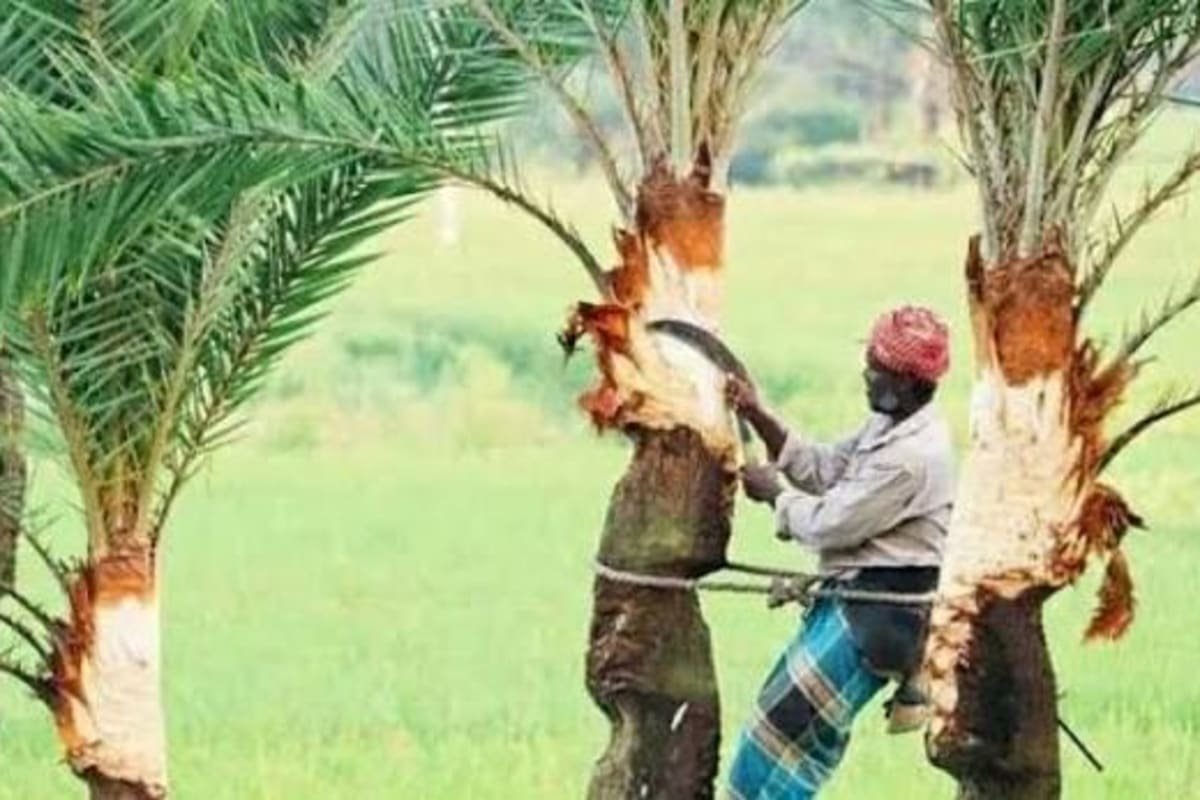
Jashore’s traditional date molasses industry has emerged as a vital economic driver for the district, with farmers targeting a production value exceeding Tk 125 crore this season. As the winter harvest peaks, over 16,000 local farmers are actively engaged in extracting sap from more than 3 lakh date trees to meet the growing demand for this GI-certified product.
Economic Impact and Production
Jashore currently hosts approximately 2.24 million date trees, with 314,908 trees actively tapped for sap production. A workforce of 16,318 farmers and laborers is working toward a production target of 3,150 metric tons of molasses. With the market price averaging Tk 400 per kilogram, the industry is poised to generate a significant economic boost for the rural population.
Challenges Facing the Industry
Despite the economic potential, the profession faces a decline as the younger generation shows little interest in the labor-intensive and hazardous nature of sap collection. Farmers often climb trees using traditional methods without modern safety equipment, exposing them to physical risks. Furthermore, unpredictable weather patterns and a lack of institutional support continue to threaten the sustainability of this centuries-old heritage.
Future Initiatives and Support
Local agricultural authorities have initiated plans to provide special incentives and modern tools to support the traditional sap collectors. Officials have already compiled a list of 300 farmers for immediate assistance, while sustainable agricultural projects are prioritizing female entrepreneurs to improve molasses marketing. These measures aim to modernize the supply chain and ensure the long-term viability of the industry.
Preserving this heritage requires a combination of social security for the farmers and the integration of modern technology, otherwise, this labor-intensive profession risks extinction in the near future.
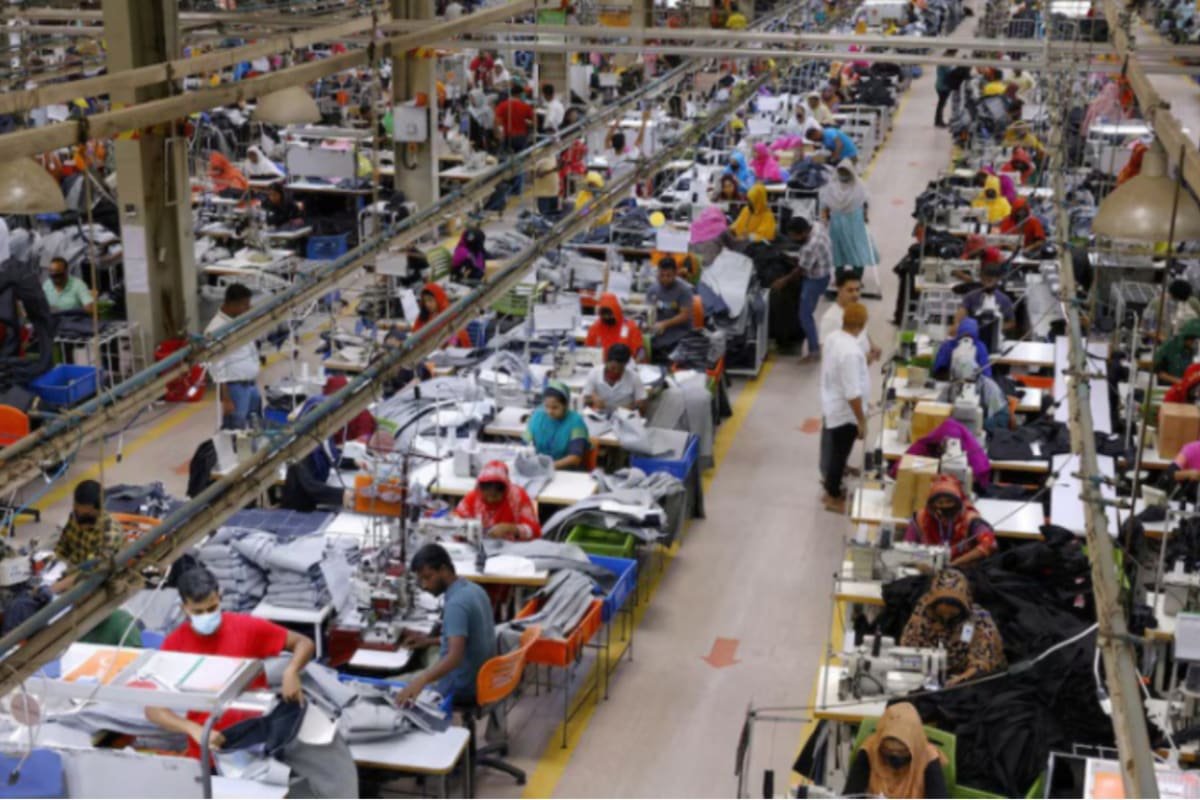
Global fashion giants including Zara and H&M have diverted approximately $400 million in garment orders away from Bangladesh due to persistent labor unrest, production disruptions, and political uncertainty. This shift has significantly benefited India, which has emerged as the primary alternative destination for these major retailers. The loss of these orders poses a severe threat to Bangladesh’s export-oriented economy and the stability of its vital ready-made garment sector.
According to data from Reuters, nearly $254 million in orders were moved from Bangladesh to other countries within the first 18 days of November alone. While India has secured the largest share of these redirected orders, Vietnam, Cambodia, and Indonesia are also gaining traction as reliable manufacturing hubs. This trend highlights a growing concern among international buyers regarding the reliability of the Bangladeshi supply chain.
Factors Driving the Shift
Rising labor costs, energy shortages, and the inability to meet strict delivery deadlines have eroded buyer confidence in the local industry. While Bangladeshi factories typically require 120 days to complete production cycles, competitors in India and Vietnam offer significantly faster turnaround times. This efficiency gap has become a critical disadvantage for Bangladesh in an increasingly competitive global market.
Industry experts warn that the current instability could lead to long-term consequences if buyer trust is not restored immediately. Some factories are currently facing backlogs of 20 to 25 days, further complicating the situation. As a result, Indian textile companies have seen their share prices climb by up to 11 percent, signaling a major expansion in their regional market influence.
“The failure to deliver products on time has made buyers prioritize supply chain reliability over price, creating a dangerous precedent for the future of our garment industry,” an industry analyst noted.
Moving forward, the primary challenge for stakeholders is to ensure political stability and uninterrupted production to prevent temporary order shifts from becoming permanent losses. If the sector fails to address these operational bottlenecks, Bangladesh risks losing its competitive edge in the global apparel market permanently.
Gold prices in the domestic market have reached an unprecedented milestone, surpassing Tk 2 lakh per bhori for the first time following three consecutive price hikes. The Bangladesh Jewellers Association (BAJUS) announced an increase of Tk 2,624, setting the new price for 22-carat gold at Tk 2,01,554 per bhori. This sharp rise has significantly impacted consumer purchasing power and created notable volatility in the local bullion market.
BAJUS attributed the record-breaking surge to ongoing instability in the global market coupled with a supply deficit against rising local demand. This latest adjustment follows a series of price hikes implemented shortly after November 27, further straining the market. Industry experts suggest that the rapid frequency of these changes has left both retailers and consumers struggling to adapt to the new economic reality.
Revised Price Structure
Under the new directive, 21-carat gold will now retail at Tk 1,92,514, while 18-carat gold is priced at Tk 1,65,337 per bhori. Traditional method gold has been set at Tk 1,34,778 per bhori. While the price of silver remains unchanged at Tk 3,033 per bhori, providing a minor relief, the overall cost of precious metals remains at an all-time high for the average buyer.
Consumer Guidelines
The association has mandated that all jewelers across the country strictly adhere to these new rates until further notice. Consumers are advised to remain vigilant against unauthorized charges, such as excessive VAT or additional labor fees beyond the standard rates. BAJUS emphasized that labor charges must be determined based on design, while specific deduction rules for selling or exchanging old jewelry must be enforced consistently.
-

 International2 days ago
Former Defense Contractor Claims Aliens Are Living Among Humans on Earth
-
Crime and Justice2 days ago
Woman killed by nephew over Tk 1,500 dispute in Chhatak
-

 Bangladesh2 days ago
Lohagara begins data collection for family cards amid transparency concerns
-

 Bangladesh2 days ago
PM Tarique Rahman to visit Jashore and Kushtia on December 2
-
 Politics2 days ago
Gopalganj Awami League places 8-point demand including reopening of police stations