
Health
Toxic lead in aluminium cookware poses severe health risks to millions in Bangladesh


Why it matters: Research by icddr,b and Stanford University has revealed that toxic lead is leaching from aluminium pots and pans used in Bangladesh into food, creating a severe risk to children’s brain development.
The big picture: There is no effective system to verify the quality of aluminium cookware available in the local market, nor are there specific national standards for the metals used in their production. The aluminium industry, centered in Chattogram, manufactures these pots by recycling old scrap metal, with no technology or institutional obligation to test for the presence of lead.
Between the lines: The study found that during the first use of new pots, up to 305 micrograms of lead per kilogram of rice and 420 micrograms per kilogram of khichuri were detected—levels many times higher than the safety limits set by the US FDA. Scrubbing with steel wool or using metal spatulas can increase the rate of lead leaching by up to five times.
By the numbers: Lead was detected in food cooked in every single pot tested during the research. According to the World Health Organization, no level of lead in the blood is safe, yet children consuming food cooked in these local pots are ingesting more than five times the lead limit set by the FDA.
What’s next: The BSTI has begun the process of including cookware in the list of essential products to establish safety standards. While the Bangladesh Food Safety Authority and BSTI have announced plans for joint operations to ensure quality, the widespread use of aluminium in daily cooking remains a cause for long-term public health concern.
The bottom line: New or shiny pots do not necessarily mean they are safe; food cooked in these vessels made from scrap metal acts as a silent killer for children. Experts and researchers are emphasizing the immediate need for strict standards and increased public awareness.
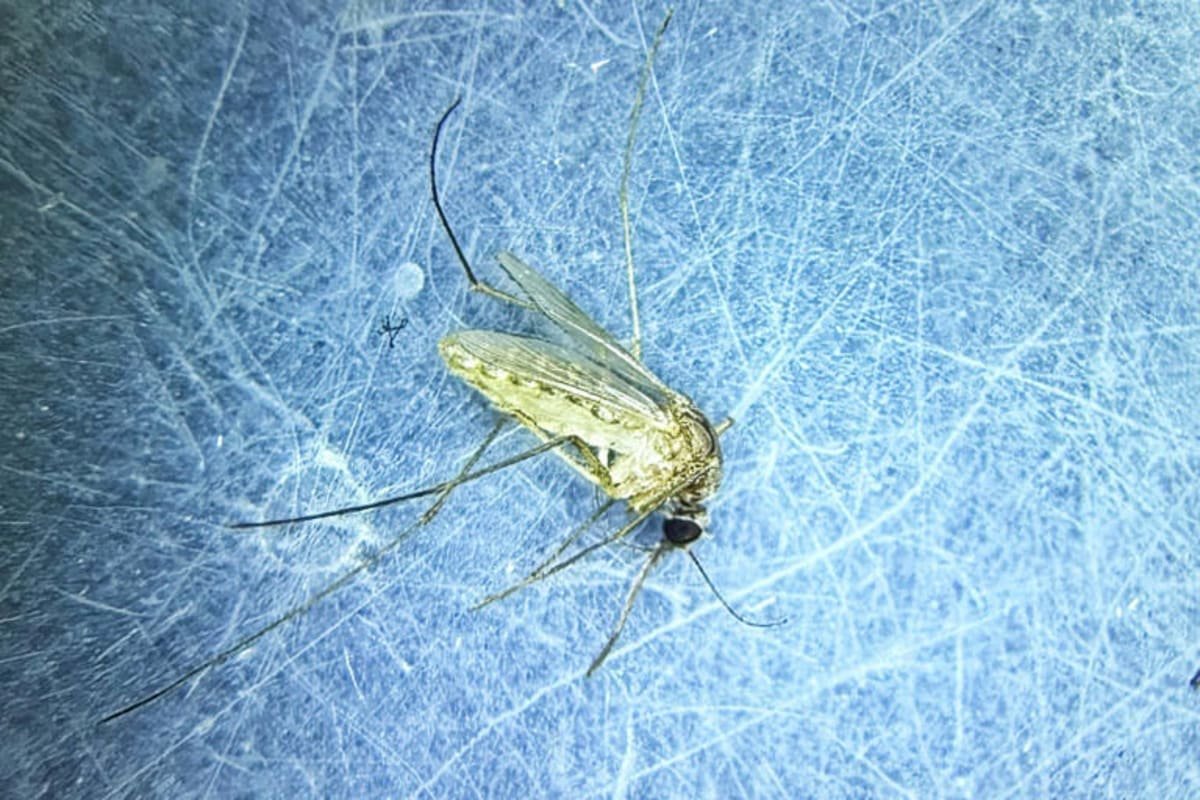
California is grappling with a severe West Nile virus outbreak as infections reach their highest level in over a decade, posing a significant threat to public health. Health officials confirmed 617 cases and 45 deaths across the state this year, marking the second-highest mortality rate in California’s history. The surge has prompted urgent warnings from medical experts as the virus continues to spread rapidly across the region.
Environmental Factors
Unusually high temperatures and increased humidity have created ideal breeding conditions for mosquitoes, accelerating the transmission of the virus. These environmental factors have made it increasingly difficult for local authorities to control the mosquito population. As the climate remains favorable for these insects, the risk of further infections continues to climb throughout the state.
Clinical Impact
While most infections are mild, approximately 1 percent of cases lead to severe neurological complications, including brain inflammation. Victims often experience high fevers reaching 103 degrees Fahrenheit, with some suffering from long-term paralysis. The case of Mandy Buder, who was left paralyzed by the virus, highlights the devastating and life-altering impact this disease can have on individuals.
The West Nile virus is primarily transmitted to humans through mosquitoes that have previously fed on infected birds. Because there is currently no vaccine or specific antiviral treatment available for the virus, medical professionals emphasize that prevention remains the only effective defense against the disease.
Future Outlook
Health experts warn that the virus is no longer confined to tropical regions and has become a lethal concern in developed areas like California. Without a vaccine, officials are urging the public to prioritize personal protection, such as using repellents and eliminating standing water near homes. Authorities are also calling for intensified mosquito control efforts to mitigate the risk of further outbreaks in the coming months.

Excessive hair loss is often more than a cosmetic concern, as it can serve as a critical indicator of underlying health issues that require timely medical attention. Experts have identified a combination of physical stress, mental strain, and nutritional imbalances as the primary drivers behind thinning hair. Understanding these triggers is essential for effective management and long-term hair health.
Hair loss stems from a diverse range of factors, including physical trauma, surgical procedures, pregnancy, and genetic predisposition. Deficiencies in essential nutrients, particularly vitamins A and B, alongside insufficient protein intake, significantly disrupt the natural growth cycle and structural integrity of hair follicles.
Hormonal and Medical Triggers
Hormonal fluctuations, particularly the decline in estrogen and progesterone during menopause, act as major catalysts for hair thinning in women. Furthermore, underlying medical conditions such as hypothyroidism and anemia frequently exacerbate hair loss. Experts suggest that these physiological complications can often be identified through routine blood tests, allowing for targeted medical intervention.
Psychological Impact and Styling Habits
Severe emotional distress, such as the loss of a loved one or the breakdown of a relationship, can accelerate the hair shedding process. Prolonged mental instability disrupts the hair’s natural life cycle, leading to increased breakage. Additionally, excessive reliance on chemical treatments and tight hairstyles weakens the hair roots, prompting specialists to advocate for gentler grooming practices and regular maintenance.
To combat hair loss, maintaining a balanced diet and incorporating iron or vitamin supplements under medical supervision is vital. If shedding appears abnormal, individuals should prioritize thyroid and blood screenings to pinpoint the root cause. Adopting a healthy lifestyle, consuming nutrient-rich foods, and managing stress remain the most effective strategies for preventing hair loss and ensuring long-term scalp health.

A newborn baby died at New Sound Hospital in Lohagara, Chattogram, following allegations of medical negligence and the absence of a doctor during delivery. The infant’s family claims that the attending physician failed to arrive for two hours, forcing nurses to conduct the delivery, which ultimately led to the child’s fatal respiratory distress. The incident has sparked widespread public outrage and demands for accountability regarding the hospital’s management and standard of care.
Sabrina Soltana, the mother, was admitted to the facility with labor pain, but her family reported that Dr. Nusrat Jahan remained absent for nearly two hours. Nurses reportedly handled the delivery without professional supervision. After the newborn developed severe breathing difficulties, the hospital staff advised transferring the infant to another facility. The baby later died while on life support at Pedicare Hospital, triggering intense criticism on social media.
Systemic mismanagement concerns
Beyond this tragic incident, the hospital faces broader allegations of administrative malpractice. Relatives of other patients have accused the facility of holding patients hostage over billing disputes. Reports indicate that even after receiving discharge clearance, patients are allegedly detained for hours, with staff refusing to remove intravenous cannulas until financial demands are met, highlighting a pattern of inhumane treatment and unprofessional conduct.
Local residents have demanded an immediate investigation into the hospital’s operations and strict disciplinary action against those responsible for the negligence. Despite the gravity of the accusations, neither the hospital authorities nor Dr. Nusrat Jahan have issued an official statement regarding the incident. This silence has further fueled public anger and intensified calls for administrative oversight to prevent future medical failures.
-

 Economy14 hours ago
Jashore’s Date Molasses Industry Targets Tk 125 Crore Revenue This Season
-

 Crime and Justice2 days ago
Chinese national arrested for raping 15 women after luring them via TikTok
-

 Crime and Justice2 days ago
Petrol bombs hurled at Grameen Bank branch in Barishal
-

 Crime and Justice17 hours ago
Police Detain 37 Women for Pickpocketing at Azhari’s Mahfil in Rajshahi
-

 Crime and Justice2 days ago
Elder brother murdered by younger sibling over land dispute in Joypurhat