
Bangladesh
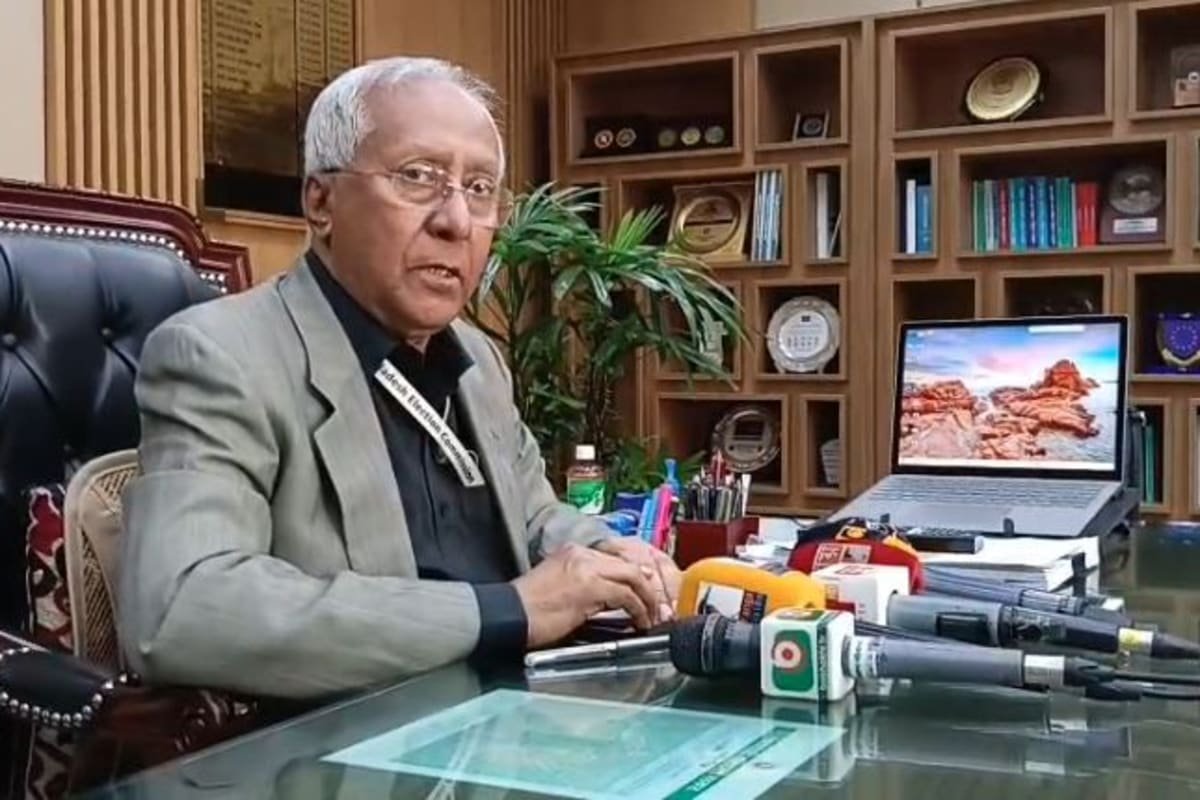
Five-phase Union Parishad elections to begin from 21 January

Why it matters: The Union Parishad is the grassroots level of the local government system, and it is a constitutional and legal obligation to elect new representatives as the terms of approximately 4,300 UPs have expired.
The big picture: The Election Commission (EC) has finalized the schedule for the UP elections in five phases starting from 21 January, which will continue until 27 May 2027. Voting for approximately 1,000 UPs will take place in the first phase, with the remaining phases to be completed sequentially.
Between the lines: The election dates have been set with special consideration for the month of Ramadan and the SSC examination schedule, ensuring that students’ studies and religious observances are not disrupted. Verification of information for coastal area weather conditions and unions stuck due to legal complexities or lawsuits is also proceeding in parallel.
What’s next: The final list for the first and second phases of the election will be published by Thursday of this week. Preparatory work for election materials, including printing ballot papers in coordination with the BG Press and the Security Printing Press, is progressing rapidly.
The bottom line: The commission’s main goal is to complete elections in expired unions as per the law. Decisions regarding unions facing complications due to lawsuits will also be made promptly based on final court rulings.
By the numbers: The first phase will cover approximately 1,000 UPs, with the second phase on 4 February, the third on 29 April, the fourth on 13 May, and the fifth on 27 May. The Election Commission has undertaken this massive task as the terms of a total of 4,300 Union Parishads have expired.
Details of preparation: The Election Commission stated that there is no need to purchase new election equipment, but arrangements have been made to replace damaged items. Preparations for printing three types of ballot papers for the positions of chairman, general member, and reserved female member have also been completed. It has been decided to hold elections simultaneously in all Union Parishads of an upazila if their terms expire at the same time, which will help reduce administrative complexity. EC Secretary Akhtar Ahmed stated that the commission has taken all necessary preparations to ensure the election is fair and participatory.

Why it matters: The production of adulterated fish feed by mixing toxic tannery waste in Trishal, Mymensingh, has created a major threat to public health, which is a serious offense under the Fish and Animal Feed Act.
The big picture: Based on secret information from the National Security Intelligence (NSI), a mobile court conducted a raid in the Boropukur Par area of Bailor Union in Trishal on Sunday. During the operation, three establishments, including Messers Sujan Traders, were fined a total of 55,000 taka.
Between the lines: Rina Akter, the owner of Messers Sujan Traders, was producing fish feed using tannery waste without authorization. According to fisheries officials, if this feed enters the human body through fish, it poses a risk of various complex and fatal diseases, including cancer.
What’s next: The mobile court has ordered the accused establishment to remain closed for the time being, and samples of the seized ingredients have been sent to a laboratory. A final decision regarding the future operations of the establishment will be made based on the lab report and the explanation provided by the owner.
The bottom line: Messers Latif Traders and Bongo Trading Corporation were also fined for operating businesses without licenses in violation of the law. This strict stance by the administration has instilled fear among adulterated food producers, and there have been demands to continue regular monitoring to ensure public safety.
Background: The operation was led by Trishal Upazila Assistant Commissioner (Land) Mohammad Mojahidul Islam. The Upazila Livestock Officer and the Senior Fisheries Officer were present during the drive to provide technical assistance. Action has been taken against the accused under Section 20 of the Fish and Animal Feed Act, 2010. Local conscious citizens believe that, considering public health, it is necessary to take strict legal action against such dishonest businessmen rather than just imposing fines. An investigation is ongoing to trace the source of the raw materials and ingredients used by the fish feed production facility.
People and Culture
National women’s boat race in Narail celebrates rural heritage and festive spirit

Female rowers from 16 teams have breathed new life into the lost traditions of rural Bengal by participating in the National Women’s Boat Race held on the Afra River in Narail.
Why it matters: This event serves as a significant milestone in promoting the culture and rural tourism of riverine Bangladesh on the global stage, while also encouraging women’s empowerment and participation.
The big picture: The competition took place on Saturday afternoon on the Afra River in Shekhahati Union of Narail Sadar Upazila, where thousands of people gathered on both banks of the river to enjoy the festivities. Organized by the Bangladesh Tourism Corporation, the spontaneous participation of local women in this competition was remarkable.
Between the lines: The primary objective of this event is not merely entertainment, but to showcase the rural beauty and heritage of Bangladesh to domestic and international tourists. The presence of the Prime Minister’s Special Assistant on Health, Dr. S. M. Ziauddin Haider, along with the local Member of Parliament and top administrative officials, further underscored the importance of the event.
What’s next: The team led by Mukta Adhikari from Guakhola village secured first place, while the teams led by Babita Sarkar and Rina Biswas secured second and third places, respectively. Organizers stated that such competitions will help develop the local tourism industry and there are plans to expand its scope in the future.
The bottom line: The participation of women in the traditional boat race of rural Bengal has proven that women are now leading from the front in preserving rural sports and culture. The event concluded in a festive atmosphere with the distribution of prizes among the winners, creating a new sense of enthusiasm in the local life of Narail.
By the numbers: A total of 16 boats with female rowers participated in the competition, having demonstrated their skills through long periods of hard work and practice. Thousands of people gathered on both banks of the river for the afternoon event, which is expected to play a positive role in boosting the local rural economy.
Crime and Justice
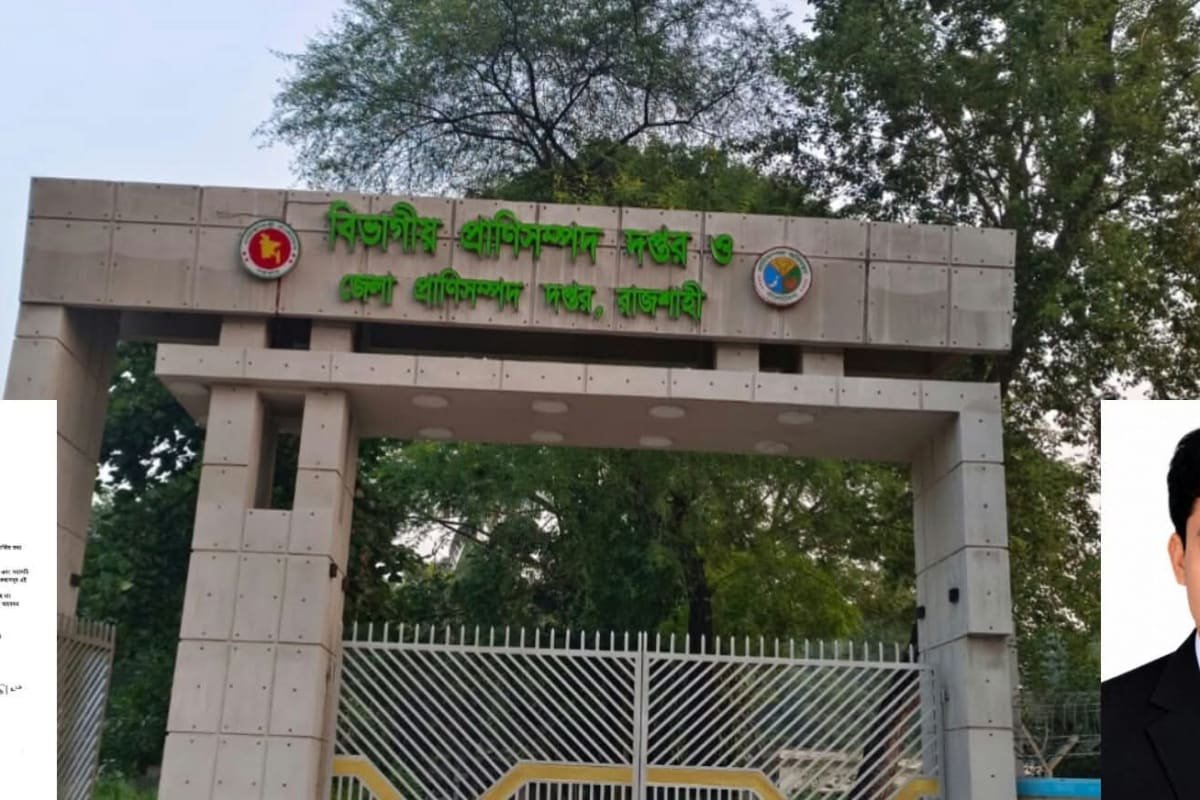
Corruption and information suppression allegations against Rajshahi District Livestock Officer
HEADLINE: Corruption and information suppression allegations against Rajshahi District Livestock Officer
Rajshahi District Livestock Officer Dr. Md. Atowar Rahman is facing serious allegations of violating the Right to Information Act, misappropriating project funds, and engaging in widespread bribery.
Why it matters: Despite the legal obligation to ensure transparency in government offices, Dr. Atowar Rahman has strategically rejected applications to cover up his irregularities and corruption. This incident has raised significant questions regarding the transparency and accountability of public services.
The big picture: Allegations have surfaced regarding fraud in the distribution of equipment and feed allocated to farmers under the LDDP project, as well as the misappropriation of government funds through the creation of fake beneficiary lists. Furthermore, he is accused of amassing illegal wealth through license issuance, transfer trading, and the creation of fraudulent bills for procurement.
Between the lines: When information was requested under the Right to Information Act, District Officer Dr. Atowar Rahman failed to provide it and instead harassed the applicant. He claimed that the information was not available in his office, which legal experts describe as a clear violation of the Right to Information Act and an attempt to conceal evidence of corruption.
What’s next: Local farmers and civil society have demanded strict intervention from the Anti-Corruption Commission (ACC) and the Ministry of Fisheries and Livestock against this corruption. Legal action against Dr. Atowar Rahman through an impartial investigation is now a demand of the time.
The bottom line: Dr. Atowar Rahman not only refused to provide information but also behaved arrogantly and issued threats to investigative journalists. While the divisional director attempted to evade responsibility by claiming the matter is controlled from Dhaka, an investigation into the widespread irregularities at the field level has become inevitable.
By the numbers: Although there were allocations of millions of taka under the LDDP project in Rajshahi district, investigations have revealed that actual farmers have been deprived of government incentives.
-

 EDUCATION16 hours ago
Education Minister announces new pay scale and end to discrimination for MPO-listed teachers
-
 Health15 hours ago
Rangamati General Hospital superintendent inspects dengue patient care services
-

 International1 day ago
Gadi Eisenkot tasked with forming government, ousting Benjamin Netanyahu
-

 International2 days ago
Seven Bangladeshis from Chakaria killed in tragic road accident in Saudi Arabia
-

 People and Culture16 hours ago
National women’s boat race in Narail celebrates rural heritage and festive spirit