
Health
Newborn dies at Lohagara hospital amid allegations of medical negligence


A newborn baby died at New Sound Hospital in Lohagara, Chattogram, following allegations of medical negligence and the absence of a doctor during delivery. The infant’s family claims that the attending physician failed to arrive for two hours, forcing nurses to conduct the delivery, which ultimately led to the child’s fatal respiratory distress. The incident has sparked widespread public outrage and demands for accountability regarding the hospital’s management and standard of care.
Sabrina Soltana, the mother, was admitted to the facility with labor pain, but her family reported that Dr. Nusrat Jahan remained absent for nearly two hours. Nurses reportedly handled the delivery without professional supervision. After the newborn developed severe breathing difficulties, the hospital staff advised transferring the infant to another facility. The baby later died while on life support at Pedicare Hospital, triggering intense criticism on social media.
Systemic mismanagement concerns
Beyond this tragic incident, the hospital faces broader allegations of administrative malpractice. Relatives of other patients have accused the facility of holding patients hostage over billing disputes. Reports indicate that even after receiving discharge clearance, patients are allegedly detained for hours, with staff refusing to remove intravenous cannulas until financial demands are met, highlighting a pattern of inhumane treatment and unprofessional conduct.
Local residents have demanded an immediate investigation into the hospital’s operations and strict disciplinary action against those responsible for the negligence. Despite the gravity of the accusations, neither the hospital authorities nor Dr. Nusrat Jahan have issued an official statement regarding the incident. This silence has further fueled public anger and intensified calls for administrative oversight to prevent future medical failures.

The government has initiated a massive recruitment drive to hire 100,000 health workers to bring preventive healthcare services to the doorsteps of marginalized communities across the country. Women will comprise 80 percent of this new workforce, marking a significant shift in rural health infrastructure. This strategic move aims to address long-standing neglect in the sector and combat preventable diseases affecting millions in over 90,000 villages.
Ziaur Rahman Foundation Vice President Dr. Zubaida Rahman highlighted that the initiative focuses on proactive disease prevention rather than reactive treatment. She noted that the new personnel will be deployed at the grassroots level to implement health awareness programs and preventive measures. This deployment is expected to bridge the gap between urban medical facilities and rural populations who have historically lacked access to basic health services.
Dr. Zubaida Rahman said, “To ensure the benefits of healthcare reach the common people, we need more than just recruitment; we require deep research, regular testing, and the building of public trust.”
Addressing the 12th anniversary celebration of the Institute for Developing Science and Health Initiatives (ideSHi), experts emphasized that structural changes are essential for long-term public health stability. The event featured extensive discussions on vaccines, women’s health, and infectious disease management. Research institutions like ideSHi will continue to provide technical and scientific support to ensure the effectiveness of these new health workers.
Dr. Zubaida Rahman further encouraged young scientists to remain persistent in their research efforts, noting that their findings are vital for improving the quality of life for the general public. These newly recruited workers will serve as the primary link between scientific advancements and rural health practices. The government expects this initiative to fundamentally transform the healthcare landscape in rural Bangladesh.
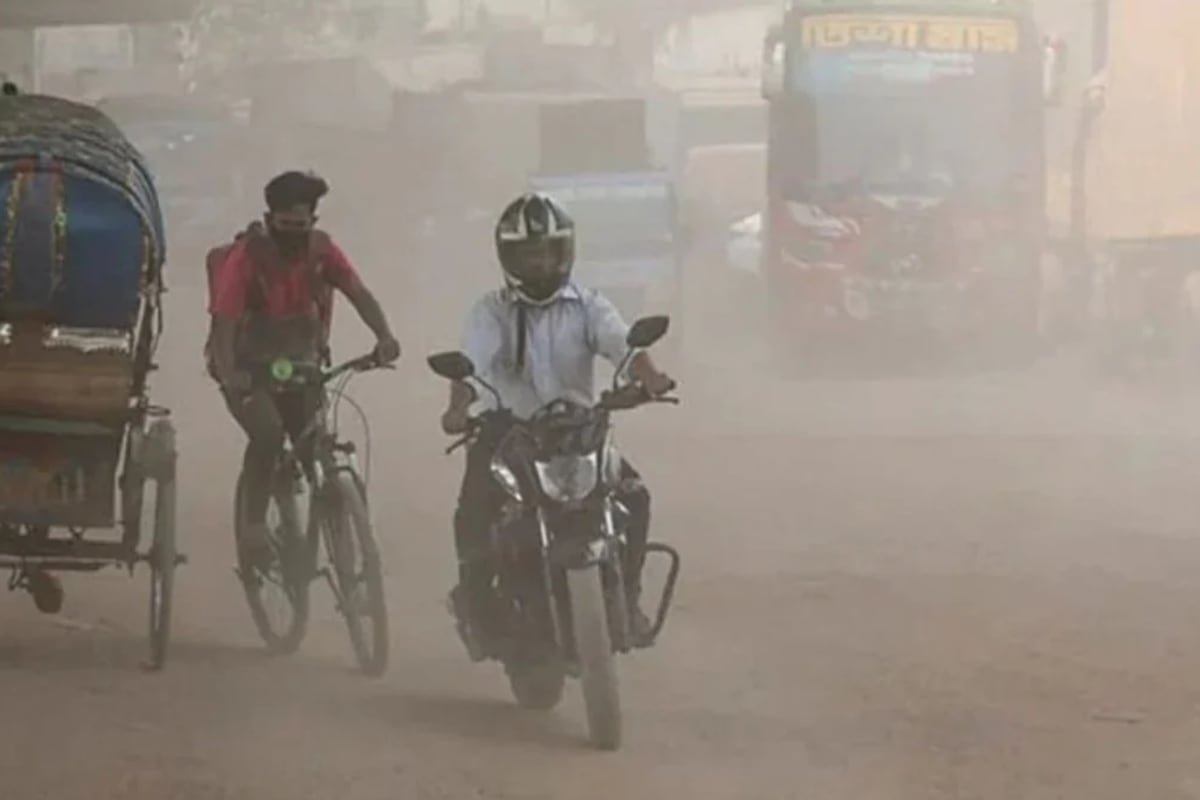
Dhaka recorded an air quality index (AQI) score of 194 on Saturday morning, placing it as the fourth most polluted city in the world. This level of pollution is classified as unhealthy, posing significant risks to the respiratory health of city residents. The deteriorating air quality highlights an urgent environmental crisis as the capital struggles with hazardous atmospheric conditions.
According to data from the Swiss-based air quality monitoring organization IQAir, New Delhi currently tops the list of the world’s most polluted cities. Lahore and Kolkata follow in second and third positions, respectively, recording higher pollution levels than Dhaka. This ranking reflects a broader regional trend of declining air quality across South Asian urban centers.
Health implications of poor air quality
IQAir standards categorize an AQI score between 151 and 200 as unhealthy, meaning the current reading of 194 sits at the upper end of this threshold. Experts warn that breathing such air is dangerous for the general population, particularly for children, the elderly, and those with pre-existing respiratory conditions. Prolonged exposure to these pollutants can lead to severe long-term health complications.
Beijing and Cairo currently occupy the fifth and sixth spots on the list with scores of 165 and 161, respectively. While an AQI score between zero and 50 is considered good, Dhaka’s current reading remains significantly higher than safe limits. The persistent rise in pollution levels serves as a stark indicator of the city’s ongoing environmental degradation.
As winter approaches, meteorologists and environmentalists fear that air quality in Dhaka may deteriorate further due to seasonal changes. Without immediate and effective government intervention to curb industrial emissions and dust pollution, the situation could escalate into a public health emergency. Authorities are urged to implement stricter environmental regulations to protect the city’s vulnerable population.
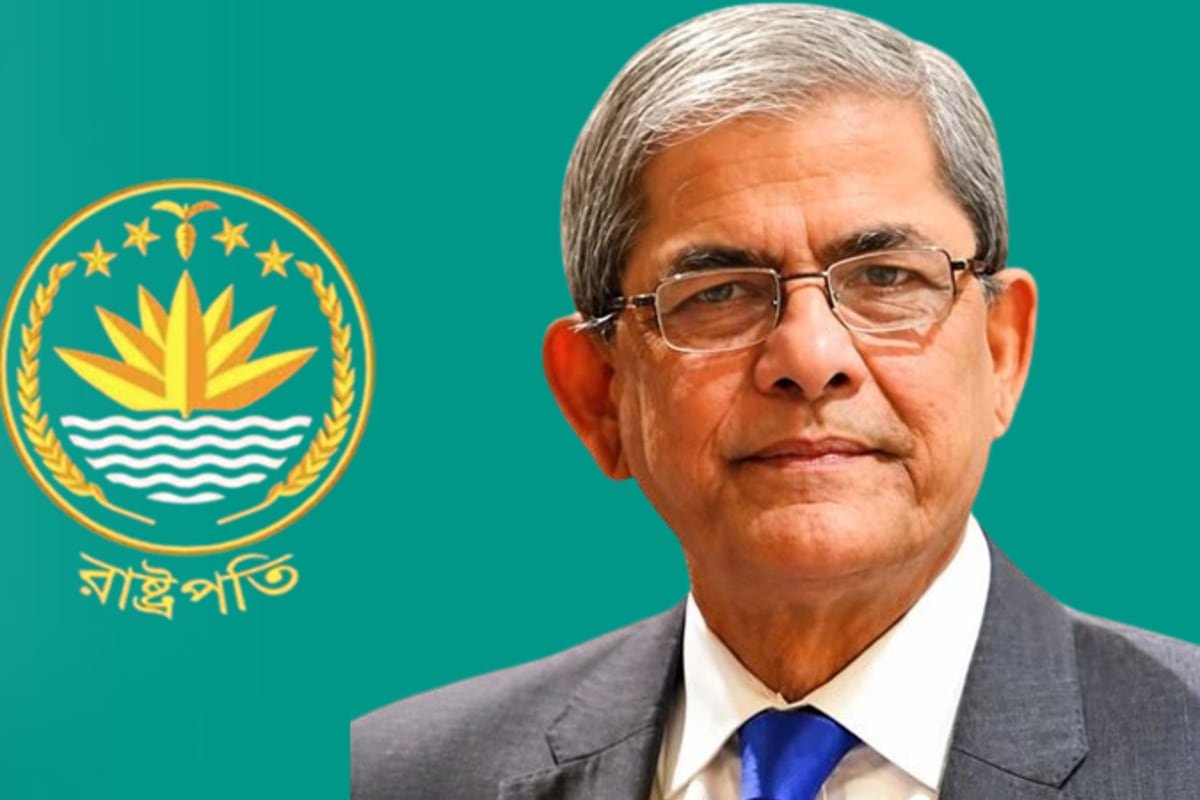
On the occasion of World Diabetes Day, President Mohammed Shahabuddin has urged the nation to raise awareness and undergo regular health screenings to prevent diabetes and build a healthier society. He emphasized that adopting a disciplined lifestyle is essential to curbing the rising prevalence of the disease across the country.
Rapid urbanization and sedentary lifestyles have significantly contributed to the surge in diabetes cases in Bangladesh. The President noted that diabetes is a chronic condition which, if left unmanaged, can lead to severe complications including heart attacks, strokes, kidney failure, and even limb amputation.
Addressing the national crisis
Changing dietary habits and a lack of physical activity have emerged as the primary catalysts for the spread of the disease. According to the President, diabetes is no longer just a personal health issue but a national crisis that requires a collective effort from both society and the state to mitigate effectively.
Bangladesh Diabetic Association, alongside media outlets and social organizations, must play a more proactive role in fostering public awareness. The President stressed that taking immediate action to control diabetes is vital for nurturing a productive and healthy future generation.
President Mohammed Shahabuddin said, “If diabetes is well-controlled, an individual can lead a normal and productive life. The key to staying healthy lies in understanding the risks associated with the disease and following a proper lifestyle.”
Uncontrolled diabetes significantly increases the risk of cardiovascular disease, blindness, nerve damage, and vascular complications. Regular blood glucose monitoring and increased public awareness remain the most effective strategies for managing the condition and preventing long-term health deterioration.
-

 Crime and Justice2 days ago
Garment Workers Clash with Security Forces in Mirpur
-

 Politics1 day ago
BNP Stages Massive Protest Rally in Abhaynagar Against Awami League
-

 Crime and Justice1 day ago
4 Killed in Nationwide Violence as Security Tightens Across Bangladesh
-

 Crime and Justice1 day ago
Actress Jyotika Jyoti detained from Uttara, taken to DB office
-

 Politics1 day ago
BNP and Chhatra Dal stage protest against Awami League in Jashore