
International
Trump, Xi, and Putin Agree on Global Peace and Nuclear Disarmament


In a historic diplomatic breakthrough, the leaders of the United States, China, and Russia convened in Shenzhen to adopt a joint peace declaration aimed at ensuring global stability and reducing nuclear risks. The unprecedented trilateral meeting, held on the sidelines of the APEC summit, marks the first time the heads of the world’s three largest nuclear powers have committed to a unified framework for international security.
The closed-door session at Kailin Villa lasted approximately 90 minutes and focused on de-escalating geopolitical tensions. US President Donald Trump described the event as a moment of historic significance, while Chinese President Xi Jinping emphasized the collective responsibility of the three nations in maintaining world peace. Russian President Vladimir Putin addressed shared concerns regarding food and energy security amidst ongoing regional conflicts.
Key Pillars of the Declaration
The joint declaration calls for significant reforms within the United Nations and addresses the stability of global petroleum supplies. The leaders also issued a cautionary note regarding the jurisdiction of the International Criminal Court, urging the body to avoid the misuse of its authority. Furthermore, the nations reaffirmed the principle that a nuclear war cannot be won and must never be fought, pledging to maintain open channels for dialogue.
US President Donald Trump said, “This is a moment of history in the making.”
This meeting marks a notable shift in global diplomacy, particularly as it follows a two-decade gap in direct high-level engagement between the US and Russian leadership. The discussions prioritized the reduction of nuclear arsenals and the mitigation of existential risks. While the commitment to regular dialogue is a positive step, the international community remains cautious about the practical implementation of these promises regarding the conflicts in Ukraine and Iran.
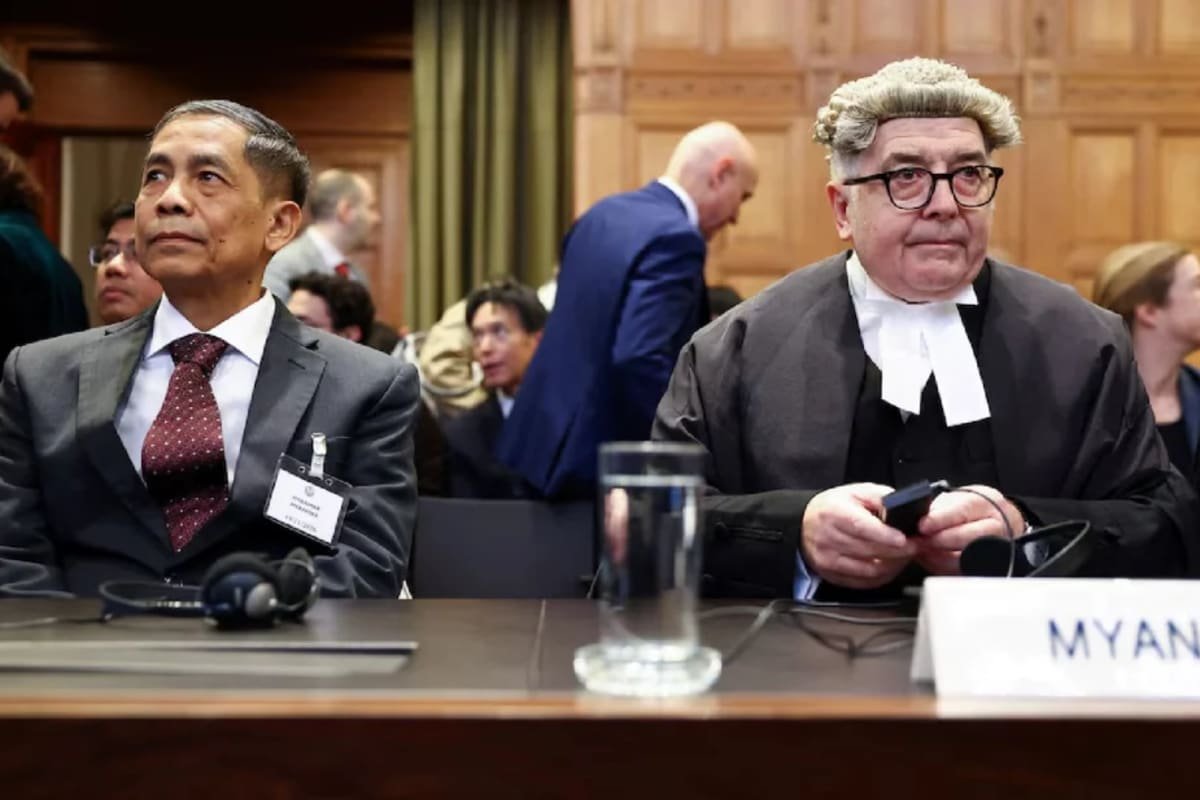
The International Court of Justice (ICJ) has delivered a landmark ruling, officially declaring that Myanmar committed genocide against the Rohingya population during military operations in Rakhine State in 2017. This historic verdict marks a significant milestone in international law, formally recognizing the atrocities perpetrated by the Myanmar military as a systematic attempt to destroy the ethnic group in violation of the Genocide Convention.
ICJ President Yuji Iwasawa reported that Myanmar forces killed approximately 10,000 Rohingya during the campaign. The court determined that the primary objective of these operations was the destruction of the Rohingya community, which constitutes a direct breach of the Convention on the Prevention and Punishment of the Crime of Genocide.
Evidence of Systematic Atrocities
While Myanmar authorities consistently claimed the military operations were defensive measures against insurgent attacks, the court rejected this defense. The judges observed that soldiers engaged in widespread sexual violence, the torture of children, and the systematic burning of villages. These findings confirm that the state-sponsored campaign was a pre-planned effort to commit crimes against humanity.
The court’s ruling serves as a definitive legal condemnation of the state-sponsored violence, mandating that Myanmar must now initiate investigations and hold perpetrators accountable for their actions.
Legal Obligations and Future Implications
The court ordered Myanmar to take immediate, effective measures to ensure the safe, voluntary, and dignified repatriation of displaced Rohingya to their homes. Additionally, the ruling mandates that the state provide appropriate reparations to the affected Rohingya victims. Although the ICJ lacks an enforcement mechanism, the verdict significantly increases diplomatic and moral pressure on the Myanmar government.
During the proceedings, nine judges voted in favor of the genocide ruling, while six judges dissented. Myanmar’s representative, Ko Ko Hlaing, had argued that the military actions were necessary to suppress terrorism. However, the court’s final decision underscores that the international community now views these actions as state-sanctioned crimes, setting a critical precedent for future accountability.
The International Court of Justice (ICJ) has delivered a historic final ruling formally recognizing the brutal genocide perpetrated by the Myanmar military against the Rohingya in 2017. This landmark decision establishes a powerful precedent for global accountability regarding human rights violations and provides long-awaited justice for the victims of state-sponsored atrocities. The verdict officially confirms the systemic suffering endured by the Rohingya population under the Myanmar junta.
Human Rights Watch (HRW) hailed the ruling as a significant milestone in the pursuit of justice for the displaced community. Senior international justice counsel Maria Elena Vignoli stated, “This historic decision will serve as a beacon of hope for victims of genocide and grave crimes across the globe.”
The ICJ ruling significantly intensifies the diplomatic and legal pressure on the Myanmar junta, which has long ignored international mandates. HRW emphasized that Myanmar now faces no alternative but to comply with the court’s directives and immediately cease all ongoing persecution of the Rohingya people.
Path to Accountability
The international community must now exert rigorous pressure on the military junta to ensure the enforcement of this judicial mandate. Global leaders are urged to coordinate efforts to facilitate the safe, dignified, and voluntary repatriation of Rohingya refugees to their homeland.
This ICJ ruling functions as a vital legal instrument to ensure the accountability of the Myanmar military regime. The success of this pursuit for justice now largely depends on the collective political will of the international community to uphold the court’s findings.
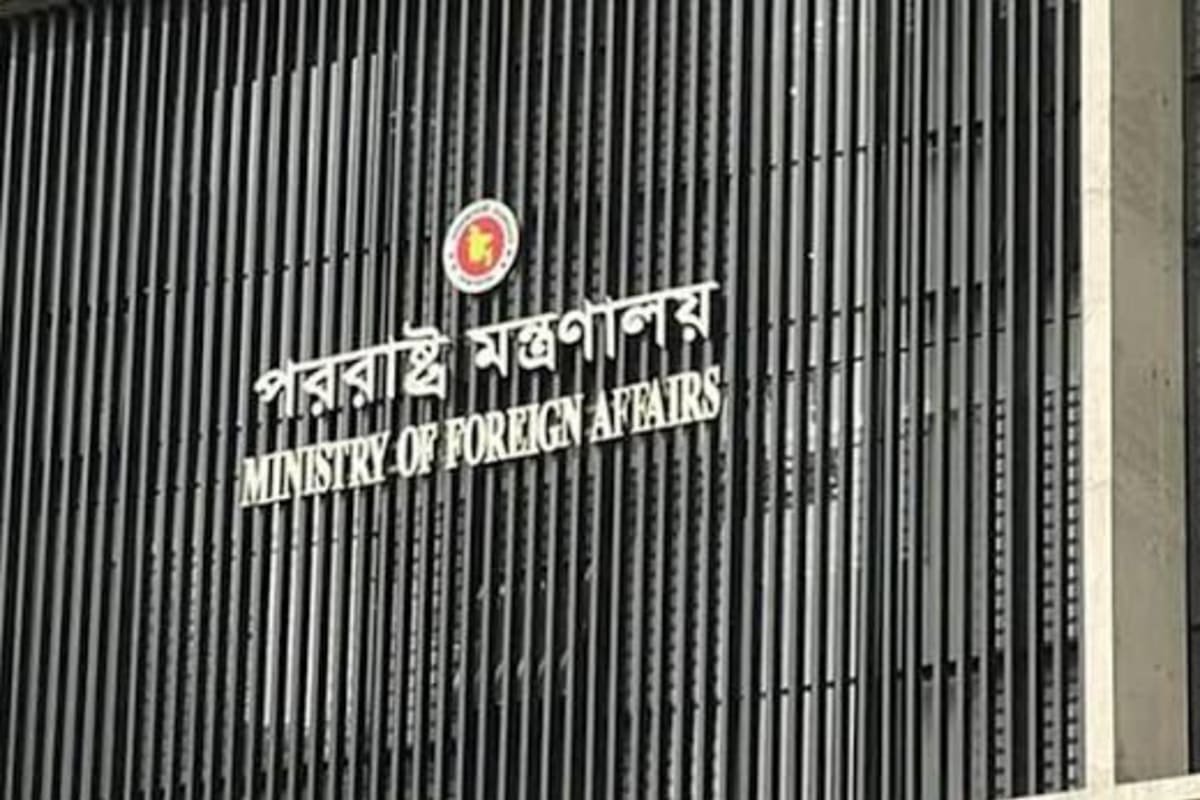
Representatives from the United States, United Kingdom, India, the European Union, and China held a series of urgent meetings at the Ministry of Foreign Affairs in Dhaka on Thursday. These high-level discussions took place just hours before the International Court of Justice (ICJ) is set to deliver its historic verdict on the Rohingya genocide case against Myanmar. The diplomatic activity highlights the growing international focus on the potential geopolitical shifts and the future of Rohingya repatriation following the court’s ruling.
The ICJ, based in The Hague, scheduled the announcement of the final verdict for 10:00 AM local time on Thursday. The case, originally filed by The Gambia in 2019, carries significant weight as the court’s decision is final and binding with no provision for appeal. This ruling is expected to serve as a critical turning point for both the pursuit of justice for the Rohingya people and the ongoing repatriation efforts.
Diplomatic maneuvering behind the scenes
While US Ambassador Brent Christensen described the meetings as routine courtesy calls, analysts suggest that major powers are actively clarifying their positions on regional stability and the post-verdict landscape. British High Commissioner Sarah Cooke acknowledged that the discussions specifically addressed the Rohingya crisis. This indicates that Western nations may be preparing to take a more assertive role in ensuring the implementation of the court’s directives.
The verdict is expected to pave the way for justice for the Rohingya while exerting significant influence on the geopolitical dynamics of South Asia.
The international community is now closely watching whether the ICJ ruling will successfully increase pressure on the Myanmar military junta. For Bangladesh, the challenge lies in leveraging this legal outcome to accelerate the safe and dignified return of refugees. The effectiveness of the government’s diplomatic strategy in the coming days will determine how the country navigates the aftermath of this landmark judicial decision.
-
 Crime and Justice1 day ago
Violent Mob Attacks Police Station and Lawmaker’s Residence in Gopalganj
-
 Crime and Justice9 hours ago
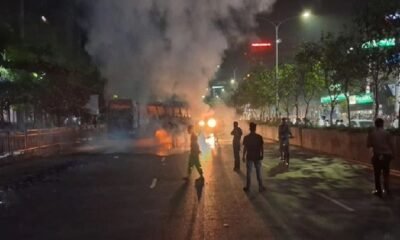
4 Killed in Nationwide Violence as Security Tightens Across Bangladesh
-

 Crime and Justice1 day ago
Garment Workers Clash with Security Forces in Mirpur
-

 Crime and Justice6 hours ago
Thieves target Lohagara primary school again, steal electrical equipment and tin sheets
-

 International1 day ago
Military Plane Crashes in Siberia, Killing All 17 Onboard