
Economy
Garment Sector Crisis: Wage Disputes and Factory Closures Threaten Exports

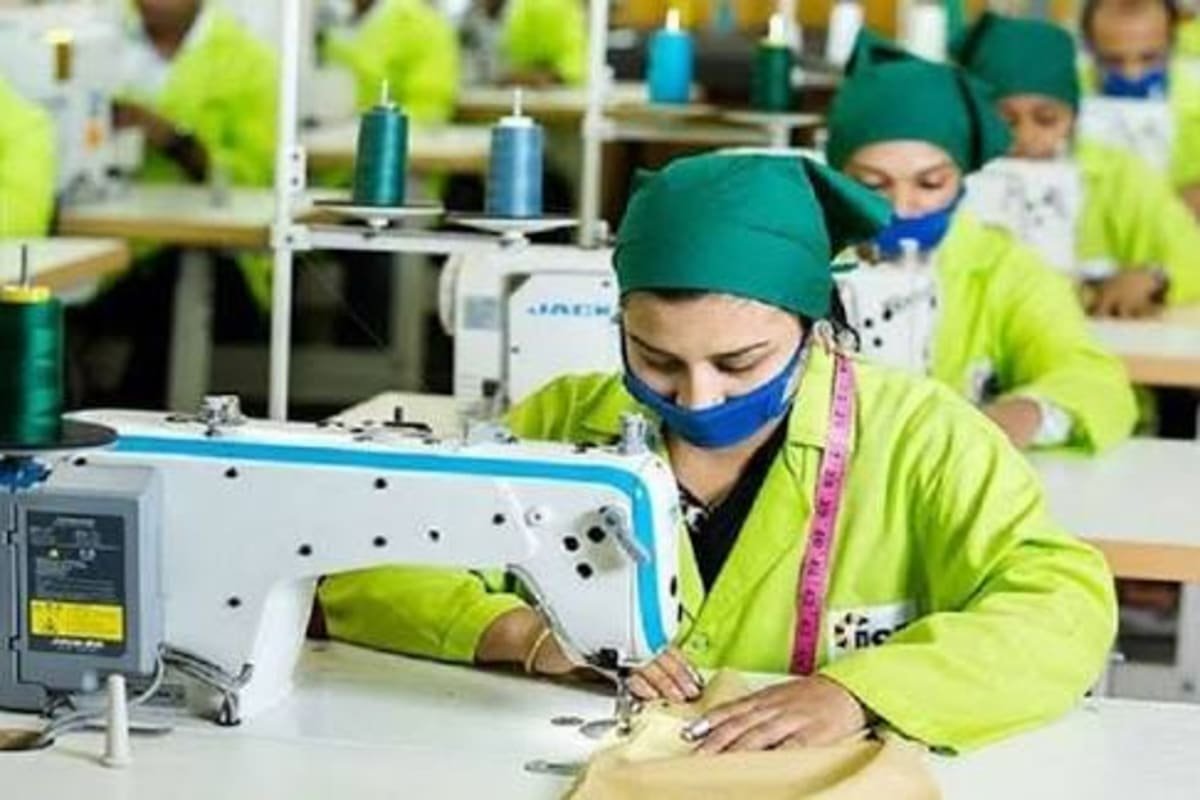
Ongoing labor unrest and widespread factory closures have pushed Bangladesh’s primary export sector into a severe crisis, threatening the nation’s economic stability. Workers in Ashulia, Savar, and Gazipur are protesting for higher wages and improved safety, leading factory owners to suspend operations indefinitely amid claims of external agitation. The standoff between workers, owners, and the government has created a complex impasse that risks long-term damage to the country’s global market reputation.
Industrial zones in Ashulia, Savar, and Gazipur remain volatile as hundreds of factories have shuttered operations. Factory owners allege that the unrest is being fueled by external agitators rather than internal labor grievances, and they have expressed frustration over a lack of adequate administrative protection. This disruption has halted production lines, leaving the industry vulnerable to significant financial losses and potential order cancellations.
Root Causes of Unrest
Laborers are demanding a minimum wage of 32,000 taka, a figure that factory owners have dismissed as unreasonable and unsustainable. The repeated postponement of wage board meetings has deepened worker distrust, fueling suspicions that the government and owners are intentionally delaying the process. This communication gap has exacerbated tensions, making the sector increasingly susceptible to further instability.
Economic Impact
Industry insiders report that a 15-day factory closure results in direct production losses of approximately 200 million taka. Beyond immediate financial hits, manufacturers face the risk of losing international buyers due to missed deadlines. Many owners are now forced to offer heavy discounts or incur the high costs of air-freighting goods to meet seasonal demands, further straining their operational viability.
Economists warn that without a swift and mutually acceptable wage structure, the cycle of political agitation and labor unrest will remain difficult to break.
Government officials have suggested that the unrest is being stoked by political elements linked to the previous administration. Meanwhile, both workers and owners are looking toward next week’s scheduled meetings, where a final wage proposal is expected to be discussed. Experts emphasize that a transparent and rapid resolution is essential to prevent permanent damage to Bangladesh’s competitive edge in the global apparel market.
Bangladesh’s banking sector stands on the brink of insolvency following years of systemic looting and corruption during the tenure of former Prime Minister Sheikh Hasina. The crisis has severely compromised the nation’s economic stability, leaving the financial system in a state of extreme fragility. According to a recent report by The Economist, the sector is now struggling with record-high non-performing loans and a critical depletion of capital reserves.
Data from the report indicates that non-performing loans (NPLs) have surged to approximately 33 percent of total credit, a figure significantly higher than those of neighboring India or Pakistan. Furthermore, the capital-to-risk-weighted assets ratio has plummeted to negative 3.8 percent, underscoring the severe erosion of the sector’s financial health. These indicators reflect a systemic collapse that threatens the broader national economy.
Political Influence and Asset Stripping
The crisis stems largely from the takeover of major financial institutions by oligarchs closely aligned with the former Awami League government. These entities systematically siphoned off vast sums of money, particularly through institutions like Islami Bank, where industrial groups such as S. Alam exerted undue influence. Consequently, ordinary depositors are now facing significant hurdles in withdrawing their savings as liquidity dries up across the sector.
Economic growth has slowed to 3.7 percent, less than half of the average recorded over the past 15 years. Simultaneously, private sector credit growth has hit a 33-year low of 4.5 percent. These figures highlight the stagnation caused by the legacy of institutional decay and the misappropriation of public funds under the previous administration.
Challenges for the Interim Government
While the interim government has pledged to implement structural reforms and clean up the financial ledgers, the path to recovery remains fraught with difficulty. Persistent high inflation and a significant shortfall in revenue collection have severely limited the state’s capacity to intervene. Without substantial foreign assistance, the recapitalization of banks and the restoration of economic momentum present a formidable challenge for the current leadership.
The nation is now confronting the negative consequences of the ‘Bangladesh Paradox,’ where decades of economic progress are being undone by political instability and institutional weakness. Unless the government can effectively address these deep-rooted issues, the country faces the risk of long-term poverty and sustained economic decline.
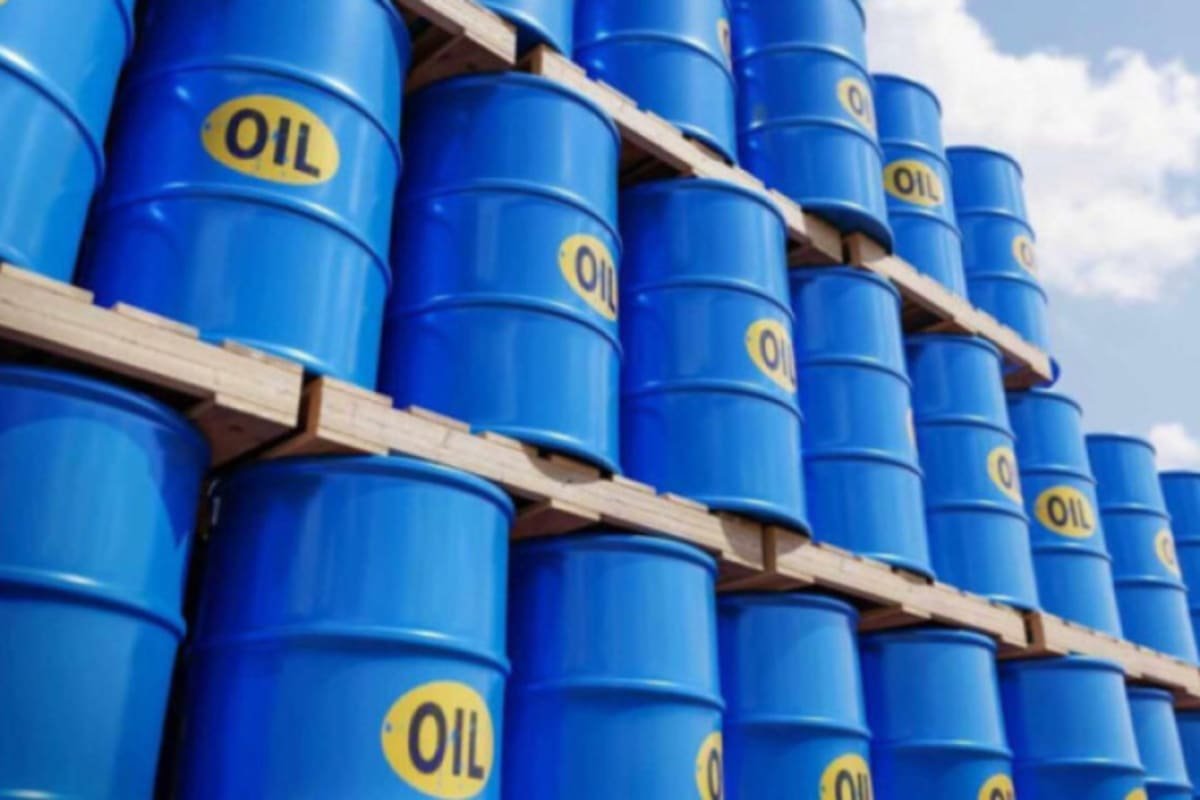
Global oil prices climbed on Monday following a fresh attack on an oil tanker in the Strait of Hormuz, sparking renewed concerns over supply chain stability. Brent crude rose to $95.89 per barrel, while U.S. West Texas Intermediate (WTI) crude increased to $88.65. This volatility reflects growing market anxiety as geopolitical tensions in the Middle East threaten to disrupt critical energy transit routes.
Market analysts noted that while prices initially dipped in Asian trading, they quickly rebounded due to the heightened regional instability. The Strait of Hormuz remains a vital chokepoint for global energy supplies, making the market highly sensitive to any physical disruptions or security threats. Current data shows Brent crude gained 0.1 percent, reversing an earlier one percent decline.
Geopolitical Risks and Supply Constraints
BMI analysts highlighted that OPEC+ export processes remain fragile, leaving the global supply chain vulnerable to minor shocks. The ongoing diplomatic stalemate between Washington and Tehran continues to serve as a primary driver of market uncertainty. Experts warn that unless these geopolitical risks are mitigated, the energy sector will likely face sustained upward pressure on pricing.
KCM Trade Chief Market Analyst Tim Waterer said, “High shipping costs are preventing oil prices from falling significantly.” He added that elevated transportation expenses have kept the fuel market firmly positioned above a certain price floor.
Market observers expect further price hikes if security risks in the Strait of Hormuz persist. Investors are maintaining a cautious stance as they monitor the potential for prolonged supply chain disruptions in the region.
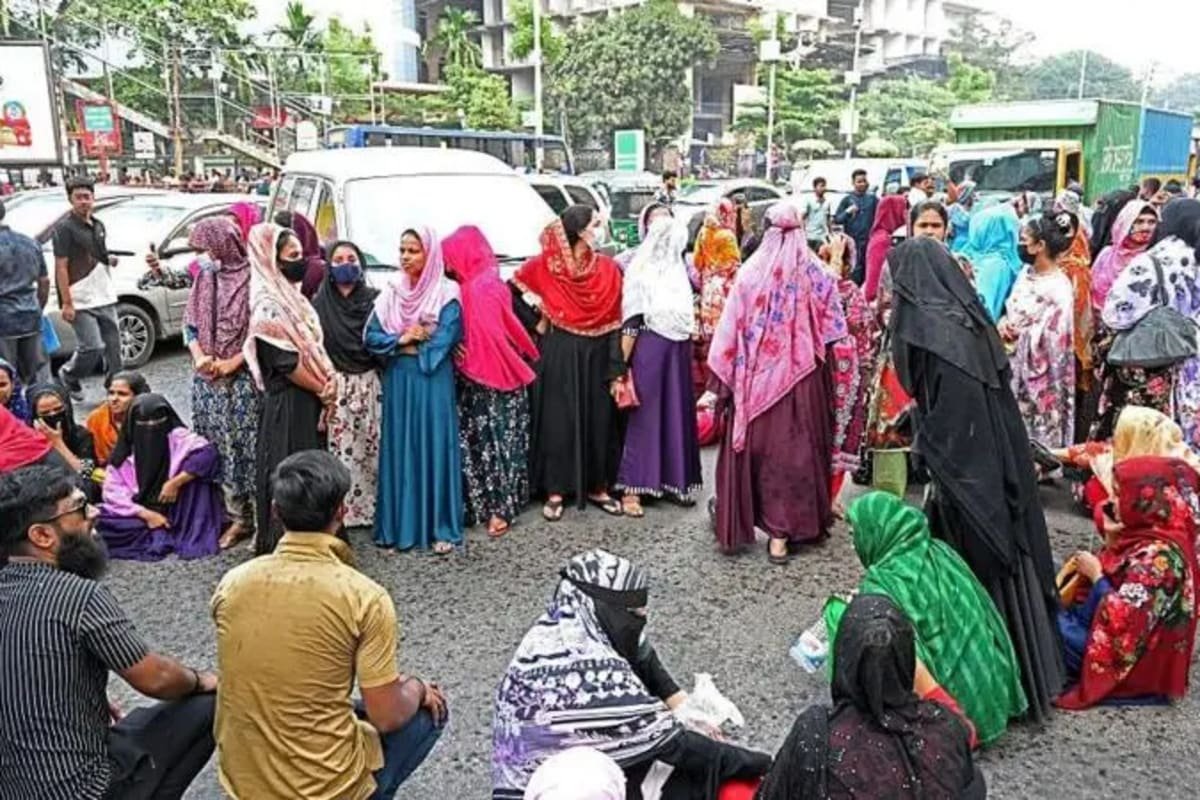
Garment factory owners have declared an indefinite shutdown of over 70 production units across Gazipur, Savar, and Ashulia industrial belts following intense labor unrest. Workers demanding a minimum monthly wage of Tk 30,000 took to the streets, blocking the Dhaka-Tangail highway and severely disrupting industrial operations. Authorities have invoked the ‘no work, no pay’ policy under the labor law to manage the escalating situation.
The shutdown includes 29 factories in Gazipur and more than 50 facilities in the Savar and Ashulia regions. Owners decided to close these units after workers staged protests and blocked key transportation routes, bringing production to a complete standstill. While the highway has since been cleared, the industrial zones remain tense as workers continue to press for their wage demands.
Management and Legal Stance
Factory owners cited the ‘no work, no pay’ provision of the labor law as the primary reason for the closures. In Gazipur, 13 factories were shuttered on Saturday night, followed by another 16 on Sunday morning as unrest intensified. In the Savar and Ashulia regions, owners opted to keep facilities closed as a precautionary measure to prevent further damage and ensure the safety of their premises.
Additional Superintendent of Gazipur Industrial Police Md. Amzad Hossain said, “Police are maintaining control over the situation to prevent further escalation.”
Industrial Police officials confirmed that they are monitoring the situation closely to avoid any fresh incidents of violence. While traffic flow on the Dhaka-Tangail highway has returned to normal, the future of production remains uncertain. Industry experts warn that the unrest could persist if a consensus between the workers and the factory owners is not reached soon.
-

 Politics2 days ago
BNP Stages Massive Protest Rally in Abhaynagar Against Awami League
-
 Crime and Justice1 day ago
Thieves target Lohagara primary school again, steal electrical equipment and tin sheets
-
 Bangladesh1 day ago
Embankment collapse in Satkhira’s Pratapnagar threatens 40,000 residents
-

 Politics1 day ago
Two BNP Leaders Killed in Armed Attack by Awami League in Narail
-
 Crime and Justice1 day ago
4 Killed in Nationwide Violence as Security Tightens Across Bangladesh