
Economy
Remittance Inflow from Australia and Canada Hits New Milestone


Bangladesh is witnessing a significant shift in remittance sources as inflows from Australia and Canada continue to rise, offering a vital boost to the nation’s foreign exchange reserves. During the first four months of the 2026-27 fiscal year, from July to October, these two developed nations contributed a combined $172.33 million to the economy. This trend highlights the growing presence of skilled Bangladeshi professionals in these countries and signals a positive diversification of the country’s foreign currency earnings.
Data from the central bank shows that Australia accounted for $93.59 million, while Canada contributed $78.74 million during this period. These figures represent approximately 1.5 percent of the total remittance inflow, marking a departure from the traditional reliance on Middle Eastern labor markets. This growth reflects both the increasing number of skilled migrants and a shift toward more stable, high-income economies.
Banking Sector Reforms
Bangladesh Bank spokesperson Arif Hossain Khan attributed this growth to improved banking services and increased migrant confidence in legal channels. He noted that the government and the central bank have implemented stricter policies to curb illegal ‘hundi’ transactions while simplifying the remittance process. These measures have successfully encouraged expatriates to utilize formal banking systems for sending their earnings home.
Bangladesh Bank spokesperson Arif Hossain Khan said, “The rise in remittances is not merely a result of higher migrant numbers, but a reflection of growing trust in legal banking channels and the enhancement of service quality.”
Economic Outlook
Between July and October, Bangladesh received a total of $11.46 billion in remittances. While Saudi Arabia remains the top source with $2.19 billion, followed by the United Kingdom, the United States, the UAE, and Malaysia, the emerging contribution from Australia and Canada is strategically significant. Economists suggest that diversifying these sources is essential for long-term macroeconomic stability.
Economist Dr. Zahid Hossain said, “To strengthen the economic foundation, we must increase the export of skilled manpower to developed nations alongside traditional labor markets. Reducing dependency on a few specific countries will accelerate the rebuilding of our foreign exchange reserves.”
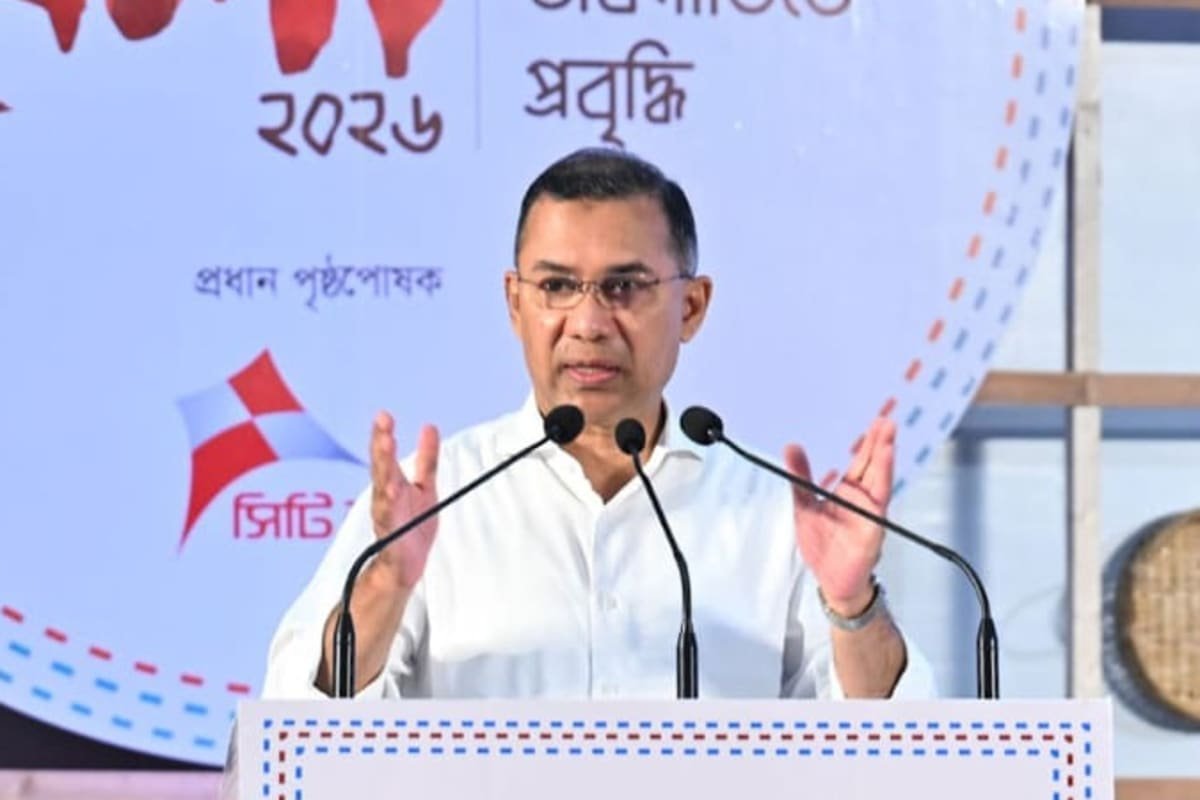
The government has unveiled a comprehensive action plan to boost the contribution of Cottage, Micro, Small, and Medium Enterprises (SMEs) to the national GDP to 35 percent by 2031. This initiative aims to generate 2.5 million new jobs and foster the development of over 25,000 new entrepreneurs across the country within the next few years.
To achieve the vision of a one-trillion-dollar economy by 2034, the government has identified the SME sector as a primary growth engine. Officials have drafted the National SME Policy-2026, which is scheduled for submission to the cabinet for formal approval in the near future.
Addressing Sectoral Challenges
Capital shortages, technological gaps, and a lack of skilled labor remain significant barriers to the growth of the SME sector. To mitigate these issues, the government plans to provide low-interest loans, modern vocational training, and special incentives tailored for women and young entrepreneurs.
Over the next four years, the government intends to cultivate 25,000 new entrepreneurs by training 100 individuals annually in each of the 64 districts. Furthermore, the SME Foundation will provide specialized training in branding, digital marketing, and e-commerce to at least 50,000 entrepreneurs over the next five years.
Global Expansion and Innovation
The government aims to transform the SME sector into an export-oriented production system rather than limiting it to the local market, ultimately fostering economic self-reliance through the empowerment of women and youth.
To enhance the global visibility of Bangladeshi products, the government will organize international SME fairs in cities including Singapore, London, and Paris. Additionally, the establishment of a National Creative and Design Center is underway to ensure the quality and modern design standards of traditional local products.
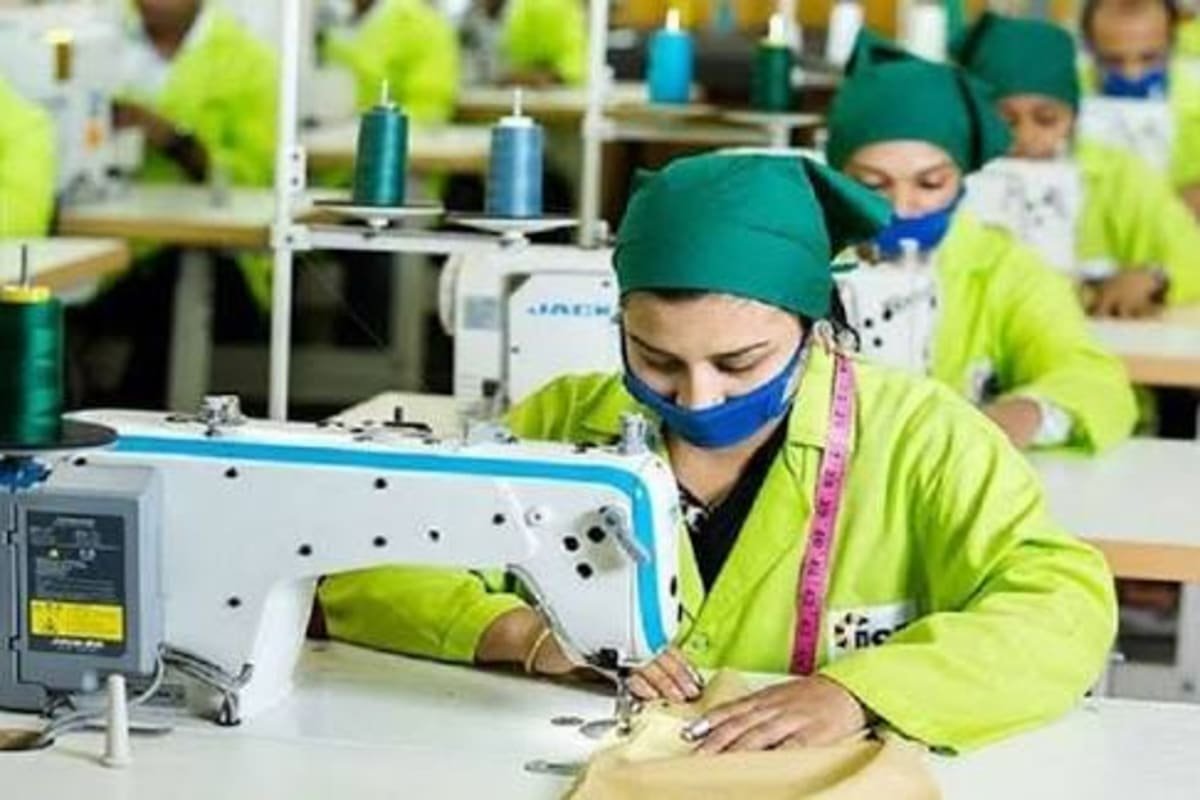
Ongoing labor unrest and widespread factory closures have pushed Bangladesh’s primary export sector into a severe crisis, threatening the nation’s economic stability. Workers in Ashulia, Savar, and Gazipur are protesting for higher wages and improved safety, leading factory owners to suspend operations indefinitely amid claims of external agitation. The standoff between workers, owners, and the government has created a complex impasse that risks long-term damage to the country’s global market reputation.
Industrial zones in Ashulia, Savar, and Gazipur remain volatile as hundreds of factories have shuttered operations. Factory owners allege that the unrest is being fueled by external agitators rather than internal labor grievances, and they have expressed frustration over a lack of adequate administrative protection. This disruption has halted production lines, leaving the industry vulnerable to significant financial losses and potential order cancellations.
Root Causes of Unrest
Laborers are demanding a minimum wage of 32,000 taka, a figure that factory owners have dismissed as unreasonable and unsustainable. The repeated postponement of wage board meetings has deepened worker distrust, fueling suspicions that the government and owners are intentionally delaying the process. This communication gap has exacerbated tensions, making the sector increasingly susceptible to further instability.
Economic Impact
Industry insiders report that a 15-day factory closure results in direct production losses of approximately 200 million taka. Beyond immediate financial hits, manufacturers face the risk of losing international buyers due to missed deadlines. Many owners are now forced to offer heavy discounts or incur the high costs of air-freighting goods to meet seasonal demands, further straining their operational viability.
Economists warn that without a swift and mutually acceptable wage structure, the cycle of political agitation and labor unrest will remain difficult to break.
Government officials have suggested that the unrest is being stoked by political elements linked to the previous administration. Meanwhile, both workers and owners are looking toward next week’s scheduled meetings, where a final wage proposal is expected to be discussed. Experts emphasize that a transparent and rapid resolution is essential to prevent permanent damage to Bangladesh’s competitive edge in the global apparel market.
Bangladesh’s banking sector stands on the brink of insolvency following years of systemic looting and corruption during the tenure of former Prime Minister Sheikh Hasina. The crisis has severely compromised the nation’s economic stability, leaving the financial system in a state of extreme fragility. According to a recent report by The Economist, the sector is now struggling with record-high non-performing loans and a critical depletion of capital reserves.
Data from the report indicates that non-performing loans (NPLs) have surged to approximately 33 percent of total credit, a figure significantly higher than those of neighboring India or Pakistan. Furthermore, the capital-to-risk-weighted assets ratio has plummeted to negative 3.8 percent, underscoring the severe erosion of the sector’s financial health. These indicators reflect a systemic collapse that threatens the broader national economy.
Political Influence and Asset Stripping
The crisis stems largely from the takeover of major financial institutions by oligarchs closely aligned with the former Awami League government. These entities systematically siphoned off vast sums of money, particularly through institutions like Islami Bank, where industrial groups such as S. Alam exerted undue influence. Consequently, ordinary depositors are now facing significant hurdles in withdrawing their savings as liquidity dries up across the sector.
Economic growth has slowed to 3.7 percent, less than half of the average recorded over the past 15 years. Simultaneously, private sector credit growth has hit a 33-year low of 4.5 percent. These figures highlight the stagnation caused by the legacy of institutional decay and the misappropriation of public funds under the previous administration.
Challenges for the Interim Government
While the interim government has pledged to implement structural reforms and clean up the financial ledgers, the path to recovery remains fraught with difficulty. Persistent high inflation and a significant shortfall in revenue collection have severely limited the state’s capacity to intervene. Without substantial foreign assistance, the recapitalization of banks and the restoration of economic momentum present a formidable challenge for the current leadership.
The nation is now confronting the negative consequences of the ‘Bangladesh Paradox,’ where decades of economic progress are being undone by political instability and institutional weakness. Unless the government can effectively address these deep-rooted issues, the country faces the risk of long-term poverty and sustained economic decline.
-

 Crime and Justice2 hours ago
4 Arrested with Firearms and Drugs in Mohammadpur Operation
-

 International1 day ago
Gadi Eisenkot moves to form minority government defying Netanyahu
-

 Crime and Justice4 hours ago
Man held by mob for using counterfeit notes in Nasirnagar
-

 Politics2 hours ago
NCP to join dialogue with Prime Minister on Monday for national unity
-

 International1 day ago
Kishoreganj Pagla Mosque donation boxes collect record Tk 133 crore