
International
Gadi Eisenkot moves to form minority government defying Netanyahu

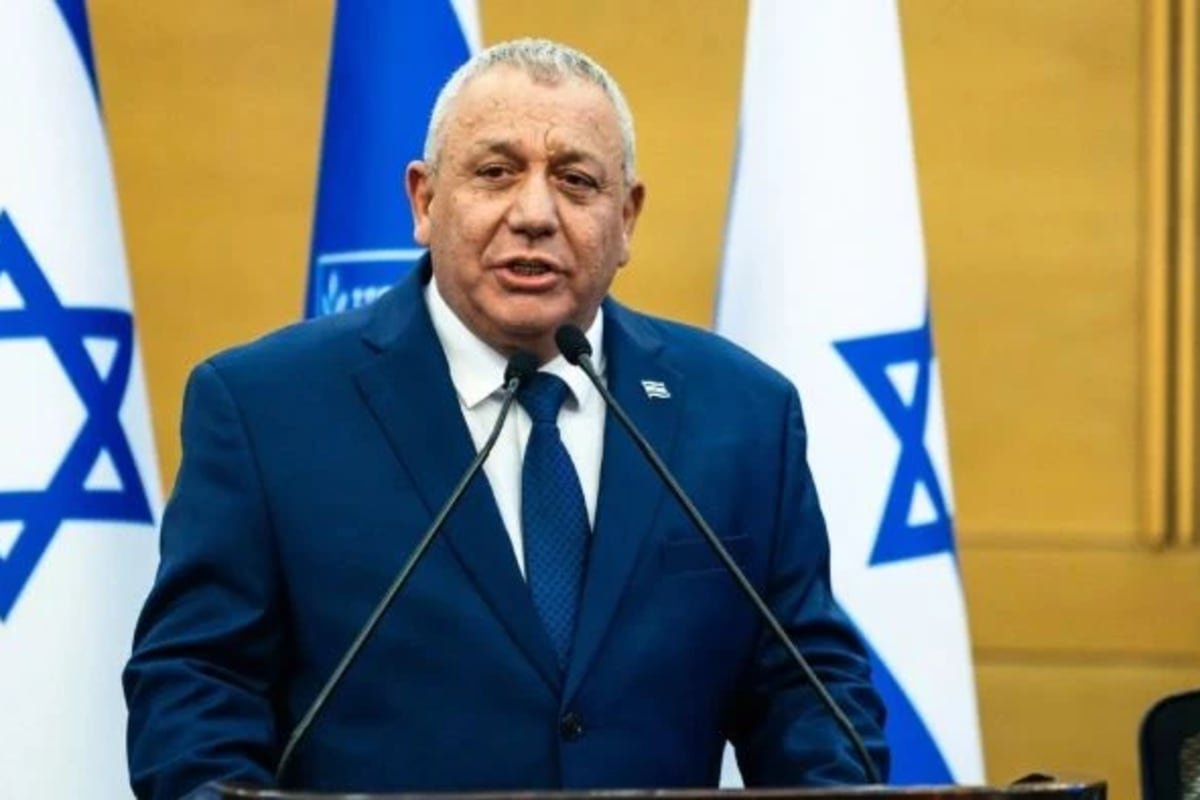
Yesh Atid leader Gadi Eisenkot is planning to form a minority emergency government with the support of Arab parties after failing to secure a parliamentary majority. This strategic move aims to resolve Israel’s ongoing political deadlock and prevent the country from heading toward another snap election. The decision has sparked intense debate, as it challenges the existing political order and risks further destabilizing the nation’s fragile governance.
Following the October 27 elections, the 120-seat Knesset remains deeply divided. Eisenkot’s coalition holds 48 seats, while Benjamin Netanyahu’s bloc controls 53, and Arab parties hold 19. With no faction achieving the 61-seat threshold required for a majority, the country faces a severe governance crisis that has pushed Eisenkot toward this controversial coalition strategy.
Internal coalition friction
Eisenkot’s plan has triggered significant internal dissent within his own ranks. Yisrael Beiteinu leader Avigdor Liberman publicly declared he would not support any government backed by Arab parties. Meanwhile, former Prime Minister Naftali Bennett has expressed a preference for a broader unity government, distancing himself from Eisenkot’s current minority-led approach.
Prime Minister Benjamin Netanyahu strongly opposed the initiative, stating, “Forming a government with the support of Arab parties poses a direct threat to Israel’s national security.” He further alleged that the move would push the nation toward uncertainty for the sake of narrow political interests.
Defending the strategy
In response to the criticism, Eisenkot accused Netanyahu of spreading fear and division among the public. He urged members of parliament to vote according to their conscience rather than party lines. Eisenkot emphasized that his primary objective is to spare the country from the financial and social costs of another uncertain election cycle, even if it requires governing as a minority.
Eisenkot has set a deadline of December 6 to bring the proposed government to a vote of confidence in the Knesset. He pledged to continue negotiations with the Likud party and Haredi factions in the interim. If successful, this maneuver could fundamentally alter the balance of power in Israeli politics; if it fails, the nation will likely face its fifth election in recent years.
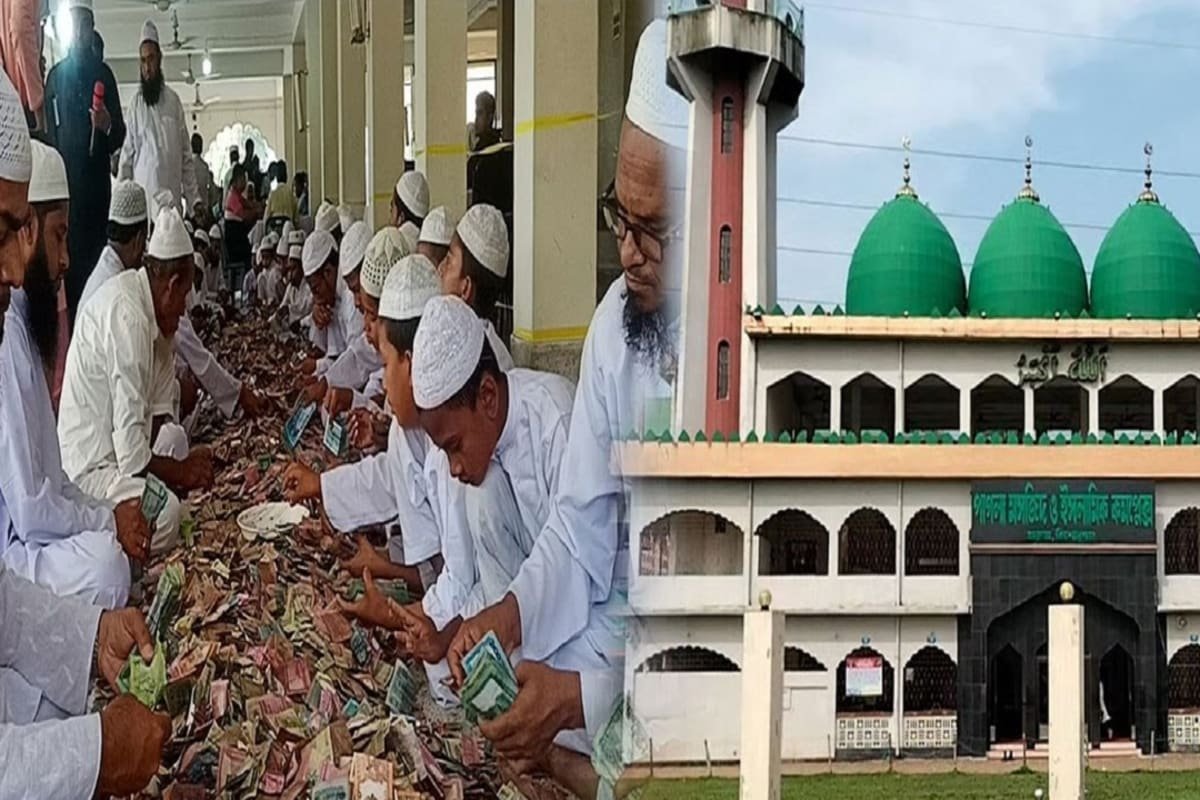
The historic Pagla Mosque in Kishoreganj has set a national record by collecting Tk 133.21 crore in donations from its charity boxes. The funds were recovered after the boxes remained sealed for four months and 24 days, reflecting the deep public trust and spiritual significance associated with the religious site. This massive collection marks a unique milestone in the history of religious institutions across Bangladesh.
Authorities opened 10 permanent and five temporary donation boxes on Saturday morning, recovering 15 sacks filled with cash. In addition to the physical currency, the mosque received Tk 44.09 lakh through online banking and its official website. This digital integration highlights the mosque’s evolving approach to managing charitable contributions in the modern era.
Diverse contributions and assets
The donation boxes contained more than just local currency, as officials also discovered significant quantities of gold, silver, and foreign banknotes. Following a count on October 12, the mosque recorded 1,044 bhori of gold and 1,088 bhori of silver. Furthermore, foreign currencies from 17 different countries were processed through Bangladesh Bank, adding an additional Tk 65.62 lakh to the total fund.
Future development plans
District Commissioner Sohana Nasrin said, “We have finalized plans to construct a modern mosque complex using the collected funds. We have already acquired 53.77 decimals of land for the project, and the development of an aesthetic architectural design is progressing rapidly.”
Beyond infrastructure, the mosque serves as a vital social welfare hub. The funds support the maintenance of orphan students at Jamia Imdadia Madrasa, cover educational expenses for 250 Hafiz students, and provide salaries for 45 staff members. A significant portion of the revenue is also allocated to medical assistance for impoverished patients, ensuring the donations directly benefit the local community.

A powerful 6.7 magnitude earthquake struck central Peru on Friday evening, triggering widespread panic among residents as tremors were felt across the capital, Lima, and surrounding regions. The seismic event occurred at 7:09 PM local time, centered 30 kilometers northwest of Junin city at a depth of 129 kilometers. While authorities have reported no immediate casualties or major structural damage, the intensity of the quake prompted citizens to evacuate their homes in fear.
Geophysical Institute President Hernando Tavera reported that the tremors triggered landslides and rockfalls along mountain slopes. These geological disturbances have complicated access to remote areas, making rescue and assessment operations challenging for local authorities. The quake was felt significantly in Huánuco and Callao, highlighting the vulnerability of the region to seismic activity.
Regional Seismic Vulnerability
This incident follows a deadly 5.1 magnitude earthquake in the same Junin region last July, which resulted in six deaths and 32 injuries. That disaster destroyed 52 homes, underscoring the persistent geological instability of the area. Peru’s location along the Pacific ‘Ring of Fire’ makes it highly susceptible to frequent seismic events, necessitating constant vigilance and robust disaster preparedness.
Geophysical Institute President Hernando Tavera said, “The tremors caused landslides and rockfalls on mountain slopes, which have made movement and rescue operations in remote areas challenging.”
The National Emergency Operations Center (COEN) is currently conducting a comprehensive assessment of the affected areas. Although no major destruction has been confirmed, local administrations remain on high alert due to the ongoing risk of landslides in mountainous terrain. Officials continue to monitor the situation to ensure public safety and provide necessary support to vulnerable communities.
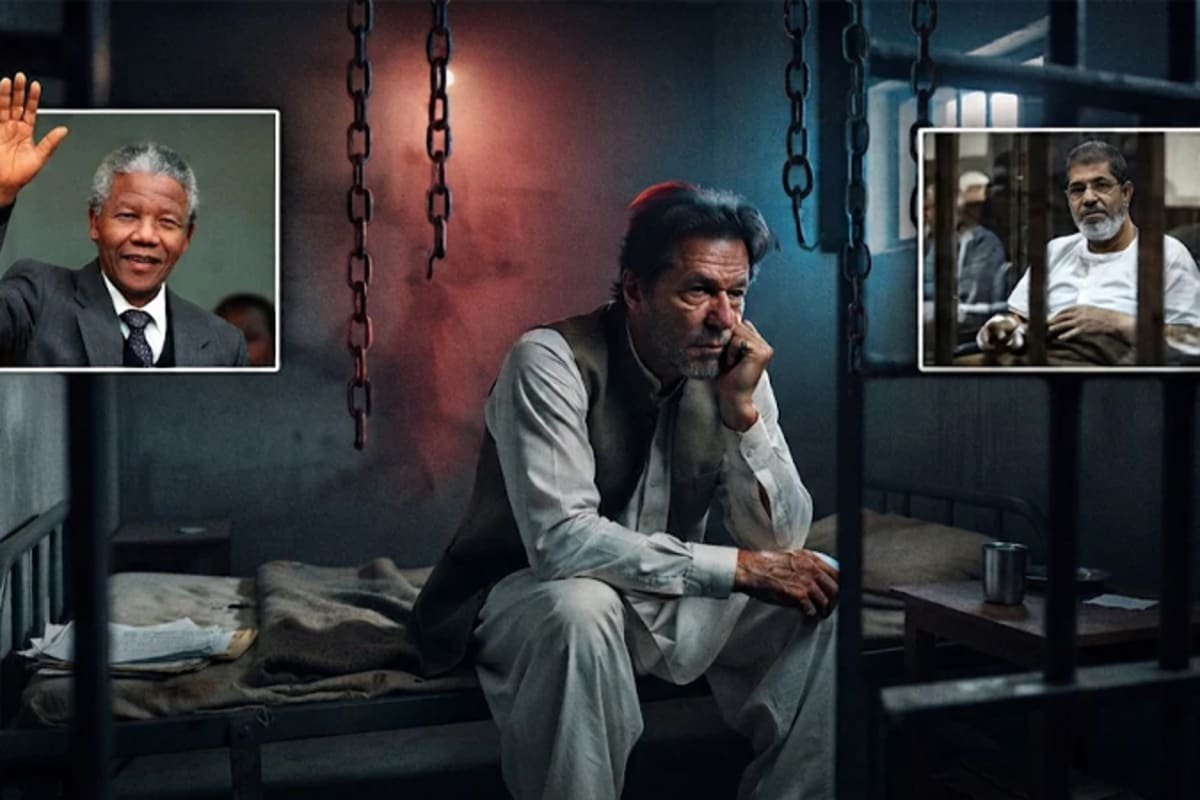
Former Pakistani Prime Minister Imran Khan faces severe health risks due to prolonged solitary confinement and lack of medical care, raising concerns about his future. His imprisonment has pushed Pakistan into a state of political uncertainty, drawing comparisons to the resilience of Nelson Mandela or the tragic demise of Egypt’s Mohamed Morsi. International observers warn that his deteriorating condition could trigger widespread instability within the nation.
Since his ouster in 2022, Khan has cultivated a massive grassroots movement against military influence and political persecution. Despite being incarcerated, his popularity remains undiminished, establishing him as the primary symbol of resistance against the current Pakistani establishment. His supporters continue to view his detention as a calculated effort to dismantle his political influence.
Conditions of Confinement
According to reports submitted to the Supreme Court of Pakistan, Khan is held in solitary confinement for 22 hours daily. Medical experts have warned that the lack of specialized care could lead to life-threatening complications, including cerebral hemorrhage or cardiac arrest. While authorities have officially denied these allegations, the lack of transparency regarding his health continues to fuel public anxiety.
Historical Parallels
Khan’s imprisonment evokes two starkly different historical outcomes. Nelson Mandela endured 27 years of incarceration before emerging to lead his nation toward democracy. Conversely, Egypt’s Mohamed Morsi died in a courtroom while in custody, allegedly due to medical negligence. Analysts suggest that Khan’s current trajectory remains caught between these two historical precedents, depending heavily on the state’s treatment of his health.
Future Implications
The silence from the international community and human rights organizations has further complicated the situation. Experts warn that any untoward incident involving Khan could push Pakistan’s fragile democracy toward a potential civil conflict. Ultimately, Khan’s fate serves as a critical test for human rights and democratic norms, determining the future political direction of the country.
-

 Crime and Justice1 day ago
OC threatened with death for arresting Chhatra League activists in Chattogram
-
Bangladesh1 day ago
Elderly woman dies after falling from rooftop in Jashore
-

 Bangladesh5 hours ago
Three Service Chiefs Meet Prime Minister on Armed Forces Day
-
 Crime and Justice1 day ago
BGB Seizes Narcotics and Contraband Worth Tk 87 Crore in Jashore
-
Crime and Justice1 day ago
Indian Chemical-Laden Truck Overturns in Jashore, No Casualties Reported