
International
Israeli Drone Strike on Gaza Aid Vehicle Kills 4


An Israeli drone strike targeting a food aid vehicle in Gaza City’s Tal al-Hawa area killed three people on Saturday, while a separate shooting incident in Jabalia al-Balad claimed another life. These attacks have further constricted humanitarian access to the besieged territory and raised significant concerns regarding the viability of ongoing ceasefire agreements.
Al-Shifa Hospital authorities confirmed the arrival of the four bodies following the incidents. Images captured by AFP showed the remains of a van destroyed by the blast, with food supplies scattered across the site, highlighting the deepening food crisis currently gripping the region.
Military Stance and Escalation
Israeli military officials claimed they targeted individuals involved in combat operations within the area, though they provided no further details to substantiate the claim. Meanwhile, both Hamas and Israeli authorities have traded accusations of violating the ceasefire, complicating efforts to reach a sustainable resolution to the long-standing conflict.
Local residents have expressed profound frustration and anger, with victims’ families questioning the silence of the international community and describing the current conditions as more dire than during the height of the war.
According to AFP data, more than 1,600 Palestinians have been killed in Gaza since the ceasefire began. Conversely, Israeli military figures indicate that seven soldiers and one civilian contractor have lost their lives during the same period. The persistent violence underscores that despite diplomatic efforts, the humanitarian catastrophe in the enclave continues to intensify.

At least 39 people are missing and four others remain hospitalized with serious injuries following a massive fire that broke out at a candy manufacturing plant on the outskirts of Jakarta, Indonesia, on Sunday morning. Emergency response teams are currently conducting an intensive search and rescue operation at the site in West Jakarta, where the blaze rapidly engulfed the entire facility.
The incident has raised significant concerns regarding industrial safety standards in Indonesia, particularly within densely populated manufacturing zones. Firefighters and emergency personnel are struggling to navigate the site due to the intensity of the flames and thick smoke, which continue to hinder access to the interior of the building.
Search and Rescue Efforts
Rescue and Search Agency official Rizki Diwanto confirmed that multiple teams are working tirelessly to locate those trapped inside the factory. While the fate of the missing workers remains unclear, authorities have not ruled out the possibility of the casualty count rising as the search progresses through the debris.
“Our primary focus remains on the search and rescue operation to locate the missing individuals as quickly as possible,” Rizki Diwanto said.
Investigation and Safety Concerns
Preliminary investigations are underway to determine whether the factory maintained adequate fire safety systems and complied with industrial regulations. Officials are currently in contact with the families of the missing workers to provide updates as the situation develops.
Following the conclusion of the rescue mission, the government is expected to establish a high-level committee to conduct a thorough investigation into the cause of the fire. This tragedy has reignited calls for stricter enforcement of fire safety protocols and improved working conditions across industrial sectors in the region.
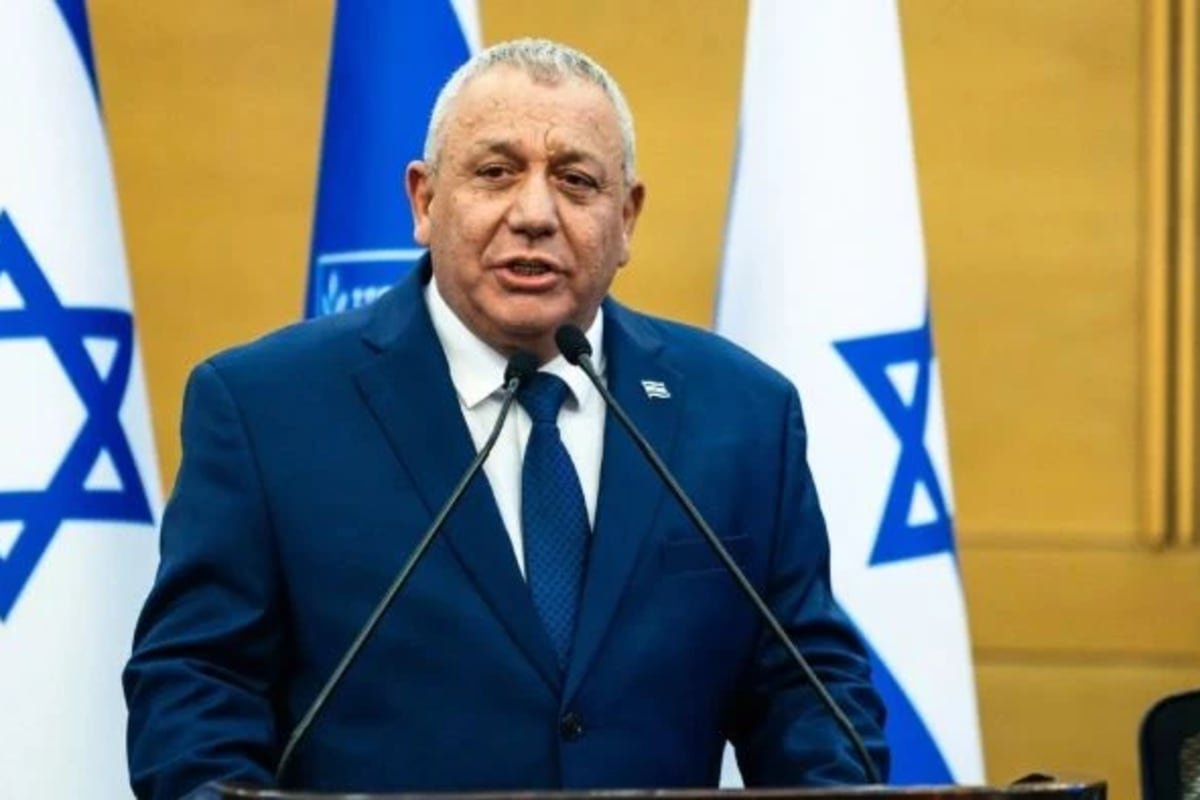
Yesh Atid leader Gadi Eisenkot is planning to form a minority emergency government with the support of Arab parties after failing to secure a parliamentary majority. This strategic move aims to resolve Israel’s ongoing political deadlock and prevent the country from heading toward another snap election. The decision has sparked intense debate, as it challenges the existing political order and risks further destabilizing the nation’s fragile governance.
Following the October 27 elections, the 120-seat Knesset remains deeply divided. Eisenkot’s coalition holds 48 seats, while Benjamin Netanyahu’s bloc controls 53, and Arab parties hold 19. With no faction achieving the 61-seat threshold required for a majority, the country faces a severe governance crisis that has pushed Eisenkot toward this controversial coalition strategy.
Internal coalition friction
Eisenkot’s plan has triggered significant internal dissent within his own ranks. Yisrael Beiteinu leader Avigdor Liberman publicly declared he would not support any government backed by Arab parties. Meanwhile, former Prime Minister Naftali Bennett has expressed a preference for a broader unity government, distancing himself from Eisenkot’s current minority-led approach.
Prime Minister Benjamin Netanyahu strongly opposed the initiative, stating, “Forming a government with the support of Arab parties poses a direct threat to Israel’s national security.” He further alleged that the move would push the nation toward uncertainty for the sake of narrow political interests.
Defending the strategy
In response to the criticism, Eisenkot accused Netanyahu of spreading fear and division among the public. He urged members of parliament to vote according to their conscience rather than party lines. Eisenkot emphasized that his primary objective is to spare the country from the financial and social costs of another uncertain election cycle, even if it requires governing as a minority.
Eisenkot has set a deadline of December 6 to bring the proposed government to a vote of confidence in the Knesset. He pledged to continue negotiations with the Likud party and Haredi factions in the interim. If successful, this maneuver could fundamentally alter the balance of power in Israeli politics; if it fails, the nation will likely face its fifth election in recent years.
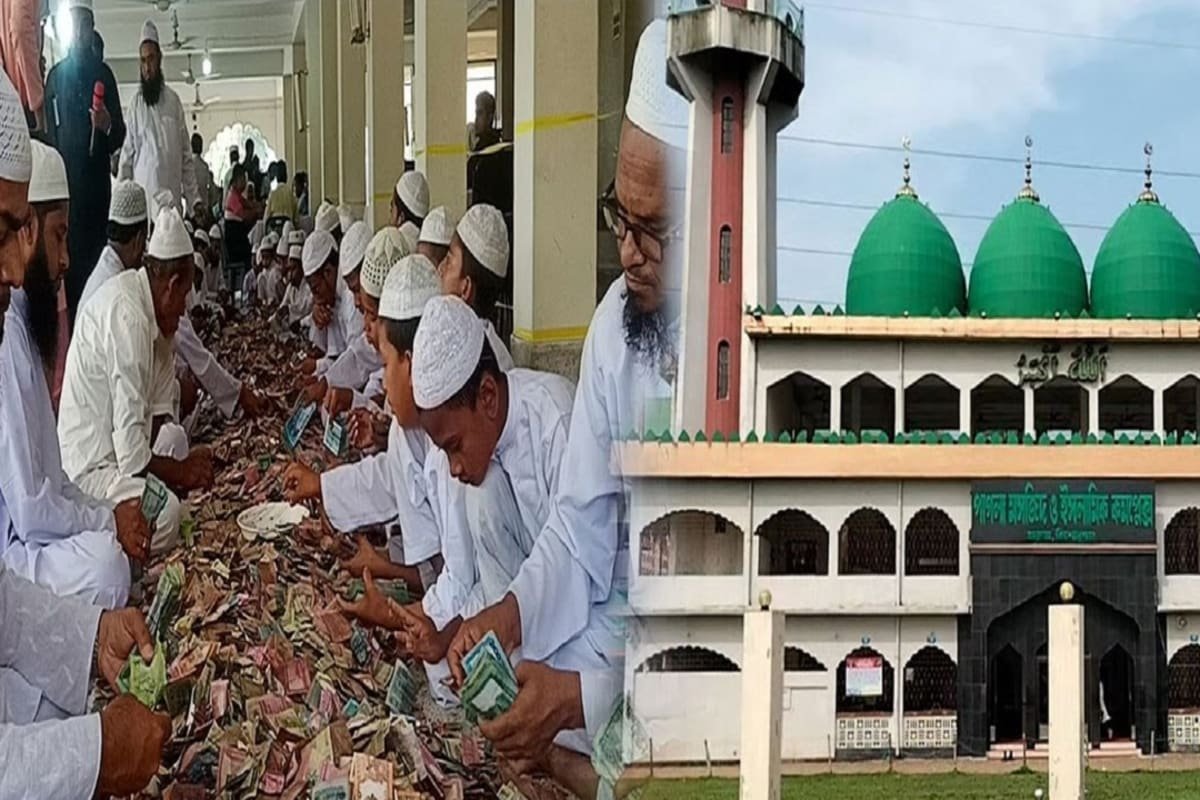
The historic Pagla Mosque in Kishoreganj has set a national record by collecting Tk 133.21 crore in donations from its charity boxes. The funds were recovered after the boxes remained sealed for four months and 24 days, reflecting the deep public trust and spiritual significance associated with the religious site. This massive collection marks a unique milestone in the history of religious institutions across Bangladesh.
Authorities opened 10 permanent and five temporary donation boxes on Saturday morning, recovering 15 sacks filled with cash. In addition to the physical currency, the mosque received Tk 44.09 lakh through online banking and its official website. This digital integration highlights the mosque’s evolving approach to managing charitable contributions in the modern era.
Diverse contributions and assets
The donation boxes contained more than just local currency, as officials also discovered significant quantities of gold, silver, and foreign banknotes. Following a count on October 12, the mosque recorded 1,044 bhori of gold and 1,088 bhori of silver. Furthermore, foreign currencies from 17 different countries were processed through Bangladesh Bank, adding an additional Tk 65.62 lakh to the total fund.
Future development plans
District Commissioner Sohana Nasrin said, “We have finalized plans to construct a modern mosque complex using the collected funds. We have already acquired 53.77 decimals of land for the project, and the development of an aesthetic architectural design is progressing rapidly.”
Beyond infrastructure, the mosque serves as a vital social welfare hub. The funds support the maintenance of orphan students at Jamia Imdadia Madrasa, cover educational expenses for 250 Hafiz students, and provide salaries for 45 staff members. A significant portion of the revenue is also allocated to medical assistance for impoverished patients, ensuring the donations directly benefit the local community.
-

 International22 hours ago
Gadi Eisenkot moves to form minority government defying Netanyahu
-

 Crime and Justice1 hour ago
Man held by mob for using counterfeit notes in Nasirnagar
-
 Crime and Justice1 day ago
Locals bust illicit liquor den at closed Lohagara brick kiln, 3 held
-

 Politics22 hours ago
Former MP Shamim Osman reveals stage 4 cancer diagnosis
-

 Health2 days ago
Newborn dies at Lohagara hospital amid allegations of medical negligence