
International
Russia and Ukraine looking for compromise in peace talks

KYIV/LVIV, Ukraine, March 16 (Reuters) – Russia and Ukraine both emphasized new-found scope for compromise on Wednesday as peace talks were set to resume three weeks into a Russian assault that has so far failed to topple the Ukrainian government.
Ukraine’s President Volodymyr Zelensky said the talks were becoming “more realistic”, while Russian Foreign Minister Sergei Lavrov said there was “some hope for compromise”, with neutral status for Ukraine – a major Russian demand – now on the table.
The Kremlin said the sides were discussing status for Ukraine similar to that of Austria or Sweden, members of the European Union that are outside the NATO military alliance.
Three weeks into the invasion, Russian troops have been halted at the gates of Kyiv, having taken heavy losses and failed to seize any of Ukraine’s biggest cities in a war Western officials say Moscow thought it would win within days.
Ukrainian officials have expressed hope this week that the war could end sooner than expected – even within weeks – as Moscow was coming to terms with a lack of fresh troops to keep fighting.
Talks were due to resume on Wednesday by video link for what would be a third straight day, the first time they have lasted more than a single day, which both sides have suggested means they have entered a more serious phase.
“The meetings continue, and, I am informed, the positions during the negotiations already sound more realistic. But time is still needed for the decisions to be in the interests of Ukraine,” Zelensky said in a video address overnight.
On Tuesday, Zelenskiy had hinted at a possible route for a compromise, suggesting Ukraine would be willing to accept international security guarantees that stopped short of its longstanding hope for full admission to the NATO alliance.
Keeping Ukraine out of NATO was long one of Russia’s main demands, in the months before it launched what it calls a “special operation” to disarm and “denazify” Ukraine.
“The negotiations are not easy for obvious reasons,” Lavrov told media outlet RBC news. “But nevertheless, there is some hope of reaching a compromise.”
“Neutral status is now being seriously discussed along, of course, with security guarantees,” Lavrov said. “Now this very thing is being discussed in negotiations – there are absolutely specific formulations which in my view are close to an agreement.”
Kremlin spokesman Dmitry Peskov said a demilitarised Ukraine with its own army, along the lines of Austria or Sweden, was being looked at as a potential compromise. They are the biggest of six EU countries that are outside NATO.
“This is a variant that is currently being discussed and which could really be seen as a compromise,” Peskov was quoted as saying by RIA news agency.
The head of Ukraine’s negotiating team, Zelenskiy’s aide Mykhailo Podlolyak, tweeted ahead of Wednesday’s resumption of talks that Ukrainian military counteroffensives had “radically changed the parties’ dispositions”.
1/10
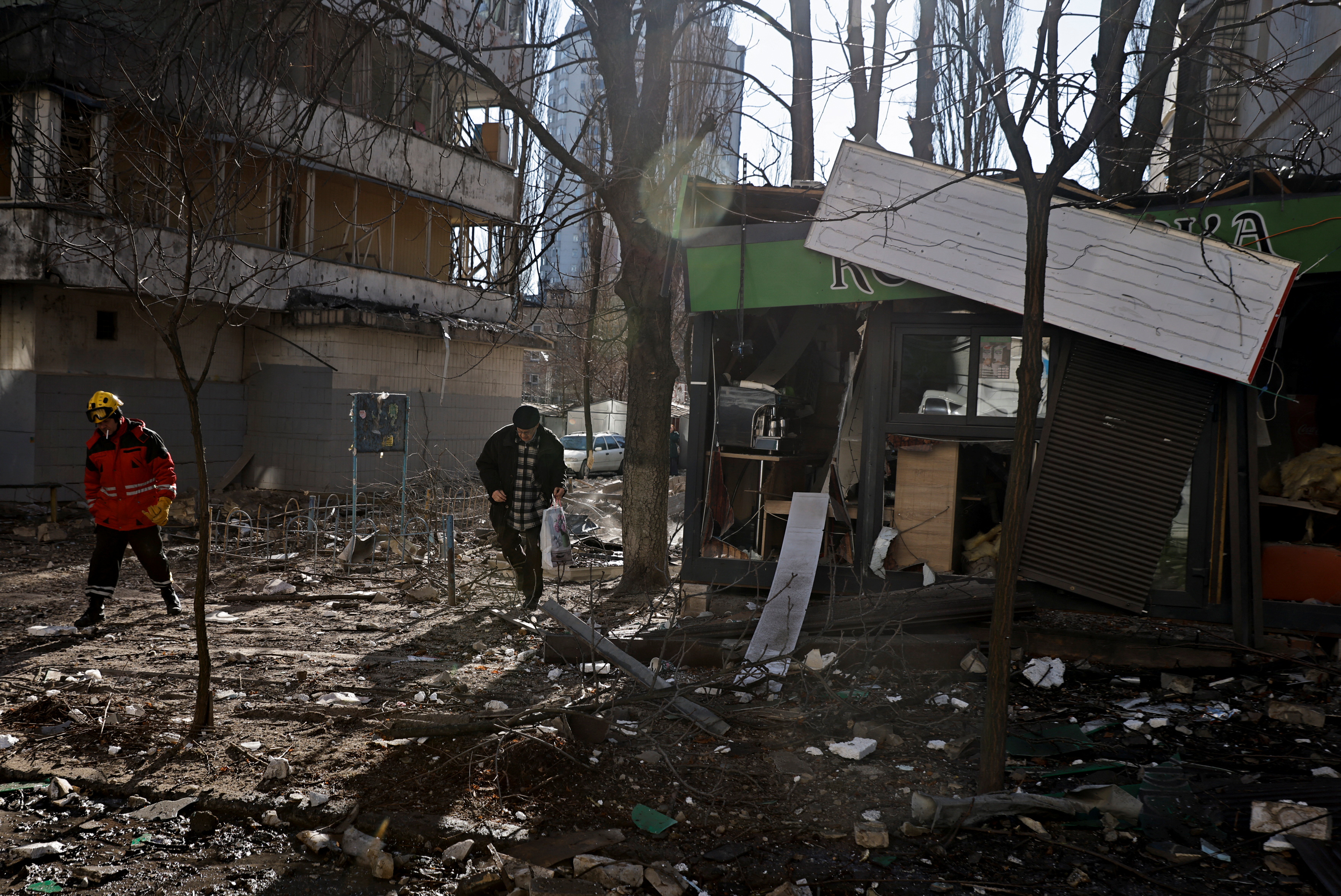
A resident walks through debris next to a building that was hit by shelling, as Russia’s attack on Ukraine continues, in Kyiv, Ukraine March 16, 2022. REUTERS/Thomas PeterRead More
In an intelligence assessment released on Wednesday, Britain said Russian forces were trapped on roads, struggling to cope with Ukrainian terrain and suffering from a failure to gain control of the air.
“The tactics of the Ukrainian Armed Forces have adeptly exploited Russia’s lack of maneuver, frustrating the Russian advance and inflicting heavy losses on the invading forces,” it said.
THREE MILLION REFUGEES
Europe’s biggest invasion since World War Two has destroyed some Ukrainian cities and sent more than 3 million refugees fleeing abroad.
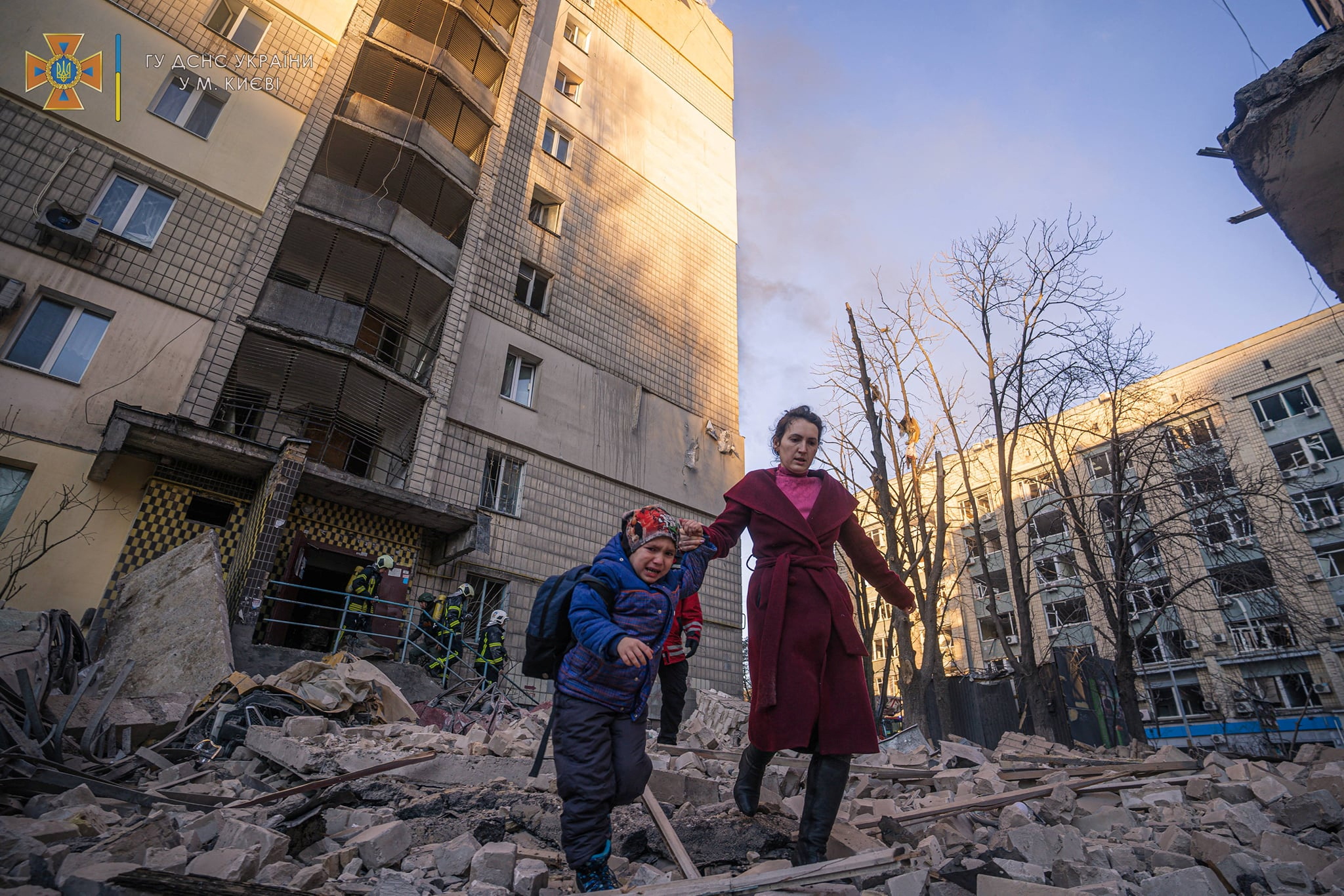
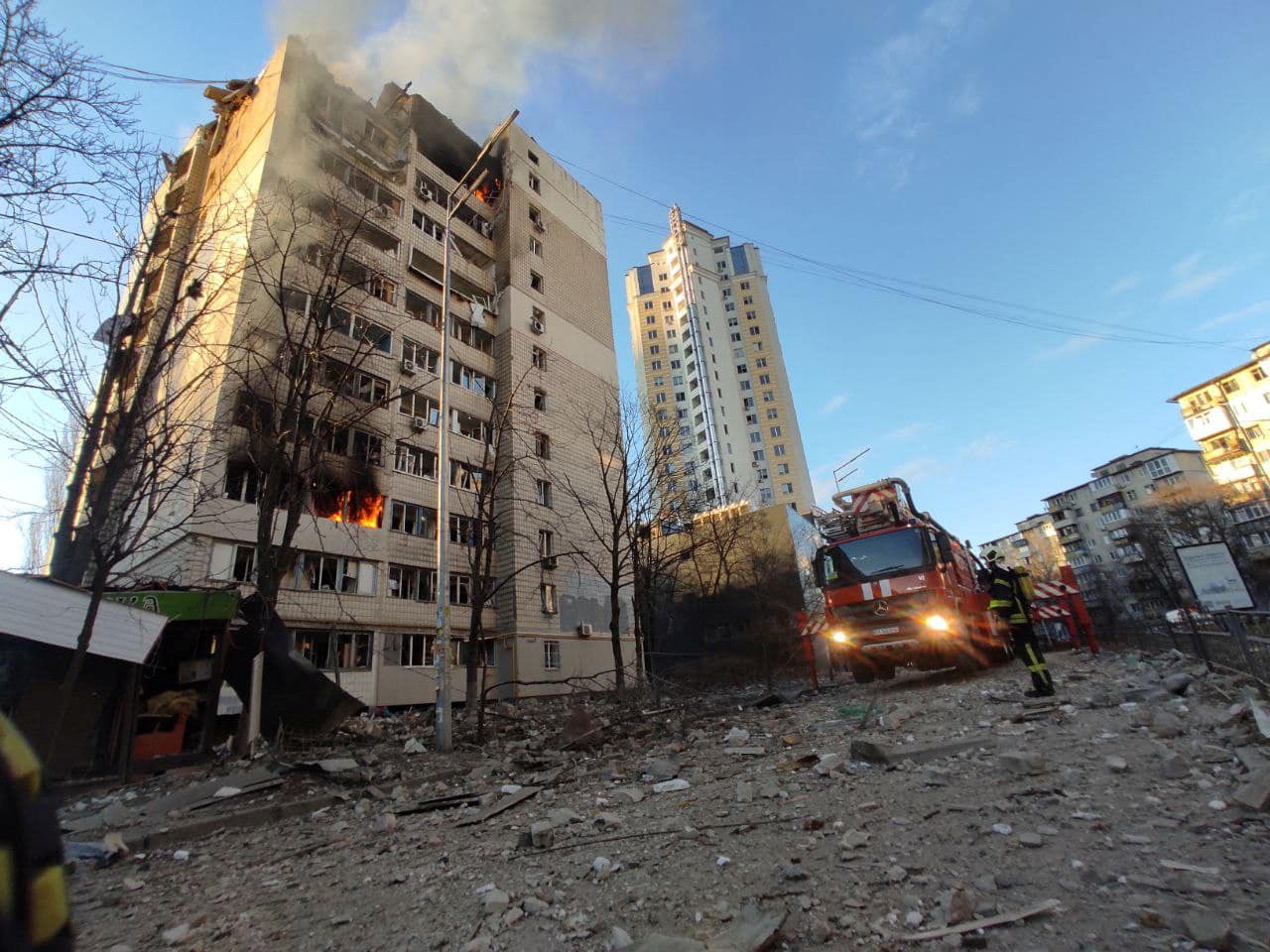
The streets of the capital Kyiv were largely empty on Wednesday after authorities imposed a curfew overnight. Several buildings in a residential area were badly damaged after what appeared to be a Russian missile was shot down in the early hours of Wednesday, residents and emergency workers said.
There was no immediate word on casualties as a specialist rescue team searched for signs of life amid the rubble. Surrounding streets were covered with broken glass from hundreds of windows shattered in a wide area. What appeared to be a motor from the missile lay twisted on the roadside.
Still, Ukrainian forces have withstood an assault by a much larger army. Zelenskiy said Ukrainian troops had killed a fourth Russian major general in the latest fighting. Reuters was not immediately able to verify his statement.
“The occupiers were not successful today, although they threw thousands of their people into battle, in the north, in the east, in the south of our state. The enemy lost equipment, hundreds more soldiers. A lot of dead Russian conscripts, dozens of officers.”
Ukraine said about 20,000 people had managed to escape the besieged port of Mariupol in private cars, but hundreds of thousands remain trapped under relentless bombardment, many without heating, power or running water.
Deputy Prime Minister Iryna Vereshchuk said it was not clear whether the humanitarian corridor to the city would open on Wednesday. She said 400 staff and patients hostage was being held hostage at a hospital Russian forces had captured in Mariupol on Tuesday.
The prime ministers of Poland, the Czech Republic, and Slovenia were due home on Wednesday after an overnight journey out of Kyiv by train. They met Zelenskiy in the Ukrainian capital on Tuesday in the first visit of its kind since the war began, a symbol of the Ukrainian administration’s success so far in withstanding the Russian assault.
Zelenskiy was due to address the U.S. Congress later on Wednesday by video link, having made similar appearances in parliaments across Europe. The White House said U.S. President Joe Biden would make his first visit to Europe since the invasion next week to discuss the crisis with NATO allies.
The conflict has brought economic isolation upon Russia and the economic cost was fully exposed on Wednesday, as its sanctions-ravaged government teetered on the brink of its first international debt default since the Bolshevik revolution.
Moscow was due to pay $117 million in interest on two dollar-denominated sovereign bonds it had sold back in 2013, but it faces limits on making payments and has talked of paying in roubles, which would trigger a default.
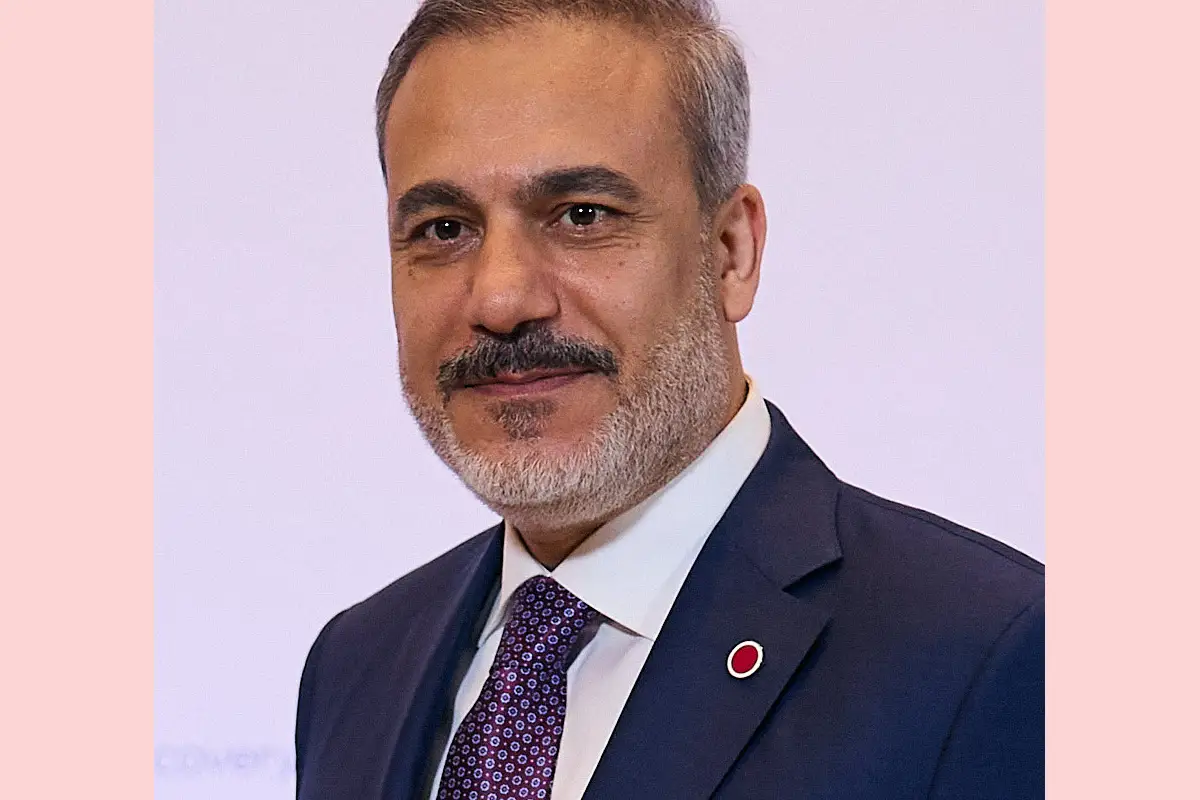
Turkish Foreign Minister Hakan Fidan kicks off a three-day official visit to Dhaka on June 4, looking to shift the relationship from standard trade into a serious defense and political alliance.
Why it matters:
This trip is a big deal for a few reasons. It is the first time a Turkish foreign minister has visited Bangladesh since December 2020. More importantly, it is the first high-level visit from a major partner since Prime Minister Tarique Rahman’s BNP-led government took office. Ankara is moving fast to engage with the new administration, showing a clear intent to lock in its influence in South Asia.
The big picture:
Turkey no longer sees Bangladesh as just a market for goods or a source of labor. The real goal here is to expand defense cooperation and build a lasting political partnership. Both nations want to align their foreign policies to present a united front on the global stage. This visit builds directly on Bangladesh Foreign Minister Dr. Khalilur Rahman’s trip to Ankara in April, where the groundwork for these bigger plans was laid.
Between the lines:
While the official statements talk about diplomatic courtesy and economic growth, the quiet focus is on military hardware. Ankara wants to sell advanced defense technology to Bangladesh as Dhaka modernizes its armed forces. Additionally, Turkey has been a vocal supporter of Bangladesh during the Rohingya crisis. Fidan might visit the refugee camps in Cox’s Bazar to get a firsthand look at the situation, proving Turkey’s ongoing political backing.
By the numbers:
- 3: The number of days Fidan will be in Bangladesh.
- 5.5: Years since the last official visit by a Turkish Foreign Minister to Dhaka.
- 2: The major meetings scheduled before seeing the PM, sitting down with Foreign Minister Dr. Khalilur Rahman and State Minister Shama Obaed Islam.
What’s next:
The visit wraps up on June 6 with a pivotal meeting between Fidan and Prime Minister Tarique Rahman. During this sit-down, expect the two leaders to nail down agreements that speed up investments and finalize new defense deals. They are also expected to get on the same page regarding Middle Eastern conflicts, especially Gaza.
The bottom line:
Ankara is not wasting any time building ties with Dhaka’s new leadership. By putting defense and political alignment ahead of basic commerce, this visit marks a serious new chapter in Turkey-Bangladesh relations.
International
Mamata Banerjee Accuses BSF of ‘Pushing Indian Citizens into Bangladesh’, Calls for State Police Action.

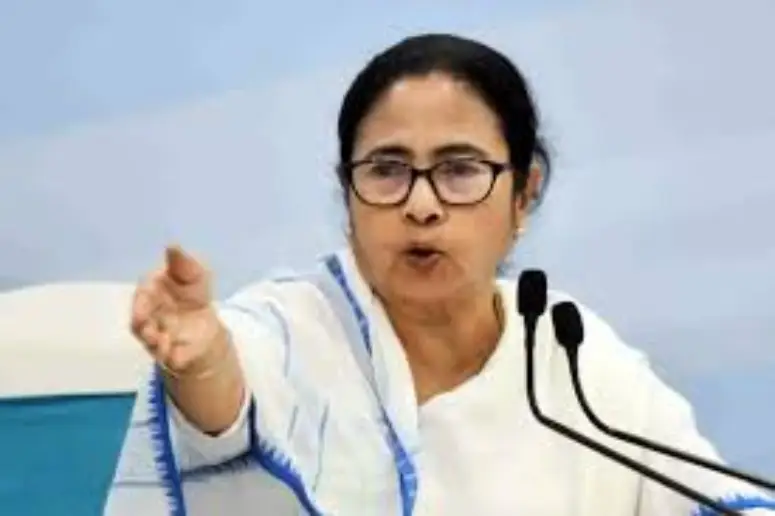
West Bengal Chief Minister Mamata Banerjee has leveled serious allegations against the Border Security Force (BSF), claiming that Indian citizens are being forcibly pushed into Bangladesh. During an administrative meeting with local officials in Cooch Behar on Monday, she criticized the BSF’s activities along the India-Bangladesh border as “excesses.”
The Chief Minister instructed the state police to “be a little more active” and “focus on Naka (check post) operations,” urging them not to be afraid of taking action.
Mamata Banerjee emphasized that Cooch Behar is a border district where law and order must be maintained, and “no excesses will be tolerated.”
Linguistic Identity and Harassment
Addressing allegations of harassment against residents, the Chief Minister strongly rejected the idea of linking language to nationality. She clarified the distinction: “Just because someone speaks Bengali does not make them a Bangladeshi. Bangladesh is a country and West Bengal is a state.”
She further drew parallels with Urdu and Punjabi speakers across the India-Pakistan border, asserting that West Bengal residents should not face harassment based on their language or identity. The Chief Minister’s strong remarks come amid ongoing political tensions regarding citizenship laws in the border regions.
International
Slaughter in Sudan: RSF Attack on Kindergarten Kills 46 Children, Death Toll Rises to 114.
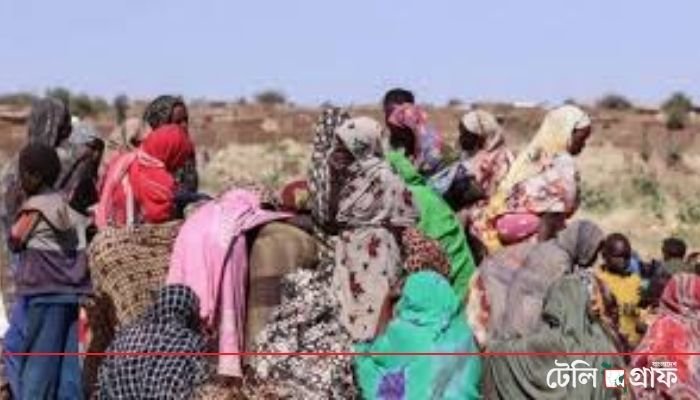
The death toll from an attack by the paramilitary Rapid Support Forces (RSF) on a kindergarten and other civilian locations in Sudan’s South Kordofan State has risen to at least 114 people, according to local officials. Tragically, the victims include 46 children. The deadly assault took place last Thursday (December 4) in the town of Kalogi.
The scale of the tragedy grew as initial reports underestimated the casualties. Sources from the Sudan Doctors Network revealed that the site was hit a second time, targeting civilians who had gathered for rescue efforts following the initial strike on the kindergarten. Reports also indicate that the town’s hospital and a government building were bombed.
Violation of International Law and Child Rights
The attack has drawn swift condemnation from international bodies. UNICEF Representative Sheldon Yett strongly denounced the killings, stating that the murder of children on their school grounds constitutes an extreme violation of child rights. He called on all warring parties to immediately cease hostilities, emphasizing that children should never pay the price of conflict.
The Sudan Doctors Network has categorized the attack as a severe violation of international humanitarian law, citing the repeated targeting of civilians and critical infrastructure.
The ongoing conflict, which erupted in 2023 between the Sudanese Armed Forces (SAF) and the RSF, continues to displace millions. While the SAF controls the central and eastern regions, the RSF is focused on expanding its influence, particularly in the western regions of North Kordofan and Darfur, exacerbating the humanitarian crisis.