
Economy
The 121st draw of the Tk 100 prize bond held in Dhaka


The 121st draw of the Tk 100 prize bond was held in Dhaka on Sunday, with bond number 0108331 winning the first prize of Tk 600,000 and bond number 0156897 taking the second prize of Tk 325,000.
The draw took place at the conference room of the Dhaka Divisional Commissioner’s Office, chaired by Sharaf Uddin Ahmed Chowdhury, Director of the Local Government Division, Dhaka.
According to the results, the two third-prize winners, each receiving Tk 100,000, are bond numbers 0056362 and 0453668.
The fourth prizes of Tk 50,000 each went to bond numbers 0912444 and 0983572, while 40 bondholders won Tk 10,000 each as fifth prizes.
Only prize bonds sold at least 60 days prior to the draw date were eligible.
Under Section 118 of the Income Tax Act 2023, a 20% tax will be deducted at source from the prize money.











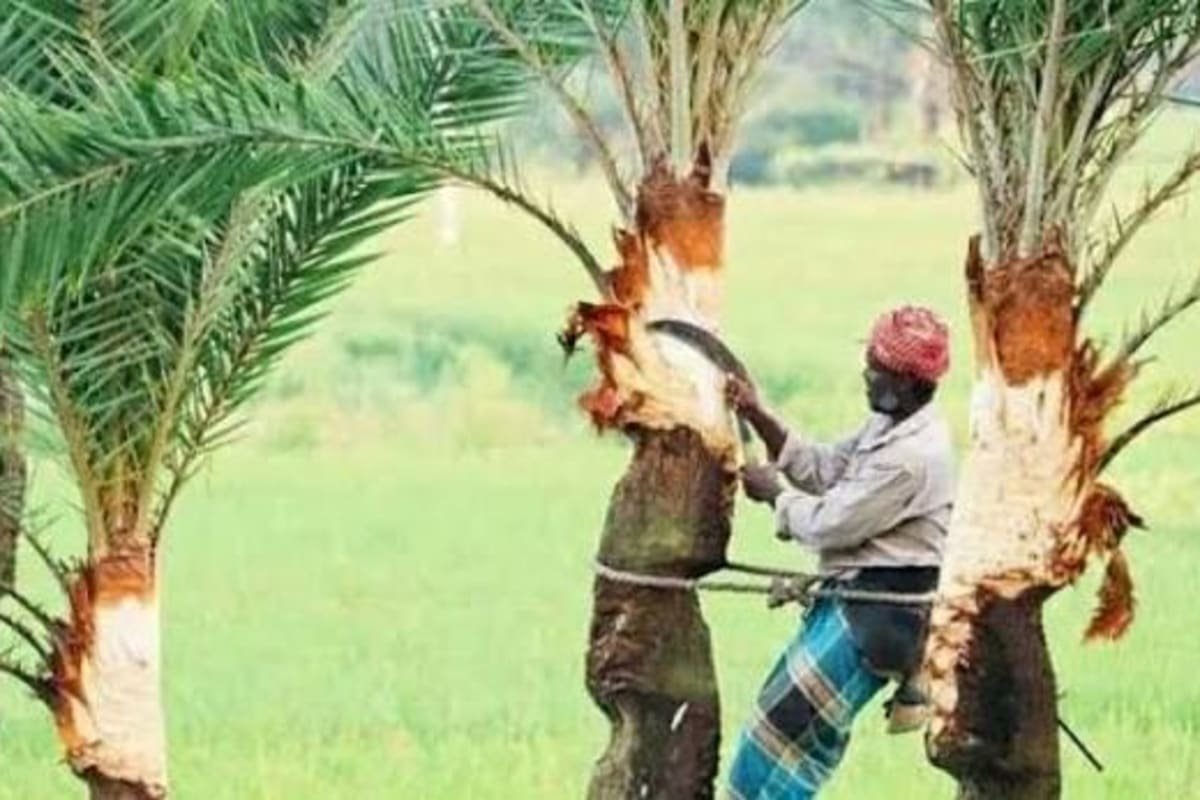
Jashore’s traditional date molasses industry has emerged as a vital economic driver for the district, with farmers targeting a production value exceeding Tk 125 crore this season. As the winter harvest peaks, over 16,000 local farmers are actively engaged in extracting sap from more than 3 lakh date trees to meet the growing demand for this GI-certified product.
Economic Impact and Production
Jashore currently hosts approximately 2.24 million date trees, with 314,908 trees actively tapped for sap production. A workforce of 16,318 farmers and laborers is working toward a production target of 3,150 metric tons of molasses. With the market price averaging Tk 400 per kilogram, the industry is poised to generate a significant economic boost for the rural population.
Challenges Facing the Industry
Despite the economic potential, the profession faces a decline as the younger generation shows little interest in the labor-intensive and hazardous nature of sap collection. Farmers often climb trees using traditional methods without modern safety equipment, exposing them to physical risks. Furthermore, unpredictable weather patterns and a lack of institutional support continue to threaten the sustainability of this centuries-old heritage.
Future Initiatives and Support
Local agricultural authorities have initiated plans to provide special incentives and modern tools to support the traditional sap collectors. Officials have already compiled a list of 300 farmers for immediate assistance, while sustainable agricultural projects are prioritizing female entrepreneurs to improve molasses marketing. These measures aim to modernize the supply chain and ensure the long-term viability of the industry.
Preserving this heritage requires a combination of social security for the farmers and the integration of modern technology, otherwise, this labor-intensive profession risks extinction in the near future.
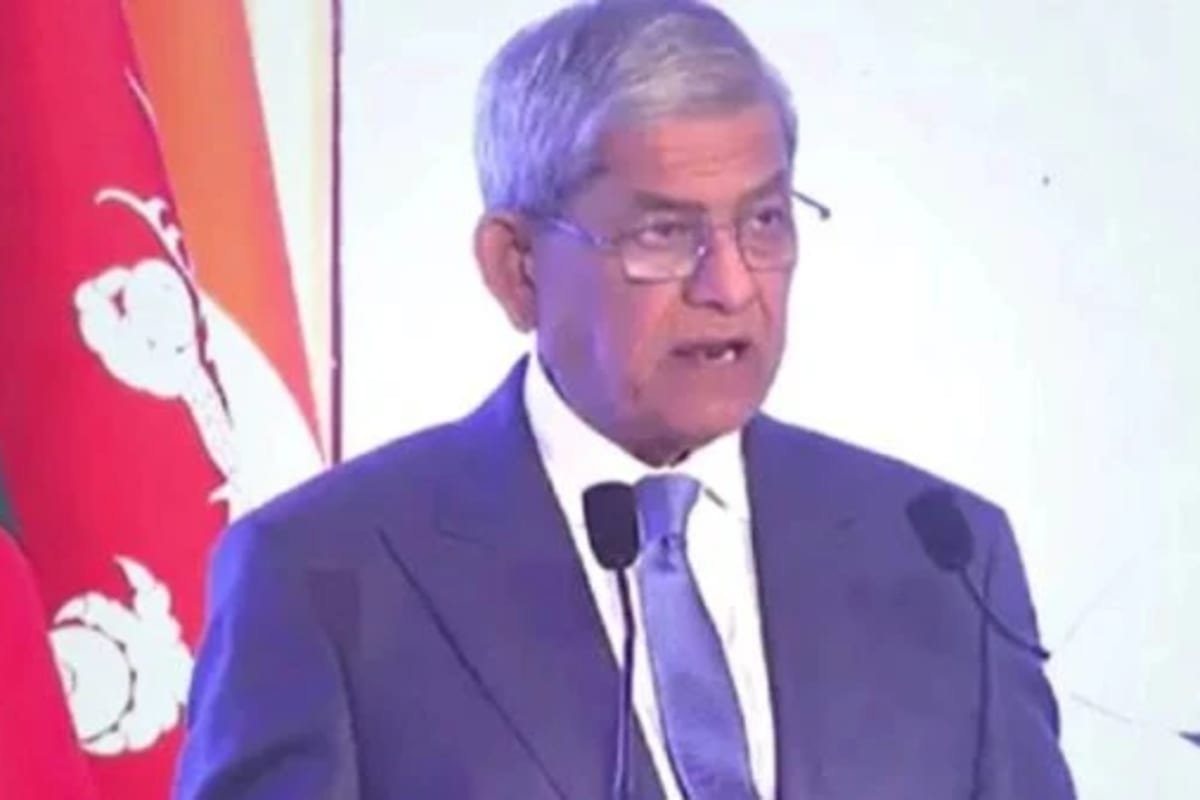
President Mohammed Shahabuddin has revealed that approximately Tk 28 lakh crore was laundered from Bangladesh during the 15-year tenure of the Awami League government between 2009 and 2023. This massive capital flight, which averages nearly $16 billion annually, has been identified as a primary driver of the country’s current economic instability. The revelation highlights the unprecedented financial irregularities that crippled key institutions, including the banking, insurance, and capital market sectors.
According to the 2024 White Paper on the economy, the laundered amount represents roughly 3.5 percent of the nation’s total GDP. This systematic drain of resources severely weakened the country’s financial architecture, leaving the banking sector in a state of crisis. Experts noted that the deliberate dismantling of regulatory oversight created a cycle of corruption that continues to impose a heavy burden on the general public.
Financial Sector Crisis
The scale of the financial mismanagement is further reflected in the alarming rise of non-performing loans. By June 2026, defaulted loans reached Tk 6.07 lakh crore, accounting for nearly one-third of the total credit disbursed. This systemic failure has eroded public trust and hindered the country’s ability to maintain sustainable economic growth.
The government is now implementing stringent measures to prevent further money laundering, curb banking fraud, and recover the siphoned funds. Authorities are prioritizing international standards of transparency and accountability to restore financial stability and attract foreign investment.
Moving forward, the administration aims to restructure the economy by ensuring rigorous oversight of financial institutions. Officials emphasized that regional cooperation, drawing on the vision of collaborative economic growth in South Asia, remains essential to overcoming these deep-seated challenges. The government remains committed to holding those responsible for the financial collapse accountable to ensure long-term economic recovery.
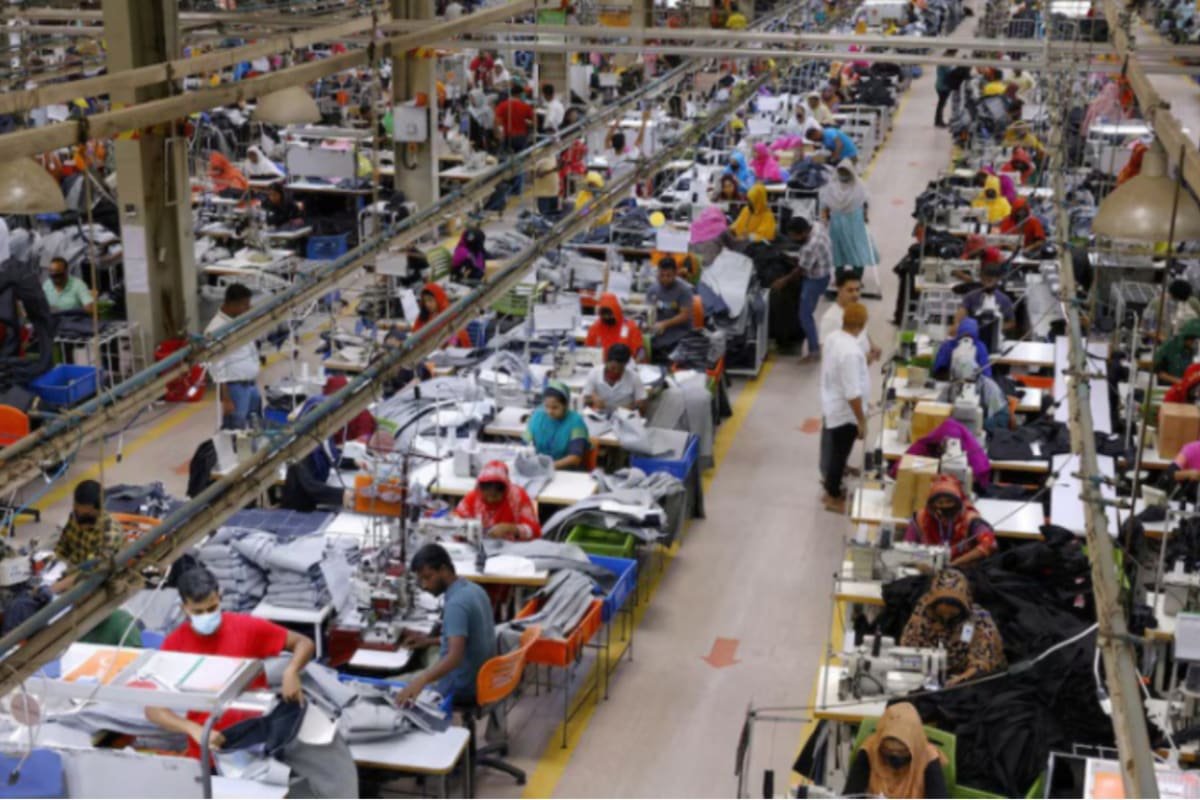
Global fashion giants including Zara and H&M have diverted approximately $400 million in garment orders away from Bangladesh due to persistent labor unrest, production disruptions, and political uncertainty. This shift has significantly benefited India, which has emerged as the primary alternative destination for these major retailers. The loss of these orders poses a severe threat to Bangladesh’s export-oriented economy and the stability of its vital ready-made garment sector.
According to data from Reuters, nearly $254 million in orders were moved from Bangladesh to other countries within the first 18 days of November alone. While India has secured the largest share of these redirected orders, Vietnam, Cambodia, and Indonesia are also gaining traction as reliable manufacturing hubs. This trend highlights a growing concern among international buyers regarding the reliability of the Bangladeshi supply chain.
Factors Driving the Shift
Rising labor costs, energy shortages, and the inability to meet strict delivery deadlines have eroded buyer confidence in the local industry. While Bangladeshi factories typically require 120 days to complete production cycles, competitors in India and Vietnam offer significantly faster turnaround times. This efficiency gap has become a critical disadvantage for Bangladesh in an increasingly competitive global market.
Industry experts warn that the current instability could lead to long-term consequences if buyer trust is not restored immediately. Some factories are currently facing backlogs of 20 to 25 days, further complicating the situation. As a result, Indian textile companies have seen their share prices climb by up to 11 percent, signaling a major expansion in their regional market influence.
“The failure to deliver products on time has made buyers prioritize supply chain reliability over price, creating a dangerous precedent for the future of our garment industry,” an industry analyst noted.
Moving forward, the primary challenge for stakeholders is to ensure political stability and uninterrupted production to prevent temporary order shifts from becoming permanent losses. If the sector fails to address these operational bottlenecks, Bangladesh risks losing its competitive edge in the global apparel market permanently.
-

 Economy15 hours ago
Jashore’s Date Molasses Industry Targets Tk 125 Crore Revenue This Season
-

 Crime and Justice2 days ago
Chinese national arrested for raping 15 women after luring them via TikTok
-

 Crime and Justice2 days ago
Petrol bombs hurled at Grameen Bank branch in Barishal
-

 Crime and Justice18 hours ago
Police Detain 37 Women for Pickpocketing at Azhari’s Mahfil in Rajshahi
-

 Crime and Justice2 days ago
Elder brother murdered by younger sibling over land dispute in Joypurhat