
Politics
India sets two conditions for Sheikh Hasina’s return to Bangladesh

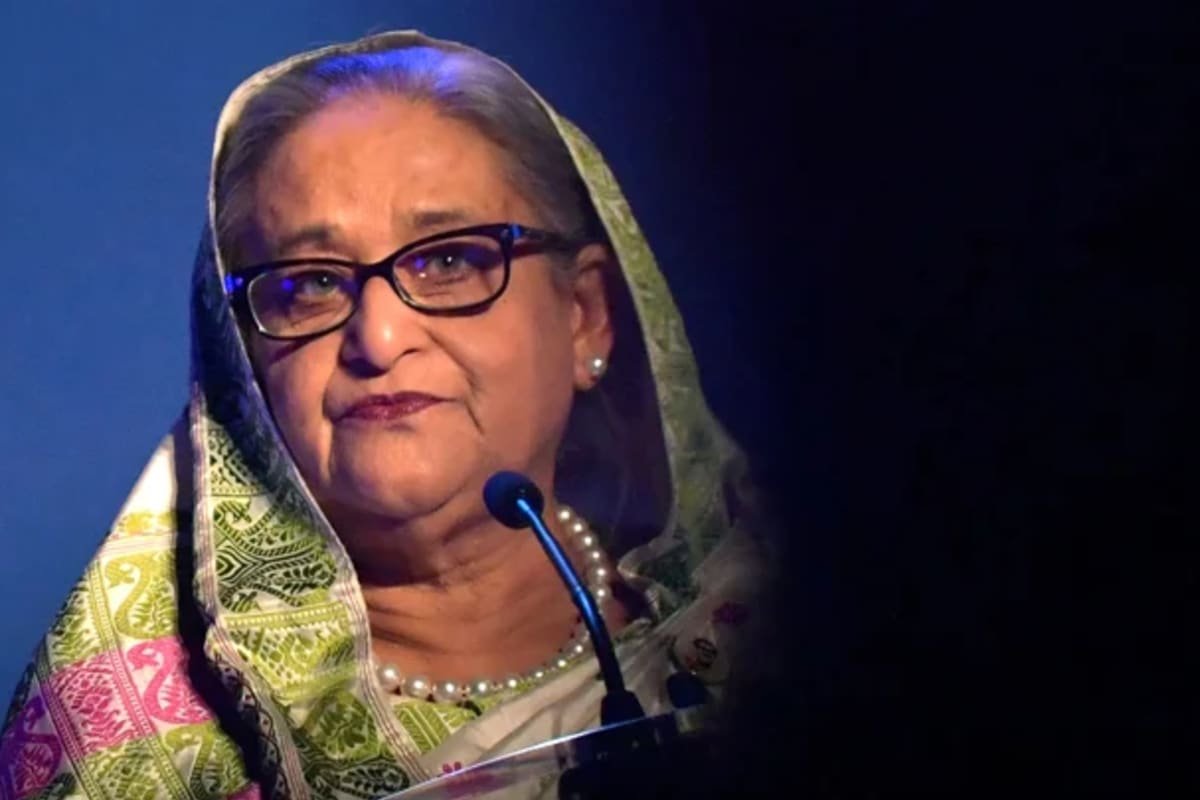
India is engaged in behind-the-scenes diplomatic efforts with the interim government of Bangladesh regarding the potential return of former Prime Minister Sheikh Hasina. New Delhi has reportedly set two primary conditions for her repatriation, insisting that the Bangladesh Army must oversee the process and that she must be guaranteed a fair trial that excludes the possibility of a death sentence. These developments come as regional geopolitical tensions remain high following the political transition in Dhaka.
New Delhi maintains that Hasina should not face summary justice or immediate execution upon her return. Indian officials have indicated a willingness to provide logistical and strategic support for her transfer, provided that the Bangladesh Army coordinates the handover. By involving the military, India aims to ensure a structured transition that avoids the perception of direct interference in the sovereign judicial processes of Bangladesh.
Diplomatic and Legal Hurdles
Despite the ongoing discussions, no formal consensus has been reached between the two nations. While reports suggest Hasina expressed a desire to return by December, analysts believe such a timeline is highly improbable without significant political shifts. The interim government has already rejected recent attempts by her representatives to secure travel documents, signaling a firm stance against her immediate return.
On November 9, a British law firm acting on behalf of Hasina submitted a formal request to the Bangladesh High Commission for the renewal of her passport and national identity card. The interim government promptly rejected this application, marking the first official communication since her departure. This refusal underscores the complex legal and political challenges that continue to complicate any potential repatriation efforts.
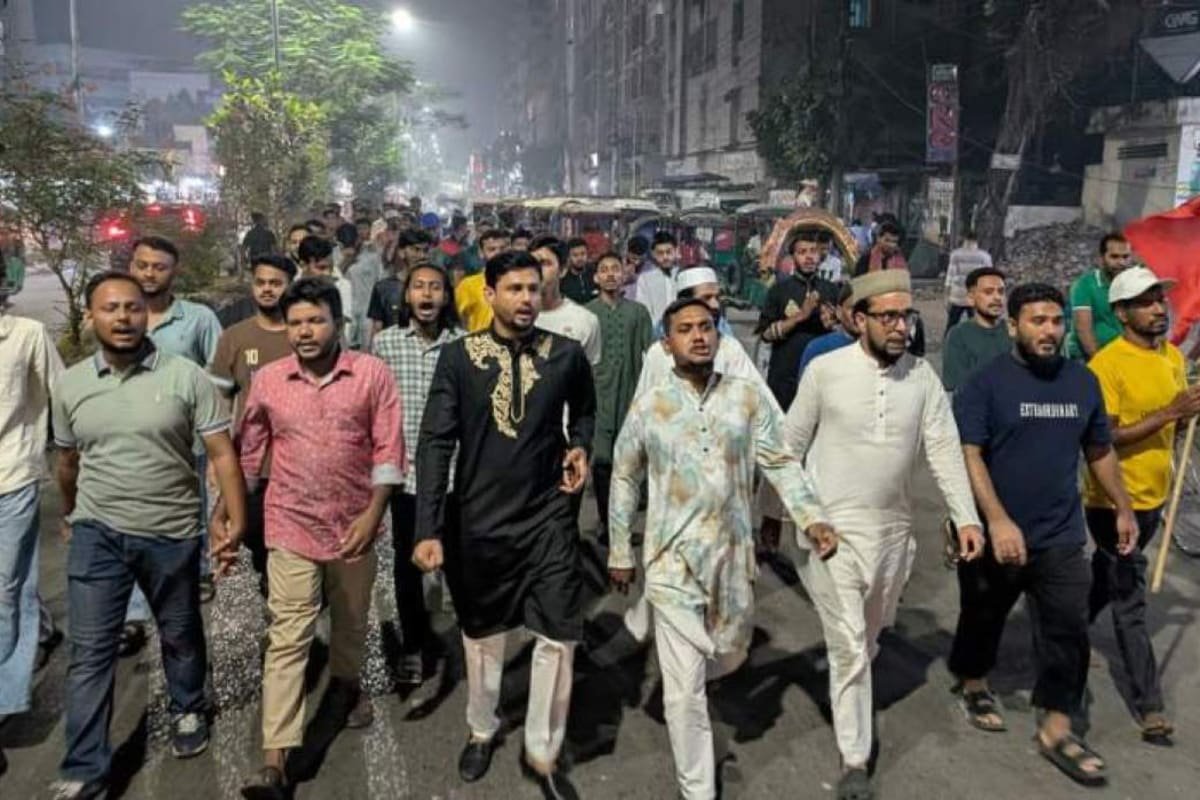
Activists of the Jatiyatabadi Chatra Dal (JCD) staged a midnight protest march and rally at the Dhaka Alia Madrasa campus, condemning the alleged anarchy orchestrated by the Awami League and its student wing. The demonstration, which took place early Saturday, signals rising political tensions ahead of the Awami League’s scheduled programme on November 19.
The protest march commenced around 2:30 am from the Dhaka Alia Madrasa campus. Participants from the JCD Dhaka Metropolitan South unit marched through the Dhaka Medical College Hospital area before concluding the demonstration at the Allama Kashgari (RA) Hall.
Demands for campus stability
JCD leaders alleged that deliberate attempts are being made to undermine democracy and voting rights through widespread anarchy. They strongly criticized the culture of terrorism and political occupation within educational institutions, demanding an immediate restoration of a peaceful academic environment.
We will resist any attempt to disrupt public life through the upcoming political programmes on the streets. The stability achieved through the sacrifices of students and the public will not be compromised under any circumstances.
Future political implications
Political observers view this midnight protest as a reflection of the growing volatility surrounding the Awami League’s eight-point lockdown programme scheduled for November 19. The JCD leadership has warned that they will remain vigilant and united to prevent any activities that threaten national stability or normal public life.
This incident has sparked concern among general students regarding the potential for escalating clashes between opposing political factions. As the date for the announced programmes approaches, authorities remain cautious about the impact these conflicting political activities may have on the overall law and order situation in the capital.
In a historic shift after 85 years, Jamaat-e-Islami has initiated radical constitutional reforms to shed its hardline image and establish itself as a mass-oriented political party. The party plans to form an advisory council comprising non-partisan experts, including former bureaucrats, diplomats, and academics, to guide its leadership on state affairs. This strategic move aims to broaden the party’s appeal beyond its core membership and gain wider public acceptance.
Structural Reforms
Under the proposed changes, the party will integrate professionals into its decision-making process without requiring them to become formal members, known as ‘Rukons’. This advisory body will provide direct counsel to the party Ameer on governance and policy issues. By incorporating diverse expertise, the party seeks to address its organizational limitations and enhance its credibility in sectors such as sports, culture, and journalism.
Strategic Objectives
Jamaat leadership acknowledged that relying solely on party members is insufficient for effective governance or securing broad public trust. The party is now focusing on strengthening its shadow cabinet to offer sustainable solutions rather than merely acting as an opposition force. This shift is part of a long-term preparation to position the organization as a modern, inclusive political entity capable of governing.
Implementation Process
The constitutional amendment committee has submitted its recommendations, which now await approval from the central executive council and the Majlis-e-Shura. Following these internal approvals, the changes will be finalized through a conference of over 125,000 Rukons. If a national gathering proves difficult, the party plans to conduct the process through regional or divisional conferences to ensure the mandate is secured.
Expanding Outreach
To demonstrate its new organizational strategy, the party recently organized a major conference involving over 1,000 representatives from 500 upazilas to bolster its sports wing. This event highlights the party’s intent to engage with various social segments actively. By combining policy reform with grassroots outreach, Jamaat-e-Islami aims to transform its political identity ahead of future electoral challenges.
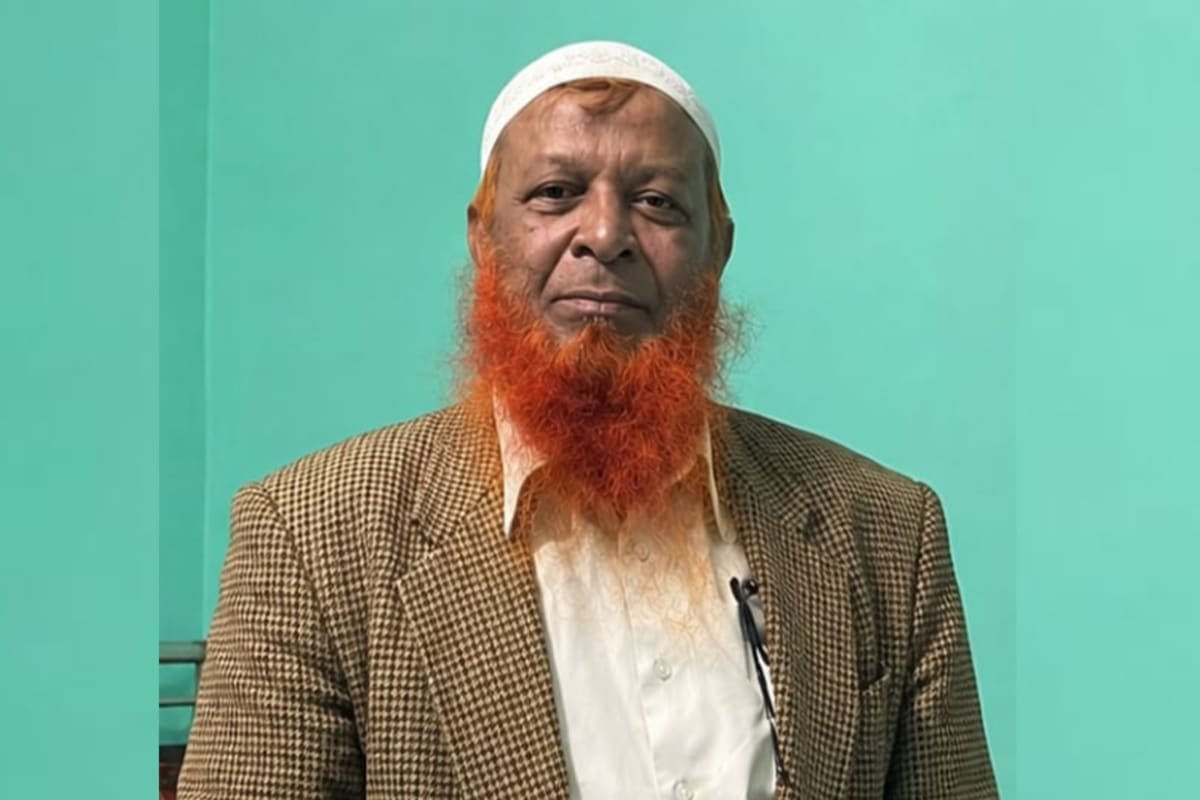
Sadekul Islam, the general secretary of the Workers Party of Bangladesh in Ranisankail upazila, has officially resigned from all party positions and primary membership to join Bangladesh Jamaat-e-Islami. The transition took place during a monthly meeting of the local Jamaat unit on Friday afternoon, marking a significant shift in the local political landscape.
Sadekul Islam, a resident of Kaligaon village in Hosengaon union, serves as an assistant teacher at a local madrasa. His induction into the party occurred at the Ranisankail upazila Jamaat-e-Islami monthly ‘Rokon’ meeting, where he was formally welcomed by local party leaders. This move has sparked widespread discussion regarding the changing political allegiances within the region.
Sadekul Islam stated, “After a long period of reflection, I have realized that the Islamic movement is the correct path to follow.”
District Workers Party President and former Member of Parliament Professor Yasin Ali confirmed that Islam submitted his formal resignation letter on November 10. Ali noted that the former leader had long exhibited leanings toward Islamic ideology, which ultimately influenced his decision to depart from the leftist party.
Impact on local politics
Political analysts are now debating whether this defection will significantly alter the influence of leftist politics in the area. Jamaat-e-Islami has recently intensified its efforts to expand its organizational base through active recruitment drives. The presence of senior district and upazila-level leaders at the induction ceremony underscores the party’s ongoing strategy to strengthen its grassroots presence.
-

 Bangladesh2 days ago
Jashore General Hospital to Launch Kidney Dialysis and CCU Services
-

 Bangladesh1 day ago
Illegal shops built on Rangamati bus shelter, rented for Tk 3 lakh
-

 Bangladesh21 hours ago
Religious Harmony Message Overshadowed by BNP Infighting in Lohagara
-

 Crime and Justice18 hours ago
DB Police Recover Firearms from Former Chhatra League Leader’s Home in Jashore
-
 Crime and Justice17 hours ago
Mongla Port employee arrested in Habiganj for raping 5-year-old girl