
International
Netanyahu Calls for Permanent Elimination of Iran’s Nuclear Threat

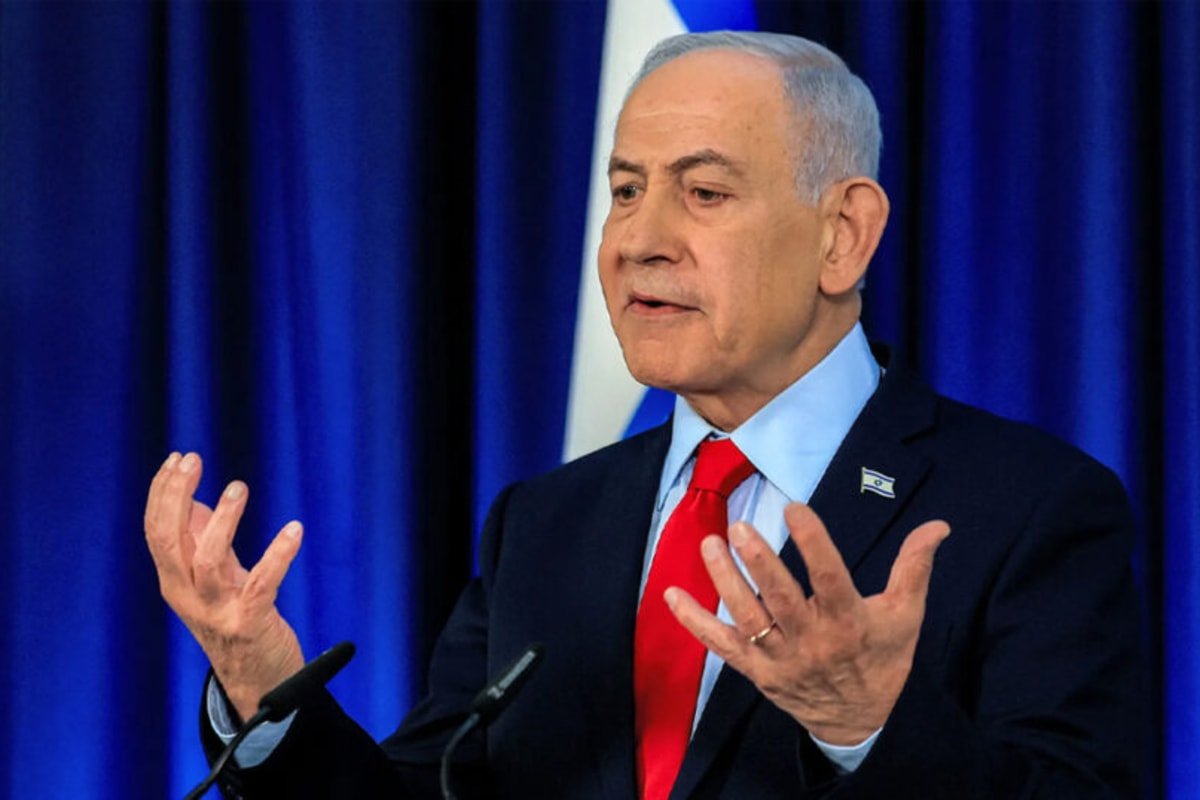
Israeli Prime Minister Benjamin Netanyahu has declared that the time has come to permanently dismantle the nuclear ambitions of the Iranian regime, which he identifies as the primary existential threat to Israel. Speaking on the urgency of the situation, Netanyahu warned that a regime capable of suppressing its own citizens would not hesitate to deploy nuclear weapons against the Jewish state.
Netanyahu asserted that Iran has resumed uranium enrichment activities and is rapidly advancing toward achieving the capability to produce nuclear weapons. He emphasized that the international community must recognize the gravity of this progression, as the regime’s hostility toward Israel remains a central pillar of its foreign policy and military strategy.
Political Consolidation Efforts
Behind this hawkish rhetoric, Netanyahu is actively pushing for the formation of a national unity government to address these security challenges. He argues that a fragmented political landscape leaves the nation vulnerable, insisting that only a strong, unified leadership can effectively counter the existential dangers posed by Tehran.
Prime Minister Benjamin Netanyahu said, “A weak or divided government will fail to confront the Iranian nuclear threat, making political stability our most critical national objective.”
In the recent parliamentary elections, Netanyahu’s Likud party and its allies secured 53 seats, falling short of the 61-seat majority required to form a government. Netanyahu has dismissed the possibility of forming a coalition with the Arab alliance, labeling such a partnership as fragile and dangerous. He continues to advocate for a broad-based coalition to ensure long-term national security and diplomatic resilience.
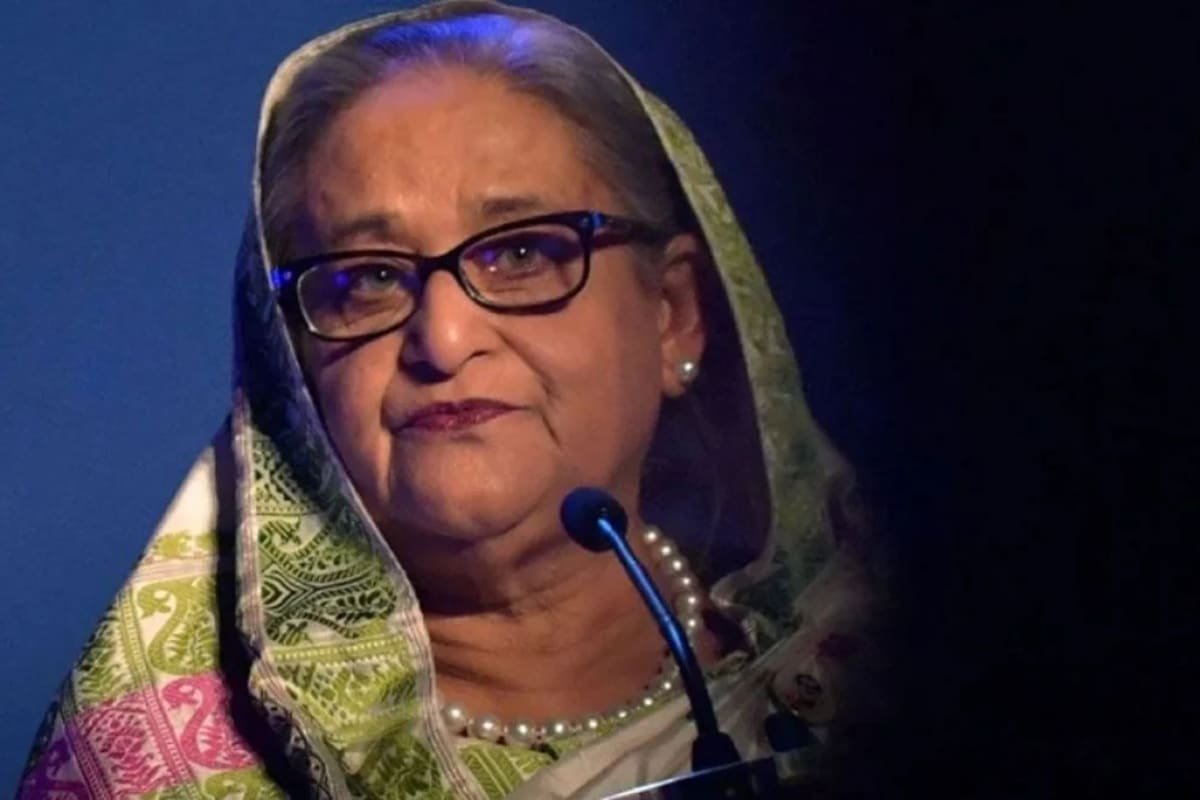
The Indian government has set two specific conditions for the return of former Prime Minister Sheikh Hasina to Bangladesh, focusing on ensuring her legal protection and physical security. New Delhi is reportedly planning to facilitate her return via a military aircraft, provided that Dhaka offers formal guarantees regarding her safety and due process. These demands come as India seeks to navigate the diplomatic complexities of hosting the former leader following the recent mass uprising.
India views the repatriation of the former Prime Minister as a pragmatic solution to avoid international criticism regarding the genocide allegations leveled against her. However, New Delhi remains firm that she should not be handed over as a prisoner, given her status as a long-standing ally. Consequently, India insists that the entire process must be overseen by the Bangladesh military to ensure a controlled transition.
Legal and security safeguards
Beyond military oversight, India has demanded that Sheikh Hasina be granted the right to appeal against any existing death sentences or legal charges. Indian officials emphasize that they are unwilling to facilitate her return if it leads directly to capital punishment. This stance reflects a desire to maintain her legal standing while addressing the political volatility currently surrounding her potential homecoming.
India will not send Hasina back to face execution, as they require ironclad guarantees for her legal protection and military-backed security before taking any further action.
Despite public calls from Dhaka for her return, analysts suggest that the current administration may not be eager to invite further political instability by bringing her back immediately. While there were initial reports of a potential return in December, the complexity of the legal challenges, including the July 2024 massacre allegations, makes such a timeline appear increasingly unlikely. Military officials from both nations remain in contact, but a resolution remains stalled.
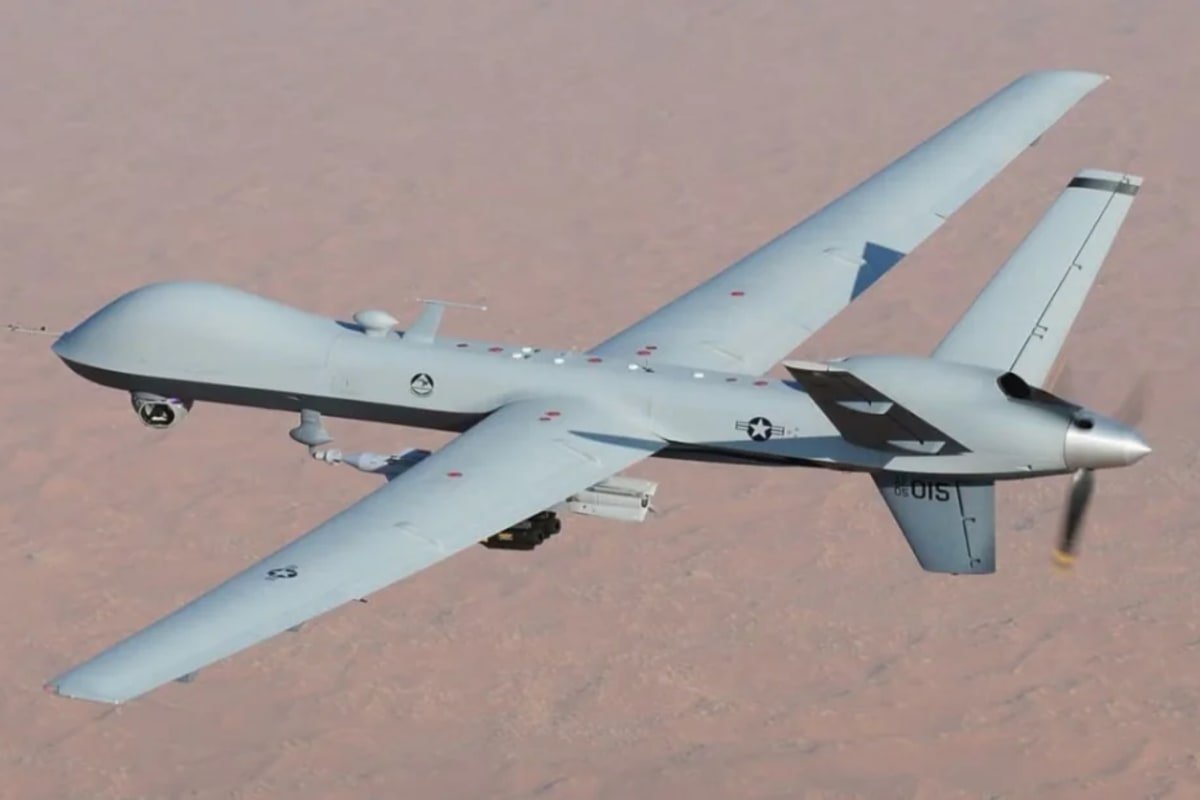
The Iranian Navy shot down a United States MQ-1 Predator drone after it allegedly violated Iranian airspace near the Sirik coast. The incident, which occurred near the strategic Strait of Hormuz, has significantly escalated geopolitical tensions between Washington and Tehran. Iranian air defense networks successfully identified and destroyed the aircraft, signaling a firm stance on national sovereignty.
Strategic Implications
The MQ-1 Predator, manufactured by General Atomics, serves as a primary intelligence, surveillance, and reconnaissance asset for the US Air Force. By neutralizing the high-tech drone, Iran demonstrated the operational effectiveness of its integrated air defense systems. This move serves as a clear warning that Tehran will not tolerate foreign incursions into its sovereign airspace.
Regional Security Concerns
International analysts expressed concern that the downing of the drone could destabilize the Strait of Hormuz, a critical maritime chokepoint for global trade. The incident threatens to disrupt commercial shipping lanes and further deteriorate the already fragile military relationship between the two nations. Observers are now closely monitoring Washington for a potential diplomatic or military response to the loss of its asset.
The downing of the drone marks a volatile new chapter in the long-standing hostility between Iran and the United States, raising the risk of direct military confrontation in the Middle East.
While Iran maintains that the drone violated its territorial integrity, the US administration has yet to issue an official statement regarding the incident. The international community remains on high alert as both sides assess the strategic fallout of this engagement.

At least 23 people, including a large number of college students, were killed in a head-on collision between a minibus and a container truck near Kaziranga National Park in Assam on Friday. The tragic accident occurred as the bus was traveling from Golaghat to Nagaon, prompting a massive rescue operation that remains ongoing. Authorities fear the death toll may rise further as rescue workers continue to extract bodies from the mangled wreckage of the vehicle.
Preliminary investigations suggest that the minibus was traveling at a high speed and violated traffic regulations imposed within the national park zone. Local police officials suspect that the driver lost control of the vehicle, leading to the fatal impact with the oncoming truck. The exact number of passengers on board remains unconfirmed, complicating the search and recovery efforts at the crash site.
Investigation and Response
District authorities have formed a high-level committee to conduct a thorough inquiry into the cause of the collision. The bodies of the victims are being transported to the Shahid Kushal Konwar Civil Hospital in Golaghat for identification and post-mortem examinations. Meanwhile, 20 injured passengers have been rushed to the Kohora Model Hospital and other nearby medical facilities for urgent treatment.
Assam Panchayat and Rural Development Minister Atul Bora visited the site to oversee the rescue operations and coordinate with local officials. The administration is currently reviewing whether the bus adhered to passenger capacity limits and national park traffic laws. This incident has sparked widespread grief and renewed concerns regarding road safety standards and traffic enforcement in the region.
-

 Bangladesh2 days ago
Jashore General Hospital to Launch Kidney Dialysis and CCU Services
-

 Bangladesh1 day ago
Illegal shops built on Rangamati bus shelter, rented for Tk 3 lakh
-

 Bangladesh21 hours ago
Religious Harmony Message Overshadowed by BNP Infighting in Lohagara
-

 Crime and Justice18 hours ago
DB Police Recover Firearms from Former Chhatra League Leader’s Home in Jashore
-

 Crime and Justice17 hours ago
Mongla Port employee arrested in Habiganj for raping 5-year-old girl