
Health
Kuakata hospital runs without doctors, patients return untreated

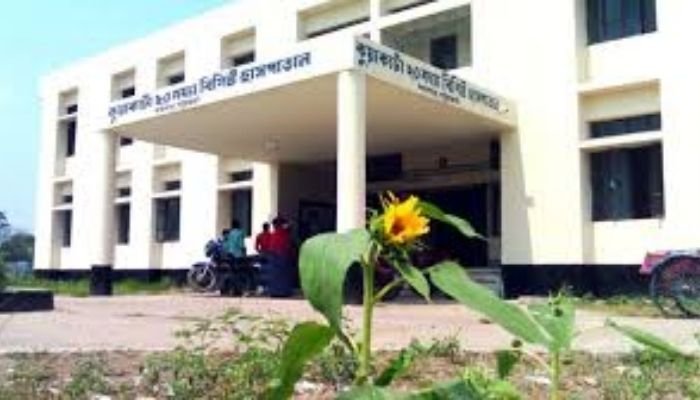
The 20-bed government hospital in Kuakata, Patuakhali, has become completely doctorless once again. After the transfer of its only doctor, Dr. Supriya Das, on September 17, medical services at the hospital have virtually come to a halt. Currently, both the emergency and outpatient departments are being run by a sub-assistant medical officer.
Patients are returning home without treatment. Momtaz Begum (38), from Latachapli Diar’s Amkhola area, said, “I came to see a doctor for my fever, but since there is none, I’ll buy medicine from a pharmacy instead.”
Local resident Hasan said that the hospital has never had full staffing since it opened. As a result, residents of Kuakata municipality and four unions in Mohipur upazila are being deprived of healthcare.
The hospital’s history shows chronic neglect. Its operations began on July 1, 2010, with the posting of the first doctor, Afroza Akbar, who mysteriously went missing in January 2011. After the formal inauguration on February 25, 2012, it functioned intermittently with one or two doctors.
Out of six sanctioned medical posts—including four junior consultants, one residential medical officer, and one medical officer—not a single doctor is currently employed. Of the 17 approved staff positions, 12 remain vacant, while many have been transferred elsewhere.
Hafizur Rahman Akash, president of the “Amra Kuakatabashi” volunteer group, said, “Kuakata is a major tourist destination. Ensuring proper healthcare for tourists and locals is essential. The hospital must be fully staffed immediately.”
Upazila Health Officer Dr. Shankar Prasad Adhikari admitted that there is a severe doctor shortage in Kuakata and nearby areas, adding that the issue has been reported to higher authorities.
Patuakhali Civil Surgeon Dr. Khaledur Rahman Mia confirmed the vacancy and said the problem would be resolved soon.





Why it matters: Research by icddr,b and Stanford University has revealed that toxic lead is leaching from aluminium pots and pans used in Bangladesh into food, creating a severe risk to children’s brain development.
The big picture: There is no effective system to verify the quality of aluminium cookware available in the local market, nor are there specific national standards for the metals used in their production. The aluminium industry, centered in Chattogram, manufactures these pots by recycling old scrap metal, with no technology or institutional obligation to test for the presence of lead.
Between the lines: The study found that during the first use of new pots, up to 305 micrograms of lead per kilogram of rice and 420 micrograms per kilogram of khichuri were detected—levels many times higher than the safety limits set by the US FDA. Scrubbing with steel wool or using metal spatulas can increase the rate of lead leaching by up to five times.
By the numbers: Lead was detected in food cooked in every single pot tested during the research. According to the World Health Organization, no level of lead in the blood is safe, yet children consuming food cooked in these local pots are ingesting more than five times the lead limit set by the FDA.
What’s next: The BSTI has begun the process of including cookware in the list of essential products to establish safety standards. While the Bangladesh Food Safety Authority and BSTI have announced plans for joint operations to ensure quality, the widespread use of aluminium in daily cooking remains a cause for long-term public health concern.
The bottom line: New or shiny pots do not necessarily mean they are safe; food cooked in these vessels made from scrap metal acts as a silent killer for children. Experts and researchers are emphasizing the immediate need for strict standards and increased public awareness.
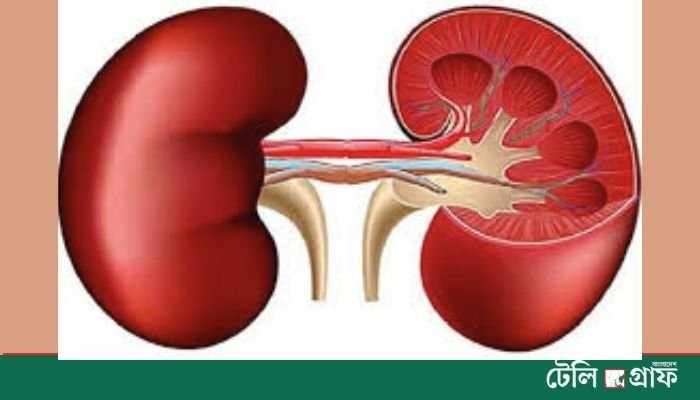
The number of people suffering from kidney disease worldwide has risen sharply, with nearly 800 million patients now affected, according to a recent study published in The Lancet. The report notes that since 1990, the number of cases has doubled, mainly due to failure to detect the disease at an early stage.
Kidney disease is now the ninth leading cause of death globally in 2023, researchers said. Experts warn that reduced kidney function can lead to severe health problems, including heart disease, diabetes, obesity, and high blood pressure.
Statistics show that China has the highest number of kidney patients (152 million), followed by India with 138 million. Other countries with over 10 million cases include the United States, Japan, Brazil, Russia, Bangladesh, and Indonesia, among others.
Doctors say that kidney disease often shows no symptoms in its early stages, but later signs may include fatigue, swelling in the eyes or feet, changes in urination, nausea, itching, weight loss, and shortness of breath.
According to the Times of India, kidney diseases are often detected only in advanced stages. Regular urine tests can help identify the disease early, allowing patients to slow its progression through medication, diet, and lifestyle changes.

Police have recovered the hanging body of a senior staff nurse, Sathi Barua, from the nurses’ changing room at Rangamati General Hospital on Friday (November 7) afternoon.
According to hospital sources, Sathi Barua, 37, was the wife of Suman Barua from Debashish Nagar in Rangamati town’s Ward No. 8. She was the mother of two daughters and had been on night duty the previous evening (Thursday).
Colleagues said that after finishing her shift on Friday morning, Sathi spoke with them and mentioned feeling unwell. A short while later, she went into the nurses’ changing room. When she did not come out for a long time, others peered through the window and found her hanging from a rope.
Police from Rangamati’s Kotwali Station arrived at the scene and recovered the body, which was sent to the hospital morgue for autopsy. Sub-Inspector Md Mostafa Kamal confirmed the recovery, saying the body was found hanging from the window.
Civil Surgeon Dr. Nuyen Khisa Kalbela said preliminary signs suggest suicide, but the exact cause of death will be confirmed after the autopsy report.
Meanwhile, the Buddhist Cultural Promotion Association, Rangamati District, has expressed deep shock and condolences over the untimely death of Sathi Barua.
-
 Crime and Justice21 hours ago
Teenager killed after losing control of motorcycle and hitting palm tree in Kushtia’s Daulatpur
-

 ISLAM12 hours ago
Nusuk app offers opportunity to perform Umrah for free
-

 Crime and Justice21 hours ago
Bangladeshi national injured and detained by BSF in Chuadanga border shooting
-

 Bangladesh8 hours ago
High Court reinstates Adhunagar Union Parishad chairman Nazim Uddin in Lohagara
-

 Politics13 hours ago
Jatiya Nagorik Party holds inauguration and political showdown in Lohagara