
Health
No Birth Certificate Needed for Typhoid Shots in Bangladesh

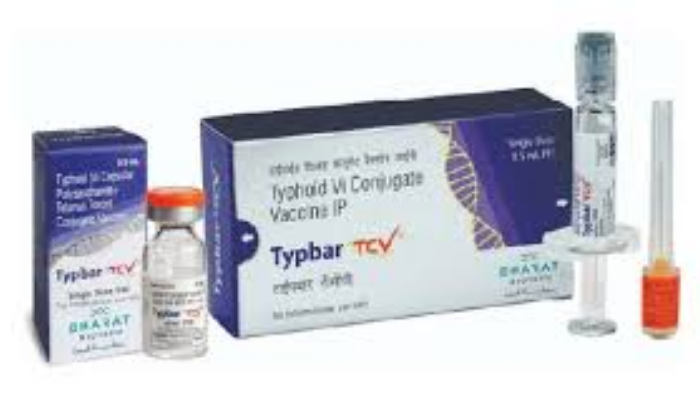
From September 1, Bangladesh will launch a nationwide free typhoid vaccination campaign under the Expanded Program on Immunization (EPI), targeting nearly 50 million children aged between 9 months and 15 years 11 months 29 days. Each child will receive a single-dose injectable typhoid vaccine.
EPI Program Manager Dr. Abul Fazal Md. Shahabuddin Khan said vaccinations will be carried out in school-based camps during the first 10 working days of September. Children absent from the camps or not attending school will have eight additional days to receive the vaccine at EPI centers.
Registration began on August 1 and will continue until the campaign starts. Children without a birth certificate can register using their parents’ mobile number via https://vaxepi.gov.bd/registration/tcv.
Supported by Gavi, the Vaccine Alliance, the shot will protect children for 3–7 years. According to the WHO, typhoid fever is caused by the Salmonella Typhi bacterium, spreads through contaminated food or water, and can be difficult to distinguish from other fevers in its early stages.










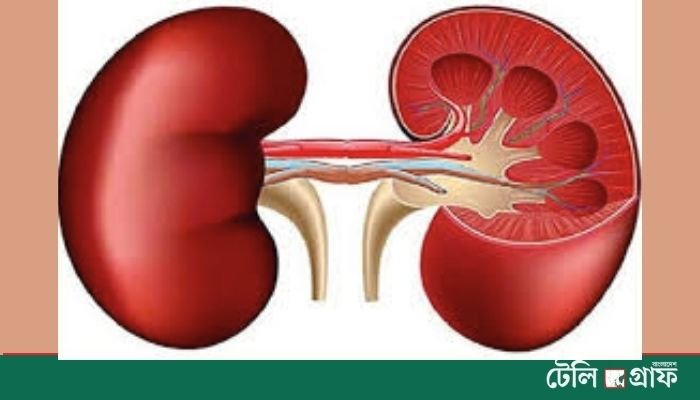
The number of people suffering from kidney disease worldwide has risen sharply, with nearly 800 million patients now affected, according to a recent study published in The Lancet. The report notes that since 1990, the number of cases has doubled, mainly due to failure to detect the disease at an early stage.
Kidney disease is now the ninth leading cause of death globally in 2023, researchers said. Experts warn that reduced kidney function can lead to severe health problems, including heart disease, diabetes, obesity, and high blood pressure.
Statistics show that China has the highest number of kidney patients (152 million), followed by India with 138 million. Other countries with over 10 million cases include the United States, Japan, Brazil, Russia, Bangladesh, and Indonesia, among others.
Doctors say that kidney disease often shows no symptoms in its early stages, but later signs may include fatigue, swelling in the eyes or feet, changes in urination, nausea, itching, weight loss, and shortness of breath.
According to the Times of India, kidney diseases are often detected only in advanced stages. Regular urine tests can help identify the disease early, allowing patients to slow its progression through medication, diet, and lifestyle changes.

Police have recovered the hanging body of a senior staff nurse, Sathi Barua, from the nurses’ changing room at Rangamati General Hospital on Friday (November 7) afternoon.
According to hospital sources, Sathi Barua, 37, was the wife of Suman Barua from Debashish Nagar in Rangamati town’s Ward No. 8. She was the mother of two daughters and had been on night duty the previous evening (Thursday).
Colleagues said that after finishing her shift on Friday morning, Sathi spoke with them and mentioned feeling unwell. A short while later, she went into the nurses’ changing room. When she did not come out for a long time, others peered through the window and found her hanging from a rope.
Police from Rangamati’s Kotwali Station arrived at the scene and recovered the body, which was sent to the hospital morgue for autopsy. Sub-Inspector Md Mostafa Kamal confirmed the recovery, saying the body was found hanging from the window.
Civil Surgeon Dr. Nuyen Khisa Kalbela said preliminary signs suggest suicide, but the exact cause of death will be confirmed after the autopsy report.
Meanwhile, the Buddhist Cultural Promotion Association, Rangamati District, has expressed deep shock and condolences over the untimely death of Sathi Barua.

A new imaging technology, Optical Coherence Tomography (OCT), is transforming the way heart blockages are detected and treated, significantly improving the success rate of angioplasty procedures.
Previously, angioplasty relied on angiography to locate arterial blockages, but it couldn’t reveal the nature or structure of those blockages. Doctors often had to depend on assumptions while placing stents, increasing the risk of future complications.
With OCT, doctors can now obtain highly detailed images of arteries, identifying the exact location and type of blockage — including deposits of calcium, fat, and fibrous tissue. The technology uses light-based imaging to create precise cross-sectional visuals of blood vessels, helping ensure optimal stent placement.
According to Dr. Debdatta Bhattacharya, a cardiac surgeon, “OCT-guided angioplasty allows the stent to open fully, reducing the risk of re-blockage to just 1–2 percent.”
Experts recommend checking whether hospitals offer OCT facilities before undergoing angioplasty, as the technology has drastically enhanced the accuracy and long-term success of the procedure.