
Business
Rice and Onion Prices Stay High in Dhaka as Fish, Vegetables Turn Costlier

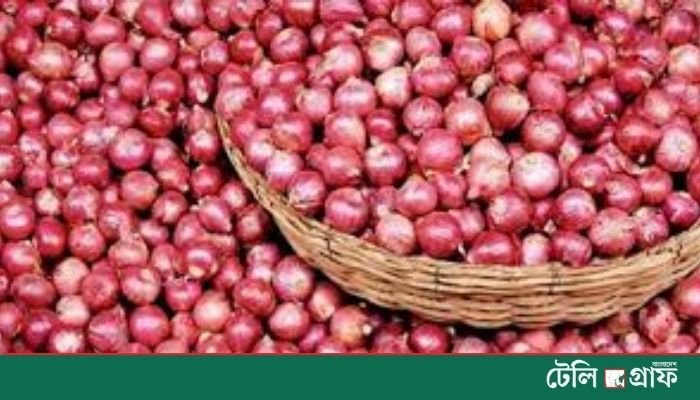
Rice and onion prices have remained high in Dhaka markets for over a month, while the cost of fish and several vegetables continues to rise. Wholesalers are selling rice at no less than Tk 58 per kilogram, while retail buyers are paying between Tk 60 and 65.
During a visit to Karwan Bazar on Friday, coarse rice varieties like Paijam and Atash were found selling for Tk 58–60 per kg, and Miniket for Tk 76–80. Retailers charged at least Tk 5 more. “Prices increased slightly two months ago and haven’t changed since,” said rice trader Belal Hossain.
Onion prices have surged from Tk 80 to Tk 120 per kg in recent weeks. Vendor Al Amin said the rise was due to low supply and suggested that imports may be necessary. In residential areas, onions are being sold for up to Tk 130 per kg.
Meanwhile, potatoes are selling for Tk 20 per kg, while prices of garlic and ginger remain unchanged. Chinese garlic costs Tk 160, local garlic Tk 80–100, Thai ginger Tk 200, and Chinese ginger Tk 180 per kg.
Fish prices have also gone up due to reduced supply. Pangas and tilapia now cost Tk 190–200 per kg, pabda Tk 400, and rui between Tk 280 and 350.
Vegetable prices show mixed trends. Potol, snake gourd and okra sell for Tk 50–60 per kg, while cauliflower and cabbage are Tk 30 each. Eggplants range between Tk 50 and 100, long beans between Tk 80 and 90, and bottle gourds between Tk 50 and 60.
Prices of eggs, chicken, and meat have remained stable. A dozen eggs sell for Tk 130, broiler chicken for Tk 170 per kg, beef for Tk 750, mutton for Tk 1,200, and goat meat for Tk 1,100.












The traditional aromatic sweet chili of Hathazari, grown in the Halda River basin, is now reaching international markets as exports to the Middle East begin. Renowned for its unique fragrance, vibrant color, and mild heat, this heritage crop has become a prized ingredient for culinary experts both domestically and abroad. The expansion into global markets marks a significant milestone for local farmers, opening new avenues for foreign currency earnings.
Known locally as ‘Halda Morich,’ these chilies thrive in the fertile loamy soil along the riverbanks. Farmers typically harvest between 1.5 to 2 metric tons per hectare each season, providing a stable source of income for the local agricultural community. Due to its premium quality, the chili often commands a price 50 to 100 taka higher than common varieties, with market rates ranging from 350 to 600 taka per kilogram.
Challenges to Heritage Varieties
Despite its widespread fame, the traditional variety faces threats from declining seed quality and reduced pest resistance after years of continuous cultivation. Many farmers are increasingly shifting toward hybrid seeds, which puts the indigenous heritage variety at risk of extinction. Agricultural experts warn that preserving the genetic purity of the original Hathazari chili is essential to maintaining its unique market value.
Government Initiatives and Future Prospects
The Department of Agricultural Extension has initiated efforts to register the Hathazari chili as a Geographical Indication (GI) product. Authorities are currently overseeing intensive cultivation on 22 bighas of land to provide farmers with modern technical training and support. Proper branding and the development of local processing industries are expected to establish this traditional crop as a powerful global brand.
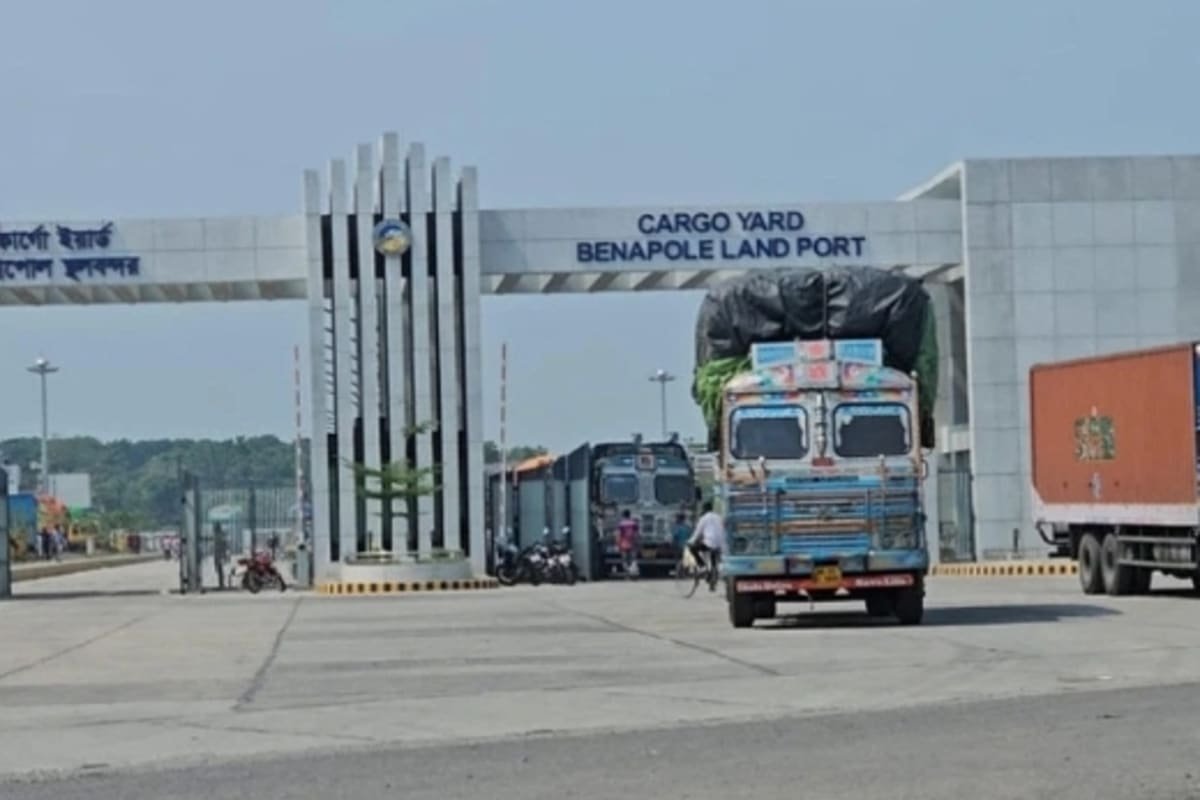
Why it matters: Due to public holidays in India for Diwali and Kali Puja, import-export operations at the Benapole-Petrapole land port are completely suspended on Monday, causing a temporary halt in trade supply between the two countries.
The big picture: Although the movement of goods-laden trucks between India and Bangladesh has been stopped since Monday morning, internal administrative activities at the Benapole Customs House and the port remain normal. At the same time, the movement of passport-holding passengers through the Benapole International Checkpost continues without any hindrance.
Between the lines: The Petrapole Port Clearing Agents Staff Welfare Association had previously informed Bangladeshi traders about the suspension of trade through a letter. Since operations at the Petrapole port and customs were closed from Sunday afternoon, it was not possible to unload or transport goods on Monday.
By the numbers: Every day, approximately 300 to 350 trucks carrying goods enter Bangladesh from India through the Benapole port, while 100 to 150 trucks travel from Bangladesh to India. The government earns about 100 million BDT in revenue daily from this port, a large portion of which depends on import-export trade.
What’s next: Leaders of the relevant business associations have confirmed that import-export operations between the Benapole and Petrapole ports will resume on Tuesday morning. Acting Director of the port, Ruhul Amin, stated that the unloading of goods-laden trucks currently stuck at the port is ongoing, and regular commercial activities will commence from Tuesday.
The bottom line: This one-day break due to religious festivals will not have a major impact on the commercial sector, as passenger movement and internal office work at the port remain operational.
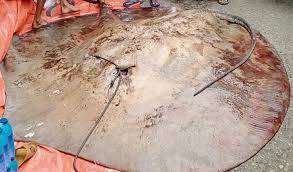
A rare Shapla Pata fish weighing 10 maunds (approximately 370 kg) was caught in the nets of fishermen in Hatiya, Noakhali, creating significant excitement among locals. The fish was auctioned on Thursday at Danardol fish market in Burirchar Union, selling for Tk 131,000 — despite the species being legally prohibited for capture and trade.
The fish was caught late Wednesday night near a gas well in the Meghna estuary. It became trapped in the behundi net of fisherman Kamal Majhi, known locally as “Malaysia Majhi.” The weight of the catch was so unusual that the 15 fishermen aboard were unable to pull the net up on their own, prompting the crew to seek help from a nearby boat. With combined effort, the massive fish was eventually hauled aboard and taken to the local fish market.
Local trader Khabir Uddin purchased the fish at auction, saying that Shapla Pata fish has strong demand in major markets, and he expects to earn a profit of around Tk 20,000.
However, Hatiya Upazila Fisheries Officer Md. Fayzur Rahman clarified that the Shapla Pata fish is listed as an endangered species under Bangladesh’s wildlife conservation law, making it illegal to catch or sell. He stressed that the species plays an important role in preserving marine biodiversity.
Despite the legal restrictions, the capture and sale of the fish sparked widespread discussion across the area.
-

 Bangladesh1 day ago
Railways suspend Benapole and Khulna-Dhaka train services over security concerns
-

 Bangladesh1 day ago
Lohagara begins data collection for family cards amid transparency concerns
-

 Bangladesh2 days ago
20 Youths in Rangamati Gain Self-Reliance Through Livestock Training
-

 Politics2 days ago
Sheikh Hasina Announces Return to Bangladesh on December 16
-

 Politics1 day ago
Gopalganj Awami League places 8-point demand including reopening of police stations