
People and Culture
Three Quakes in Two Days: Death Toll Rises to 10 Across Bangladesh


A series of earthquakes over two consecutive days has left at least 10 people dead in Dhaka, Narsingdi and Narayanganj, with more than 400 injured across the country. The first quake, recorded at 10:38am on Friday (21 November), measured 5.7 on the Richter scale and is being described as one of the strongest in recent decades. Its epicentre was located in Madhabdi of Narsingdi.
Less than 24 hours later, another tremor of magnitude 3.3 struck Palash in Narsingdi at 10:36am on Saturday. In the evening, two more quakes were felt in the capital—one measuring 3.7 at 6:06:04pm and a second measuring 4.3 just a second later. According to the Meteorological Department, both originated in Dhaka’s Badda area.
The repeated tremors have triggered widespread panic among residents. Many of Friday’s injuries occurred when chunks of concrete fell from buildings or as people rushed downstairs in fear.
Experts warn that Bangladesh remains highly vulnerable to seismic activity due to its location at the junction of three major tectonic plates: the Indian Plate, the Eurasian Plate and the Burma Microplate. Multiple active fault lines running across the country—including those stretching from Sylhet to the Chattogram Hill Tracts and around Dhaka-Narsingdi-Gazipur—are increasing the likelihood of frequent moderate quakes being strongly felt.


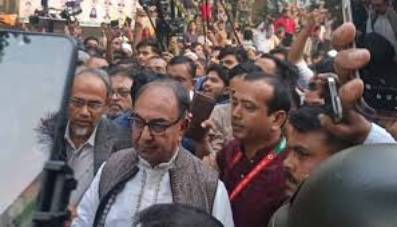



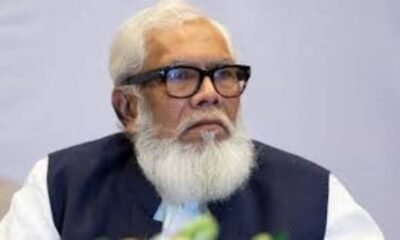



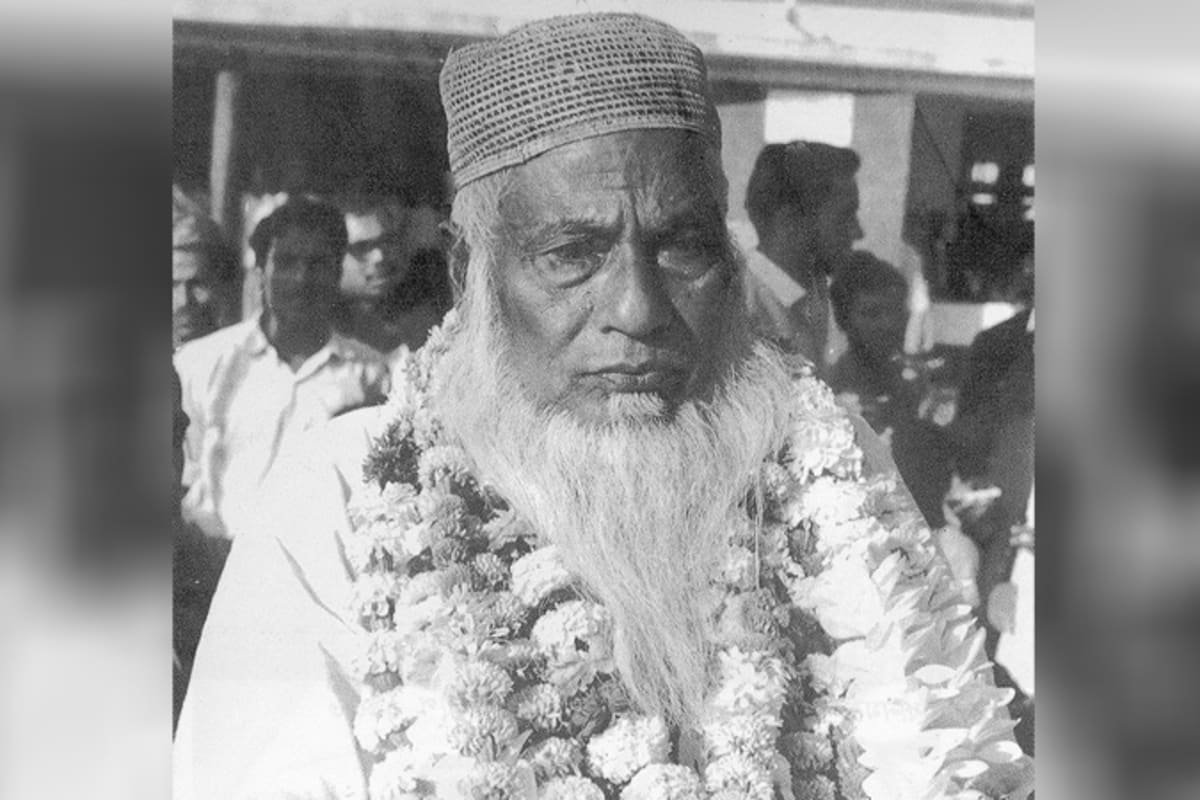
The nation observes the 50th death anniversary of Maulana Abdul Hamid Khan Bhashani today, honoring the legendary leader who served as the voice of the oppressed from the anti-British movement to the struggle for Bangladesh’s independence. Political parties, social organizations, and educational institutions have organized various programs in Dhaka and Tangail to pay tribute to the iconic leader. Bhashani passed away on November 17, 1976, while undergoing treatment at the PG Hospital in Dhaka.
Born in 1880 in Sirajganj, Maulana Bhashani spent most of his life in Santosh, Tangail, where he remains laid to rest. Known for his uncompromising political stance, he prioritized public interest and justice over political power throughout his career. As the founding president of the Awami Muslim League in 1949, he remained a staunch advocate for the rights of farmers, laborers, and the landless until his final days.
Legacy of a People’s Leader
Bhashani’s political strength stemmed from his deep connection with the masses and his relentless fight against class discrimination. Despite his religious education, he transcended sectarian boundaries to dedicate his life to social and political reform. During the 1971 Liberation War, he played a pivotal role in building international support for Bangladesh’s independence and served as an advisor to the wartime government.
Following the independence of Bangladesh, Bhashani continued to challenge government policies that he deemed detrimental to the public interest. He consistently raised his voice for food security and economic equality, maintaining his role as a moral compass for the nation. His life remains a distinct and luminous chapter in the political history of Bangladesh, representing the dream of a society free from exploitation and inequality.
To mark the occasion, the Bangladesh Nationalist Party (BNP) formed a national committee to coordinate commemorative activities alongside various political and social groups. Meanwhile, the Maulana Bhashani Science and Technology University concludes its seven-day traditional ‘Bhashani Mela’ today with a closing ceremony at the campus.
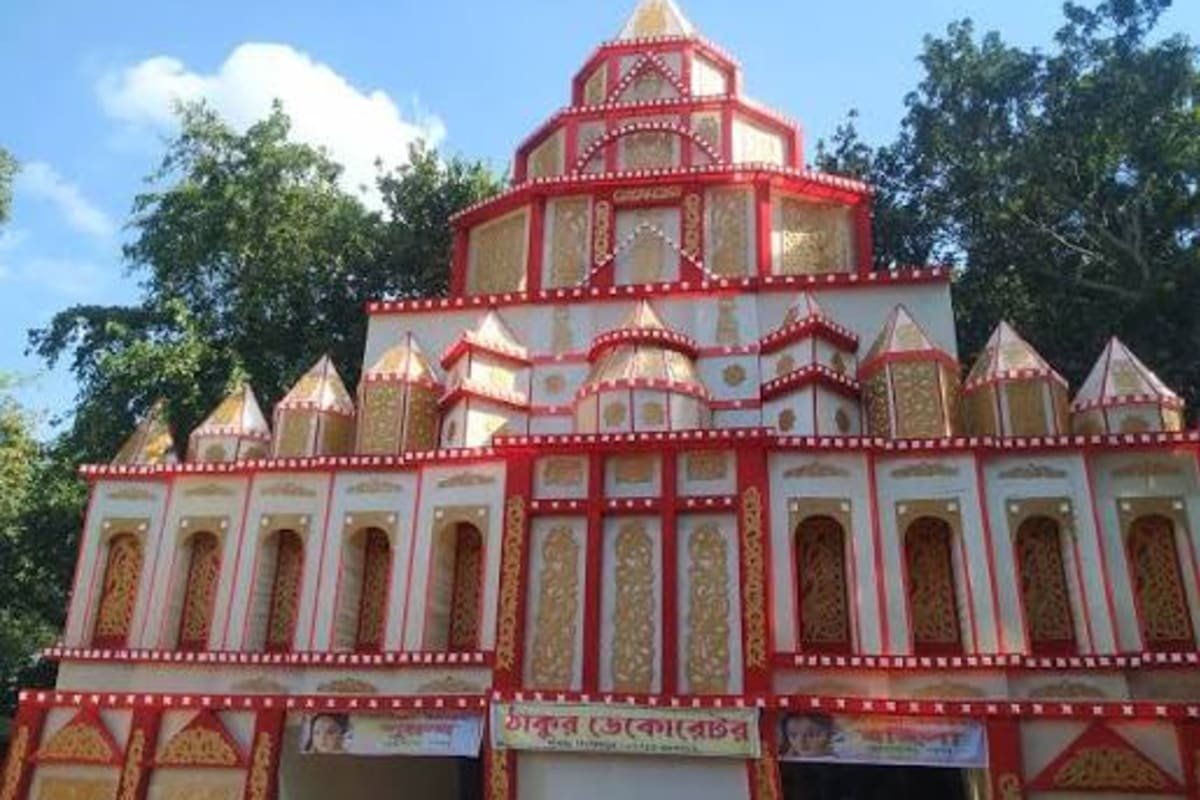
The five-day Katyayani Puja began in Magura on Sunday, transforming the entire town into a vibrant hub of festivities. The celebration has evolved beyond a religious observance for the Hindu community into a universal festival that brings together people of all faiths across the district. Elaborate pandals and stunning illuminations reflecting ancient architectural heritage have adorned the city to mark the occasion.
According to the Magura District Puja Celebration Council, this year’s festivities are being held across 106 mandaps. Held exactly one month after Durga Puja, the event has grown significantly in scale and popularity, often surpassing the grandeur of the autumn festival. It now stands as the primary cultural celebration for the residents of the district.
Historical Evolution
Initiated in 1950 by a local grocer named Satish Majhi, the puja was initially confined to a few neighborhoods. Over the past four decades, the festival has expanded remarkably, becoming an integral part of Magura’s unique cultural identity. Organizers noted that while the religious rituals conclude on November 20 with the immersion of idols, the spirit of the festival continues to thrive.
Festivities and Security
While the main rituals span five days, the traditional fairs at Noya Bazar and Chhanar Bottola will continue for an additional week. Organizers expect hundreds of thousands of visitors to attend these gatherings. To ensure a peaceful environment, the district administration and law enforcement agencies have implemented stringent security measures to accommodate the influx of devotees and tourists from across the country.
People and Culture
National women’s boat race in Narail celebrates rural heritage and festive spirit


Female rowers from 16 teams have breathed new life into the lost traditions of rural Bengal by participating in the National Women’s Boat Race held on the Afra River in Narail.
Why it matters: This event serves as a significant milestone in promoting the culture and rural tourism of riverine Bangladesh on the global stage, while also encouraging women’s empowerment and participation.
The big picture: The competition took place on Saturday afternoon on the Afra River in Shekhahati Union of Narail Sadar Upazila, where thousands of people gathered on both banks of the river to enjoy the festivities. Organized by the Bangladesh Tourism Corporation, the spontaneous participation of local women in this competition was remarkable.
Between the lines: The primary objective of this event is not merely entertainment, but to showcase the rural beauty and heritage of Bangladesh to domestic and international tourists. The presence of the Prime Minister’s Special Assistant on Health, Dr. S. M. Ziauddin Haider, along with the local Member of Parliament and top administrative officials, further underscored the importance of the event.
What’s next: The team led by Mukta Adhikari from Guakhola village secured first place, while the teams led by Babita Sarkar and Rina Biswas secured second and third places, respectively. Organizers stated that such competitions will help develop the local tourism industry and there are plans to expand its scope in the future.
The bottom line: The participation of women in the traditional boat race of rural Bengal has proven that women are now leading from the front in preserving rural sports and culture. The event concluded in a festive atmosphere with the distribution of prizes among the winners, creating a new sense of enthusiasm in the local life of Narail.
By the numbers: A total of 16 boats with female rowers participated in the competition, having demonstrated their skills through long periods of hard work and practice. Thousands of people gathered on both banks of the river for the afternoon event, which is expected to play a positive role in boosting the local rural economy.
-

 Bangladesh2 days ago
Railways suspend Benapole and Khulna-Dhaka train services over security concerns
-

 International2 days ago
Former Defense Contractor Claims Aliens Are Living Among Humans on Earth
-

 Crime and Justice2 days ago
Fake Stamp Racket Surfaces at Jashore Sub-Registry Office
-

 Bangladesh2 days ago
PM Tarique Rahman to visit Jashore and Kushtia on December 2
-

 Economy2 days ago
Attacks on 104 Grameen Bank Branches Force Closure of 29 Outlets