
International
Turkish FM Hakan Fidan to Arrive in Dhaka to Elevate Strategic Ties

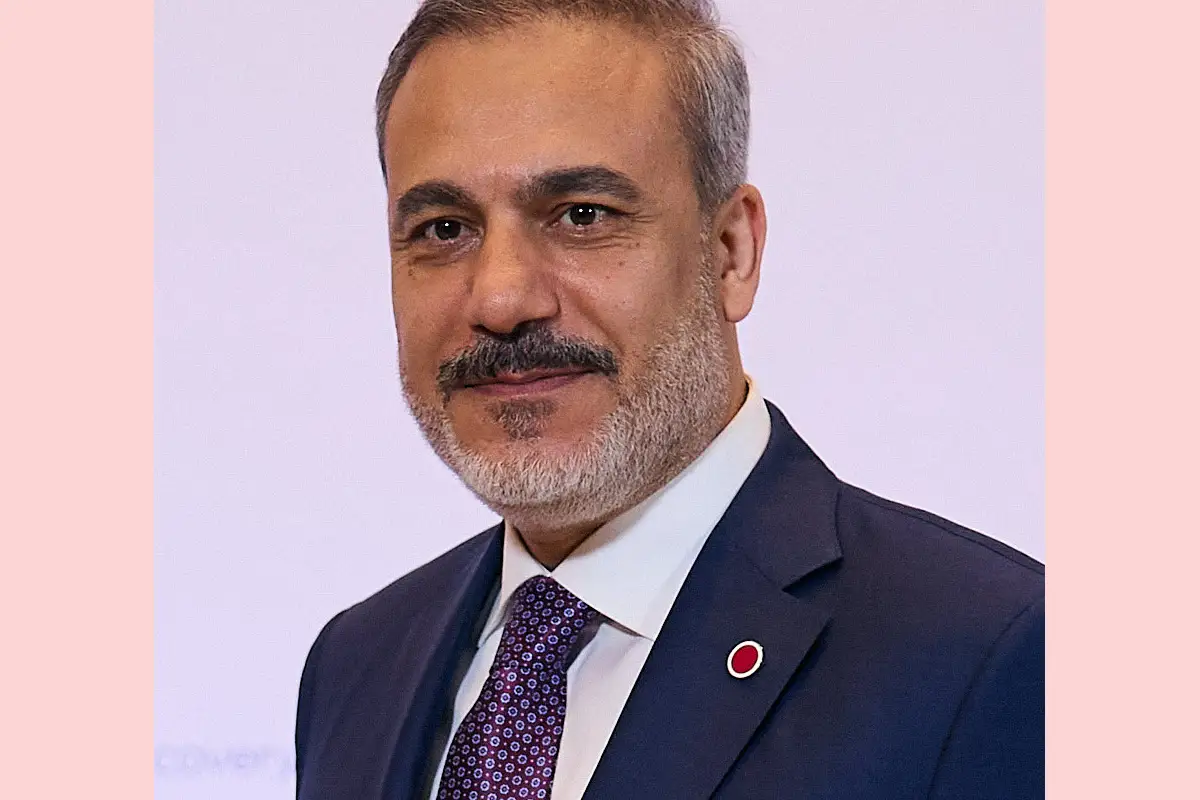
Turkish Foreign Minister Hakan Fidan kicks off a three-day official visit to Dhaka on June 4, looking to shift the relationship from standard trade into a serious defense and political alliance.
Why it matters:
This trip is a big deal for a few reasons. It is the first time a Turkish foreign minister has visited Bangladesh since December 2020. More importantly, it is the first high-level visit from a major partner since Prime Minister Tarique Rahman’s BNP-led government took office. Ankara is moving fast to engage with the new administration, showing a clear intent to lock in its influence in South Asia.
The big picture:
Turkey no longer sees Bangladesh as just a market for goods or a source of labor. The real goal here is to expand defense cooperation and build a lasting political partnership. Both nations want to align their foreign policies to present a united front on the global stage. This visit builds directly on Bangladesh Foreign Minister Dr. Khalilur Rahman’s trip to Ankara in April, where the groundwork for these bigger plans was laid.
Between the lines:
While the official statements talk about diplomatic courtesy and economic growth, the quiet focus is on military hardware. Ankara wants to sell advanced defense technology to Bangladesh as Dhaka modernizes its armed forces. Additionally, Turkey has been a vocal supporter of Bangladesh during the Rohingya crisis. Fidan might visit the refugee camps in Cox’s Bazar to get a firsthand look at the situation, proving Turkey’s ongoing political backing.
By the numbers:
- 3: The number of days Fidan will be in Bangladesh.
- 5.5: Years since the last official visit by a Turkish Foreign Minister to Dhaka.
- 2: The major meetings scheduled before seeing the PM, sitting down with Foreign Minister Dr. Khalilur Rahman and State Minister Shama Obaed Islam.
What’s next:
The visit wraps up on June 6 with a pivotal meeting between Fidan and Prime Minister Tarique Rahman. During this sit-down, expect the two leaders to nail down agreements that speed up investments and finalize new defense deals. They are also expected to get on the same page regarding Middle Eastern conflicts, especially Gaza.
The bottom line:
Ankara is not wasting any time building ties with Dhaka’s new leadership. By putting defense and political alignment ahead of basic commerce, this visit marks a serious new chapter in Turkey-Bangladesh relations.
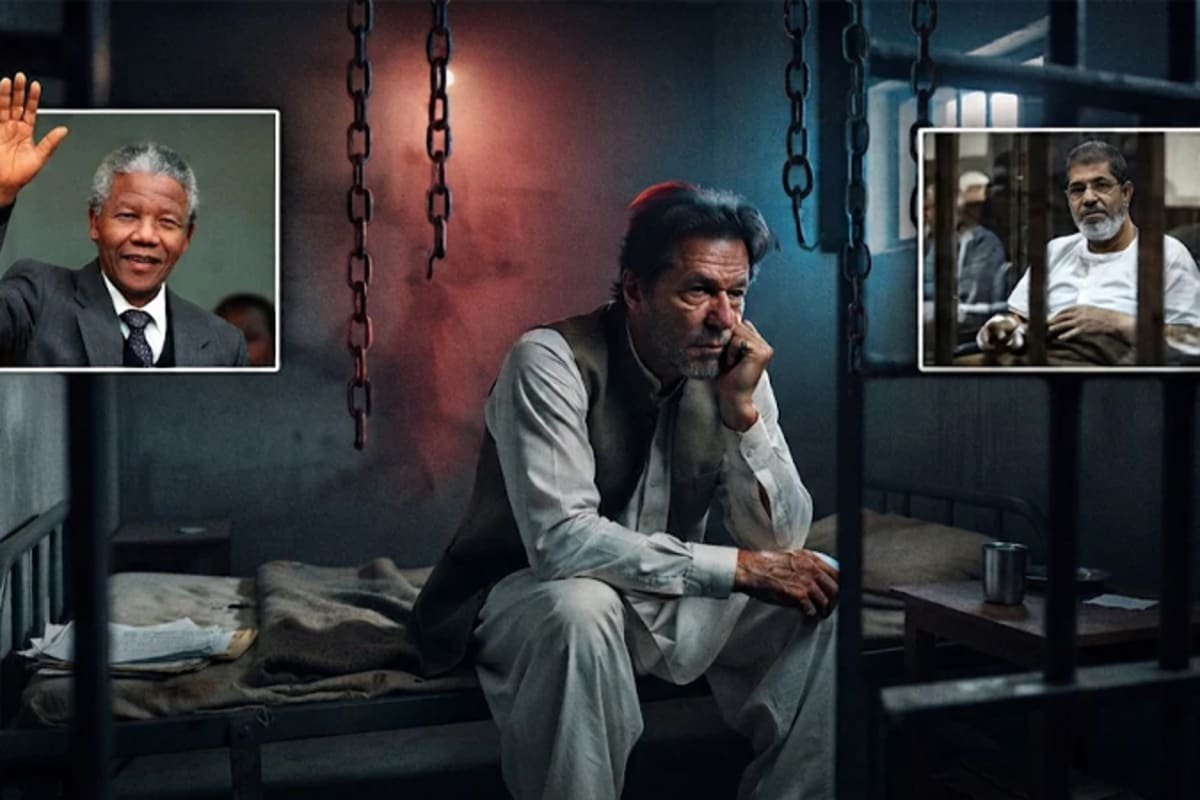
Former Pakistani Prime Minister Imran Khan faces severe health risks due to prolonged solitary confinement and lack of medical care, raising concerns about his future. His imprisonment has pushed Pakistan into a state of political uncertainty, drawing comparisons to the resilience of Nelson Mandela or the tragic demise of Egypt’s Mohamed Morsi. International observers warn that his deteriorating condition could trigger widespread instability within the nation.
Since his ouster in 2022, Khan has cultivated a massive grassroots movement against military influence and political persecution. Despite being incarcerated, his popularity remains undiminished, establishing him as the primary symbol of resistance against the current Pakistani establishment. His supporters continue to view his detention as a calculated effort to dismantle his political influence.
Conditions of Confinement
According to reports submitted to the Supreme Court of Pakistan, Khan is held in solitary confinement for 22 hours daily. Medical experts have warned that the lack of specialized care could lead to life-threatening complications, including cerebral hemorrhage or cardiac arrest. While authorities have officially denied these allegations, the lack of transparency regarding his health continues to fuel public anxiety.
Historical Parallels
Khan’s imprisonment evokes two starkly different historical outcomes. Nelson Mandela endured 27 years of incarceration before emerging to lead his nation toward democracy. Conversely, Egypt’s Mohamed Morsi died in a courtroom while in custody, allegedly due to medical negligence. Analysts suggest that Khan’s current trajectory remains caught between these two historical precedents, depending heavily on the state’s treatment of his health.
Future Implications
The silence from the international community and human rights organizations has further complicated the situation. Experts warn that any untoward incident involving Khan could push Pakistan’s fragile democracy toward a potential civil conflict. Ultimately, Khan’s fate serves as a critical test for human rights and democratic norms, determining the future political direction of the country.
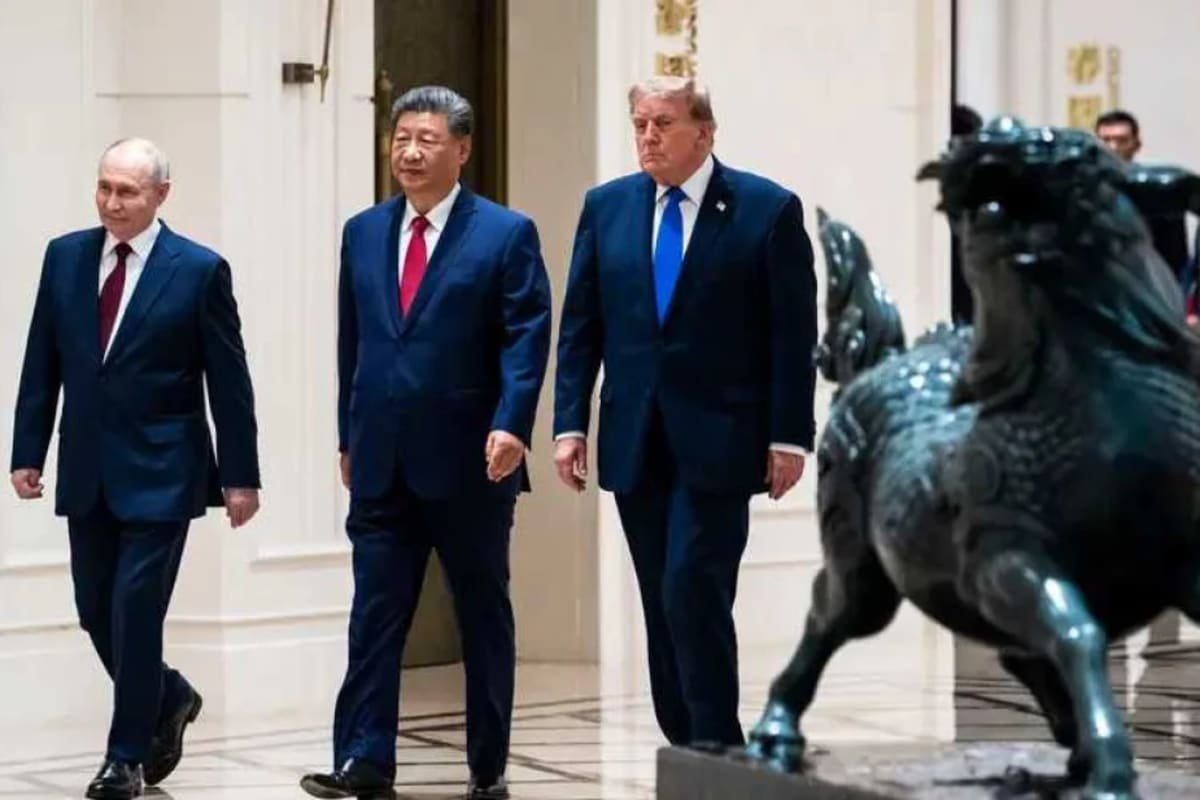
In a historic diplomatic breakthrough, the leaders of the United States, China, and Russia convened in Shenzhen to adopt a joint peace declaration aimed at ensuring global stability and reducing nuclear risks. The unprecedented trilateral meeting, held on the sidelines of the APEC summit, marks the first time the heads of the world’s three largest nuclear powers have committed to a unified framework for international security.
The closed-door session at Kailin Villa lasted approximately 90 minutes and focused on de-escalating geopolitical tensions. US President Donald Trump described the event as a moment of historic significance, while Chinese President Xi Jinping emphasized the collective responsibility of the three nations in maintaining world peace. Russian President Vladimir Putin addressed shared concerns regarding food and energy security amidst ongoing regional conflicts.
Key Pillars of the Declaration
The joint declaration calls for significant reforms within the United Nations and addresses the stability of global petroleum supplies. The leaders also issued a cautionary note regarding the jurisdiction of the International Criminal Court, urging the body to avoid the misuse of its authority. Furthermore, the nations reaffirmed the principle that a nuclear war cannot be won and must never be fought, pledging to maintain open channels for dialogue.
US President Donald Trump said, “This is a moment of history in the making.”
This meeting marks a notable shift in global diplomacy, particularly as it follows a two-decade gap in direct high-level engagement between the US and Russian leadership. The discussions prioritized the reduction of nuclear arsenals and the mitigation of existential risks. While the commitment to regular dialogue is a positive step, the international community remains cautious about the practical implementation of these promises regarding the conflicts in Ukraine and Iran.
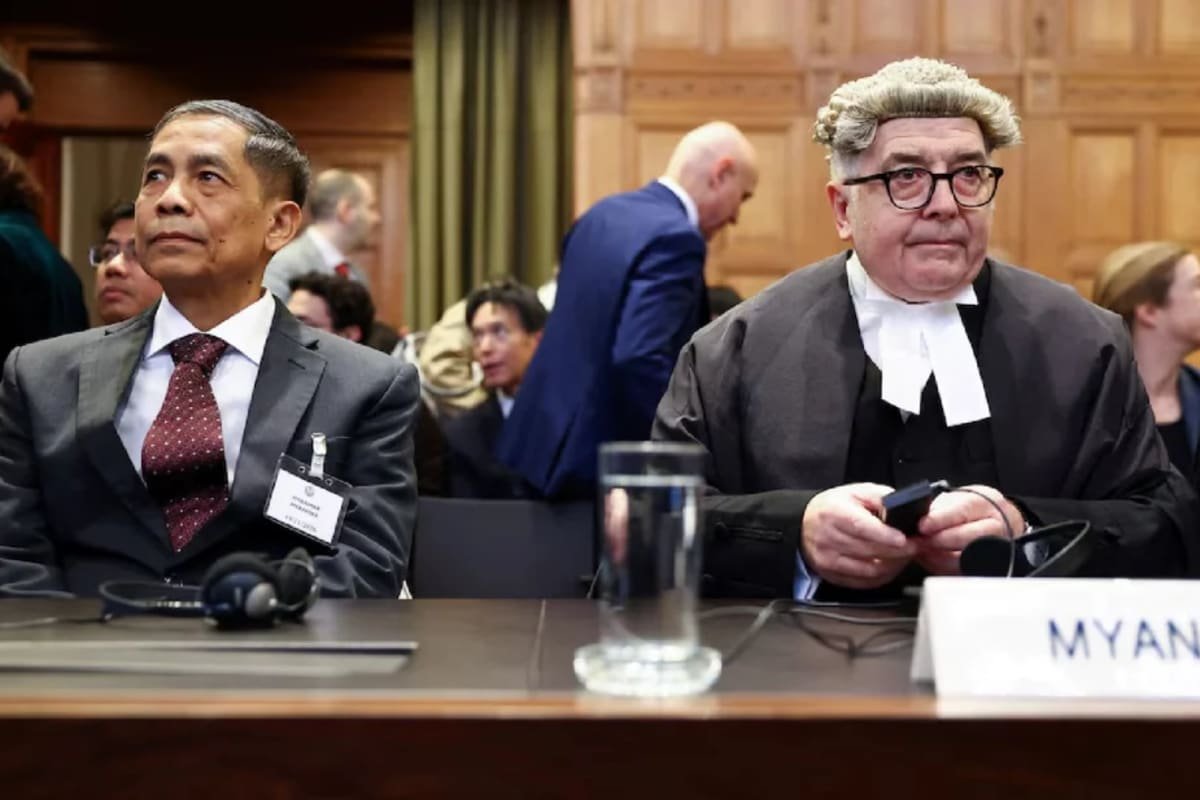
The International Court of Justice (ICJ) has delivered a landmark ruling, officially declaring that Myanmar committed genocide against the Rohingya population during military operations in Rakhine State in 2017. This historic verdict marks a significant milestone in international law, formally recognizing the atrocities perpetrated by the Myanmar military as a systematic attempt to destroy the ethnic group in violation of the Genocide Convention.
ICJ President Yuji Iwasawa reported that Myanmar forces killed approximately 10,000 Rohingya during the campaign. The court determined that the primary objective of these operations was the destruction of the Rohingya community, which constitutes a direct breach of the Convention on the Prevention and Punishment of the Crime of Genocide.
Evidence of Systematic Atrocities
While Myanmar authorities consistently claimed the military operations were defensive measures against insurgent attacks, the court rejected this defense. The judges observed that soldiers engaged in widespread sexual violence, the torture of children, and the systematic burning of villages. These findings confirm that the state-sponsored campaign was a pre-planned effort to commit crimes against humanity.
The court’s ruling serves as a definitive legal condemnation of the state-sponsored violence, mandating that Myanmar must now initiate investigations and hold perpetrators accountable for their actions.
Legal Obligations and Future Implications
The court ordered Myanmar to take immediate, effective measures to ensure the safe, voluntary, and dignified repatriation of displaced Rohingya to their homes. Additionally, the ruling mandates that the state provide appropriate reparations to the affected Rohingya victims. Although the ICJ lacks an enforcement mechanism, the verdict significantly increases diplomatic and moral pressure on the Myanmar government.
During the proceedings, nine judges voted in favor of the genocide ruling, while six judges dissented. Myanmar’s representative, Ko Ko Hlaing, had argued that the military actions were necessary to suppress terrorism. However, the court’s final decision underscores that the international community now views these actions as state-sanctioned crimes, setting a critical precedent for future accountability.
-
 Crime and Justice2 days ago
Violent Mob Attacks Police Station and Lawmaker’s Residence in Gopalganj
-
 Crime and Justice1 day ago
4 Killed in Nationwide Violence as Security Tightens Across Bangladesh
-

 Politics1 day ago
BNP Stages Massive Protest Rally in Abhaynagar Against Awami League
-
Crime and Justice2 days ago
Itna Jamaat leader accused of property embezzlement and forgery
-
 Bangladesh1 day ago
Embankment collapse in Satkhira’s Pratapnagar threatens 40,000 residents