
International
World Leaders Hail Gaza Peace Breakthrough Brokered by Trump

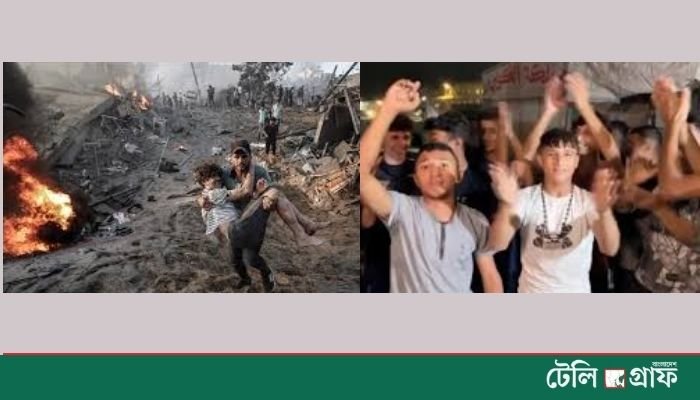
Hours after U.S. President Donald Trump announced that Israel and Hamas had agreed to implement the first phase of his Gaza peace plan, leaders around the world expressed optimism for a lasting end to the two-year war. Many hailed the development as a historic step toward peace and urged both sides to uphold their commitments.
According to the agreement, Hamas will release 20 Israeli hostages within days, while Israel will free a number of Palestinian prisoners and begin withdrawing troops from most parts of Gaza. Trump wrote on his social media platform Truth Social: “This means that soon all hostages will be free, and Israel will return its troops to an agreed boundary. This is the first step toward a strong, sustainable, and lasting peace.”
Israeli Prime Minister Benjamin Netanyahu posted on social media, “With God’s help, we will bring everyone home.
Global Leaders Respond
Turkey:
Turkish President Recep Tayyip Erdoğan, who played a key mediating role, welcomed the deal and thanked Trump, as well as Qatar and Egypt, for their diplomatic efforts. Erdoğan stated that Turkey would closely monitor the implementation and continue contributing to the peace process. He also expressed solidarity with the Palestinian people, calling the deal “a long-awaited ray of hope.”
France:
French President Emmanuel Macron described the agreement as “a message of hope for the hostages, the people of Gaza, and the entire region.” He praised the mediators and urged strict compliance with the deal. Macron announced that Paris would soon host a meeting of European and Arab foreign ministers to discuss Gaza’s future, expressing hope that this marks “the beginning of a two-state political solution.”
United Nations:
UN Secretary-General António Guterres welcomed the agreement, saying the UN would help ensure full implementation and enhance humanitarian relief in Gaza. “This is a historic opportunity to end the occupation, recognize Palestinians’ right to self-determination, and move toward a two-state solution,” he said.
Canada:
Canadian Prime Minister Mark Carney said he was “relieved” to know that hostages would soon reunite with their families. He called the deal “a step toward a just and lasting peace” and thanked Qatar, Egypt, and Turkey for their mediation.
Argentina:
Argentine President Javier Milei announced that he would nominate Donald Trump for the Nobel Peace Prize, saying, “No other leader has achieved such success in advancing global peace.”
Malaysia:
Malaysian Prime Minister Anwar Ibrahim said the deal offered “a glimmer of hope” after months of unbearable suffering, urging all parties to seize the moment to build a comprehensive and lasting peace.
Japan:
Japanese Chief Cabinet Secretary Yoshimasa Hayashi called the deal “a vital first step” toward calm and a two-state solution. He praised the tireless efforts of mediators and reaffirmed Japan’s commitment to humanitarian and reconstruction aid for Gaza.
Australia:
Australian Prime Minister Anthony Albanese described the agreement as “a light of hope,” saying it broke “an eight-decade cycle of violence and despair.”
United Kingdom:
British Prime Minister Keir Starmer called for the immediate lifting of all barriers to humanitarian aid entering Gaza, saying, “This is a moment of immense relief for families of hostages and civilians in Gaza.” He commended the U.S., Egypt, Qatar, and Turkey for their persistent diplomacy.
Italy:
Italian Prime Minister Giorgia Meloni hailed the accord as “extraordinary news” and a “rare opportunity to end the conflict.” She called on all sides to respect the deal and swiftly implement the next phases of Trump’s peace plan.
New Zealand:
New Zealand Foreign Minister Winston Peters said the agreement marked “an essential first step toward lasting peace,” urging Hamas and Israel to fully implement their commitments.
India and Pakistan:
Indian Prime Minister Narendra Modi expressed hope that the release of hostages and increased humanitarian aid would “ease suffering and pave the way toward lasting peace.”
Pakistani Prime Minister Shehbaz Sharif called the agreement “a historic opportunity” to end Gaza’s suffering and praised Trump’s leadership, as well as the mediating roles of Qatar, Egypt, and Turkey








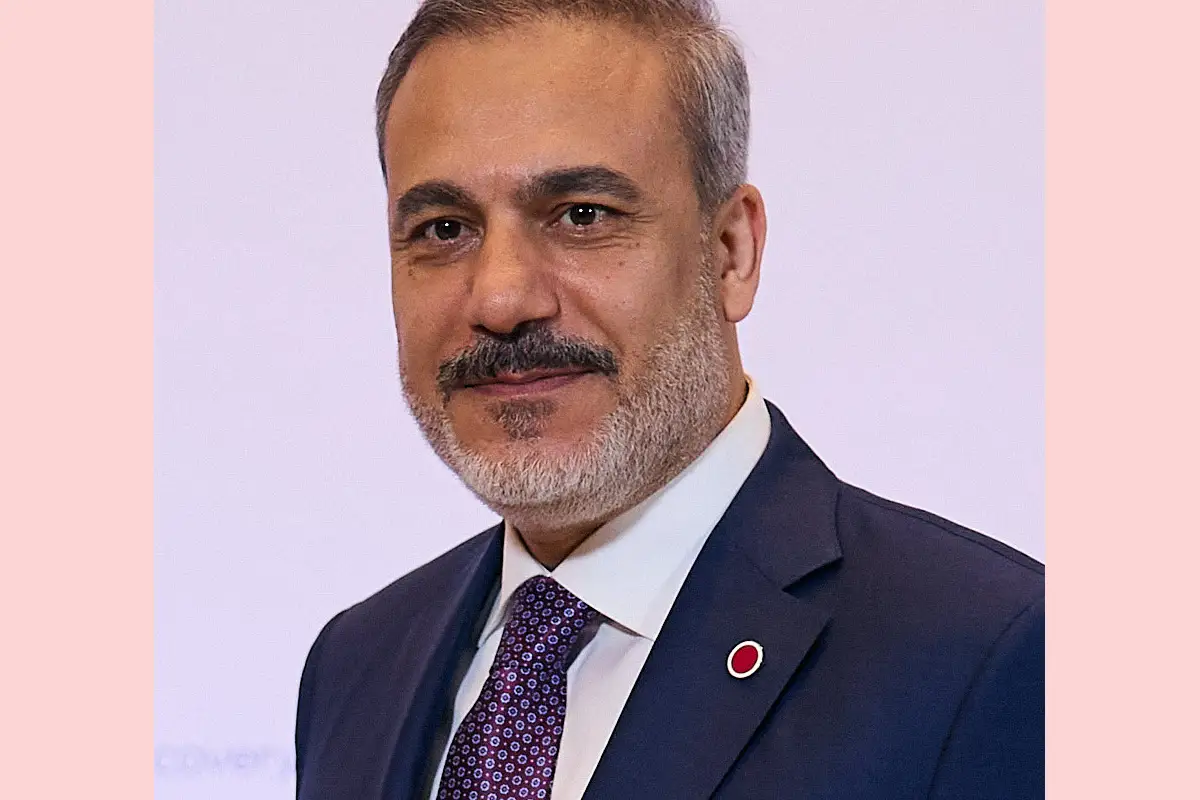
Turkish Foreign Minister Hakan Fidan kicks off a three-day official visit to Dhaka on June 4, looking to shift the relationship from standard trade into a serious defense and political alliance.
Why it matters:
This trip is a big deal for a few reasons. It is the first time a Turkish foreign minister has visited Bangladesh since December 2020. More importantly, it is the first high-level visit from a major partner since Prime Minister Tarique Rahman’s BNP-led government took office. Ankara is moving fast to engage with the new administration, showing a clear intent to lock in its influence in South Asia.
The big picture:
Turkey no longer sees Bangladesh as just a market for goods or a source of labor. The real goal here is to expand defense cooperation and build a lasting political partnership. Both nations want to align their foreign policies to present a united front on the global stage. This visit builds directly on Bangladesh Foreign Minister Dr. Khalilur Rahman’s trip to Ankara in April, where the groundwork for these bigger plans was laid.
Between the lines:
While the official statements talk about diplomatic courtesy and economic growth, the quiet focus is on military hardware. Ankara wants to sell advanced defense technology to Bangladesh as Dhaka modernizes its armed forces. Additionally, Turkey has been a vocal supporter of Bangladesh during the Rohingya crisis. Fidan might visit the refugee camps in Cox’s Bazar to get a firsthand look at the situation, proving Turkey’s ongoing political backing.
By the numbers:
- 3: The number of days Fidan will be in Bangladesh.
- 5.5: Years since the last official visit by a Turkish Foreign Minister to Dhaka.
- 2: The major meetings scheduled before seeing the PM, sitting down with Foreign Minister Dr. Khalilur Rahman and State Minister Shama Obaed Islam.
What’s next:
The visit wraps up on June 6 with a pivotal meeting between Fidan and Prime Minister Tarique Rahman. During this sit-down, expect the two leaders to nail down agreements that speed up investments and finalize new defense deals. They are also expected to get on the same page regarding Middle Eastern conflicts, especially Gaza.
The bottom line:
Ankara is not wasting any time building ties with Dhaka’s new leadership. By putting defense and political alignment ahead of basic commerce, this visit marks a serious new chapter in Turkey-Bangladesh relations.
International
Mamata Banerjee Accuses BSF of ‘Pushing Indian Citizens into Bangladesh’, Calls for State Police Action.

West Bengal Chief Minister Mamata Banerjee has leveled serious allegations against the Border Security Force (BSF), claiming that Indian citizens are being forcibly pushed into Bangladesh. During an administrative meeting with local officials in Cooch Behar on Monday, she criticized the BSF’s activities along the India-Bangladesh border as “excesses.”
The Chief Minister instructed the state police to “be a little more active” and “focus on Naka (check post) operations,” urging them not to be afraid of taking action.
Mamata Banerjee emphasized that Cooch Behar is a border district where law and order must be maintained, and “no excesses will be tolerated.”
Linguistic Identity and Harassment
Addressing allegations of harassment against residents, the Chief Minister strongly rejected the idea of linking language to nationality. She clarified the distinction: “Just because someone speaks Bengali does not make them a Bangladeshi. Bangladesh is a country and West Bengal is a state.”
She further drew parallels with Urdu and Punjabi speakers across the India-Pakistan border, asserting that West Bengal residents should not face harassment based on their language or identity. The Chief Minister’s strong remarks come amid ongoing political tensions regarding citizenship laws in the border regions.
International
Slaughter in Sudan: RSF Attack on Kindergarten Kills 46 Children, Death Toll Rises to 114.
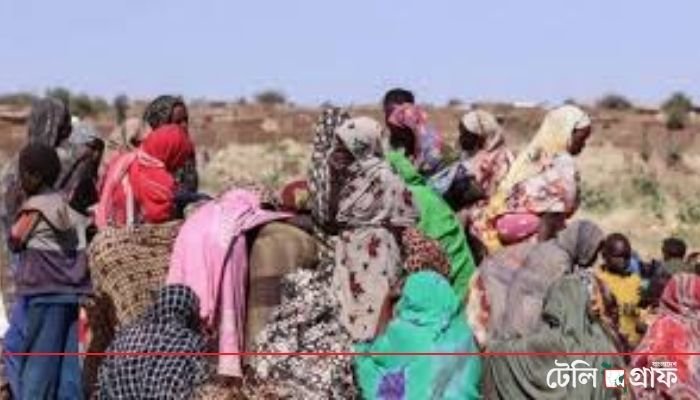
The death toll from an attack by the paramilitary Rapid Support Forces (RSF) on a kindergarten and other civilian locations in Sudan’s South Kordofan State has risen to at least 114 people, according to local officials. Tragically, the victims include 46 children. The deadly assault took place last Thursday (December 4) in the town of Kalogi.
The scale of the tragedy grew as initial reports underestimated the casualties. Sources from the Sudan Doctors Network revealed that the site was hit a second time, targeting civilians who had gathered for rescue efforts following the initial strike on the kindergarten. Reports also indicate that the town’s hospital and a government building were bombed.
Violation of International Law and Child Rights
The attack has drawn swift condemnation from international bodies. UNICEF Representative Sheldon Yett strongly denounced the killings, stating that the murder of children on their school grounds constitutes an extreme violation of child rights. He called on all warring parties to immediately cease hostilities, emphasizing that children should never pay the price of conflict.
The Sudan Doctors Network has categorized the attack as a severe violation of international humanitarian law, citing the repeated targeting of civilians and critical infrastructure.
The ongoing conflict, which erupted in 2023 between the Sudanese Armed Forces (SAF) and the RSF, continues to displace millions. While the SAF controls the central and eastern regions, the RSF is focused on expanding its influence, particularly in the western regions of North Kordofan and Darfur, exacerbating the humanitarian crisis.