
International
South Korea rocked by AI-assisted cheating scandal in national exam


A candidate who secured the top position in South Korea’s national tax accountant recruitment exam has confessed to using artificial intelligence and electronic devices to cheat. The individual achieved an extraordinary score of 397.5 out of 400, correctly answering 159 out of 160 questions across two exam phases held in April and July. This incident has sparked national concern regarding the integrity of competitive testing in the country.
The suspect utilized a miniature camera to capture images of the exam papers, which were then transmitted to an AI model to generate answers. The candidate subsequently received the solutions via a smartphone, marking a sophisticated misuse of modern technology. This unprecedented breach has prompted Seoul police to launch a formal investigation, with the accused admitting to the fraud through legal counsel.
Heightened security for university admissions
The scandal has triggered alarm ahead of South Korea’s high-stakes annual university entrance examinations, which are critical for students’ academic futures. In response, the presidential office and the prime minister’s office have convened emergency meetings to implement stricter surveillance measures. Officials are determined to prevent further technological interference to ensure the upcoming exams remain transparent and fair.
The government is now prioritizing the protection of merit-based evaluation, ensuring that advanced technology does not undermine the integrity of the national education system.
This case highlights the growing challenge posed by AI in academic settings, forcing authorities to rethink traditional examination protocols. As the investigation continues, the government remains focused on closing security loopholes to maintain public trust in the country’s rigorous testing standards.
Bangladesh was among 16 nations that abstained from voting on a United Nations General Assembly resolution calling for a global moratorium on the death penalty. The resolution, introduced by Mexico, sought to encourage member states to suspend executions as a step toward the eventual abolition of capital punishment worldwide. The vote took place on Friday, highlighting a persistent divide in international perspectives on judicial sovereignty and human rights.
The resolution secured significant support, with 133 countries voting in favor of the moratorium. Conversely, 33 nations, including India, the United States, and China, voted against the proposal. This outcome underscores the ongoing global debate regarding the use of capital punishment, as many countries continue to prioritize their domestic legal frameworks and sovereign rights over international pressure to abolish the practice.
Global concerns and legal standards
The UN resolution expressed deep concern over the continued application of the death penalty, particularly as global execution rates saw a notable increase in 2025. While the document acknowledges the right of nations to determine their own penal systems, it sets clear humanitarian guidelines. It specifically urges member states to refrain from imposing the death penalty on minors, pregnant women, the elderly, and individuals with mental disabilities.
Future implications for member states
Beyond the call for a moratorium, the resolution explicitly requests that countries which have already abolished the death penalty refrain from reinstating it. International human rights organizations have long campaigned against capital punishment, labeling it an inhumane practice. However, the voting patterns indicate that a significant number of nations remain committed to maintaining the death penalty as a tool for internal security and judicial enforcement.
This split in the 193-member General Assembly reflects a deep-seated polarization in global politics. While a clear majority of nations support a shift toward abolition, a powerful bloc remains steadfast in its conservative stance. The abstention of Bangladesh and other nations suggests that a universal consensus on the total elimination of the death penalty remains elusive in the current geopolitical climate.
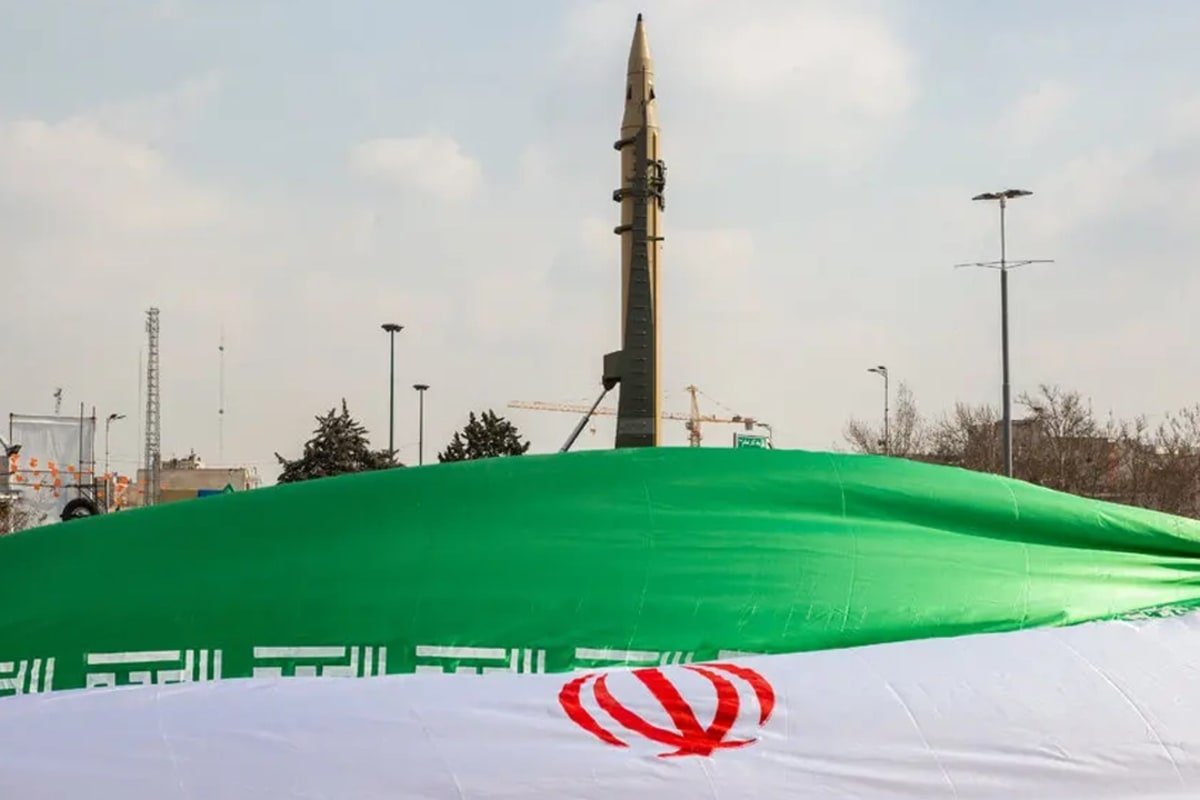
Iran has declared its readiness to launch preemptive strikes against the United States in response to any potential military aggression, marking a significant escalation in Middle East tensions. Deputy Foreign Minister Kazem Gharibabadi stated that Tehran will no longer remain passive if Washington initiates military action, asserting the country’s right to defend itself through proactive measures. This shift in posture follows growing concerns in Tehran that diplomatic channels are being used by the US to mask preparations for new military operations.
Tehran is currently maintaining parallel preparations for diplomatic negotiations, economic sanctions, and potential military conflict. Iranian officials remain deeply skeptical of Washington’s intentions, viewing recent diplomatic overtures as a strategic delay tactic. Consequently, the nation has adopted a heightened state of alert to counter any perceived threats to its sovereignty or regional interests.
Gharibabadi emphasized that Iran will not succumb to pressure, stating, “Iran is not a country like Cuba or Venezuela that will bow under the weight of sanctions. We have successfully bypassed air and land blockades, and our Revolutionary Guard Corps is actively developing new long-range missile capabilities to ensure our defense.”
Legal and Diplomatic Stance
Iran maintains that it remains in a state of legal warfare, complicating international efforts to de-escalate the situation. Citing this status, Tehran has rejected requests from the International Atomic Energy Agency (IAEA) to inspect its nuclear facilities until a permanent cessation of hostilities is achieved. The government insists that any future resolution must include the lifting of all economic and oil sector sanctions alongside the release of frozen assets abroad.
The regional situation remains volatile as the US continues to bolster its military presence, notably with the deployment of the USS Theodore Roosevelt aircraft carrier. While Iran previously proposed a two-day window to cease hostilities and reopen the Strait of Hormuz, disagreements over implementation mechanisms prevented a lasting agreement. The combination of increased US naval activity and Iran’s vow of preemptive action continues to push the region toward further instability.
International
Bangladesh-India Extradition Treaty: Legal Realities of Seeking Sheikh Hasina’s Return

The extradition treaty between Bangladesh and India has moved to the center of legal discourse as authorities explore mechanisms to bring back ousted Prime Minister Sheikh Hasina. Signed in 2013 and amended in 2016, the agreement facilitates the transfer of fugitives between the two nations based on court-issued arrest warrants. Legal experts are now scrutinizing the treaty’s specific clauses to determine if the charges against the former leader qualify for extradition or fall under political exemptions.
Under the 2016 amendment, the process for requesting extradition was streamlined, removing the requirement for extensive evidentiary documentation. A valid arrest warrant issued by a competent court now serves as the primary basis for a formal request. This shift significantly altered the operational landscape of the treaty, which previously demanded more rigorous proof of guilt before a request could be processed.
Legal complexities of political exemptions
Article 6 of the treaty provides a provision to reject extradition requests if the offense is deemed political in nature. However, this protection does not extend to heinous crimes such as murder, the use of explosives, or hostage-taking. Supporters of Sheikh Hasina argue that the current charges are politically motivated, potentially invoking Article 8 to challenge the validity of any extradition attempt.
According to the treaty’s second article, only offenses punishable by at least one year of imprisonment are eligible for extradition. Historically, the agreement has been utilized to transfer high-profile individuals, including Anup Chetia and Nur Hossain. These precedents demonstrate that while the treaty provides a structured legal framework, it does not function as an automatic mechanism for the transfer of individuals between the two countries.
Official stance and future outlook
The Indian Ministry of External Affairs stated that extradition remains a judicial process deeply intertwined with domestic laws and legal obligations. The Indian government intends to review the treaty’s conditions and international legal requirements before reaching any final decision. Ultimately, the possibility of Sheikh Hasina’s return depends on the rigorous legal scrutiny of Indian courts and the central government’s administrative review.
-

 Bangladesh15 hours ago
Election Commission to Publish List of 1,026 Union Parishads for First Phase Polls Thursday
-

 Crime and Justice12 hours ago
Fraudster arrested in Mongla for circulating counterfeit notes
-

 International20 hours ago
Bangladesh abstains from UN vote on death penalty moratorium
-

 Economy1 day ago
Over 70 factories shut in Gazipur and Ashulia amid wage hike protests
-

 Crime and Justice10 hours ago
Chuadanga college student dies by suicide after cryptic Facebook post