
Politics
No Place for Fascism or Terrorism in New Bangladesh: Jamaat Ameer

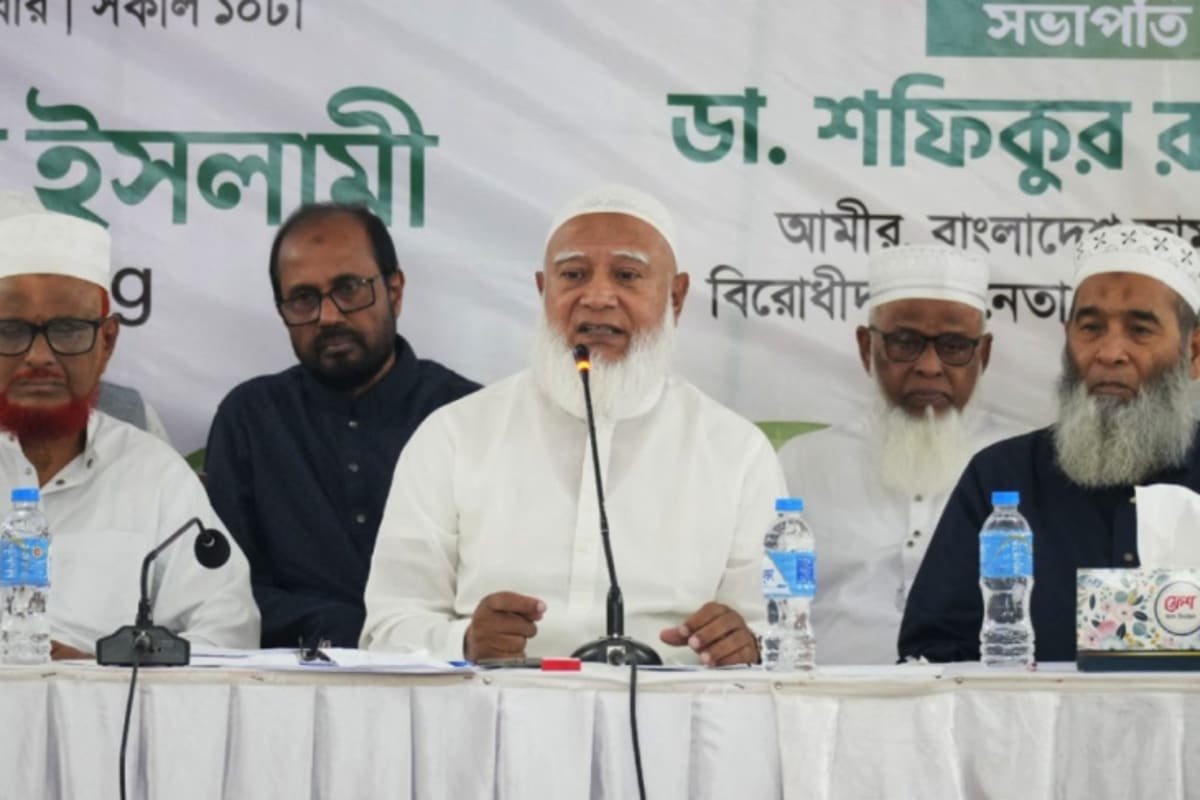
Jamaat-e-Islami Ameer Dr. Shafiqur Rahman has expressed deep concern over the prevailing law and order situation, urging the government to take immediate and effective measures to restore stability. Addressing a central working committee meeting at the Al-Falah Auditorium in the capital, he declared that there will be no room for fascist forces or terrorism in the post-July revolution Bangladesh.
Dr. Rahman described the ongoing unrest in various parts of the country and the recent statements made by government officials as disappointing. He emphasized that the nation is currently facing significant challenges that require national unity and heightened public awareness to overcome. The Jamaat leader stressed that the sacrifices made during the July uprising must be protected at all costs.
Commitment to Accountability
Reflecting on the movement, the Jamaat Ameer noted that over 1,400 people were martyred and thousands more injured during the July revolution. He asserted that his party would serve as a responsible opposition in parliament, acting as the voice of the people without compromising on justice. He demanded transparency regarding national assets and interests, warning that the party would take issues to the public court if the government fails to provide satisfactory answers.
We will not tolerate the resurgence of any form of fascism or terrorism in this new Bangladesh, as the nation demands accountability for every action taken by those in power.
Concluding his address, Dr. Shafiqur Rahman instructed party members to lead their lives based on moral, ideological, and religious values. He urged every official within the organization to enhance their transparency and competence to better serve the nation. He reiterated that the primary objective remains the preservation of the stability achieved through the immense sacrifices of the people.
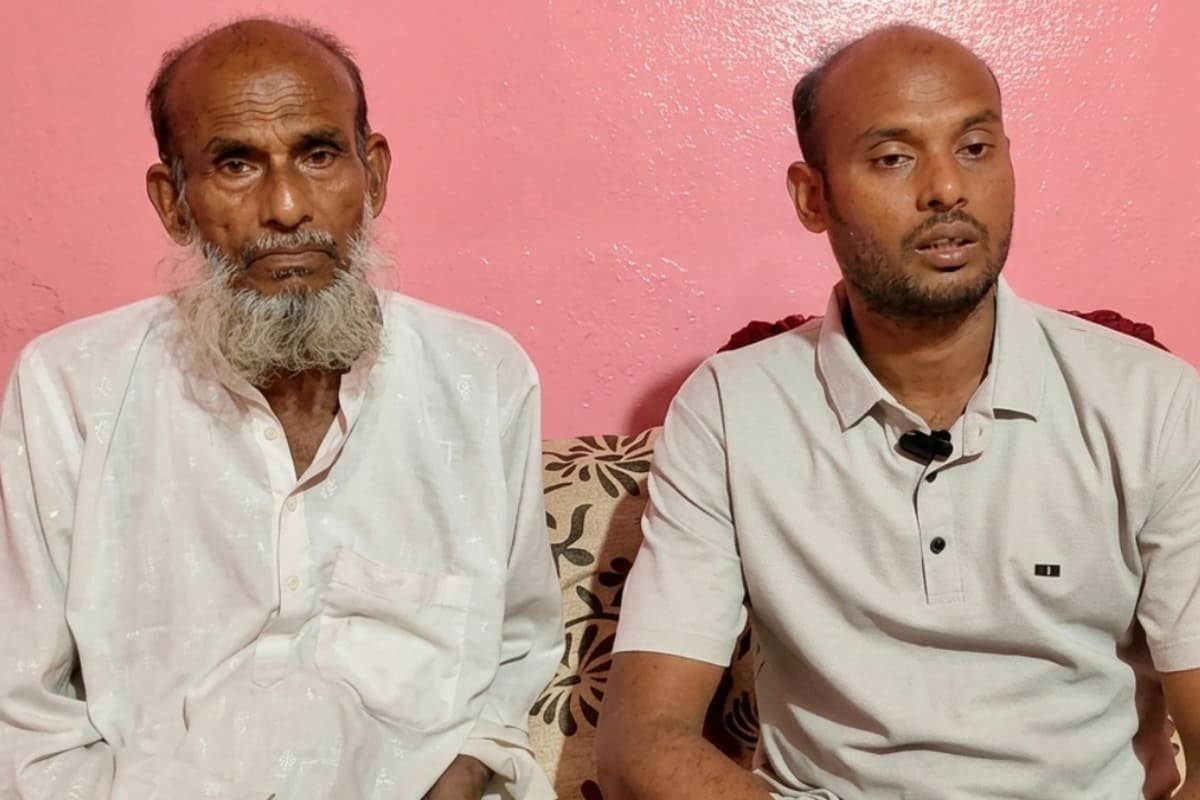
A father and son in Tungipara, Gopalganj, have officially resigned from the BNP, citing dissatisfaction with the party’s local political activities and harassment of residents. Md. Lutfar Fakir and his son, Miran Fakir, announced their departure from the party on Saturday night, publicly chanting ‘Joy Bangla’ to signal their exit. The move has sparked significant discussion within local political circles in the birthplace of Bangabandhu Sheikh Mujibur Rahman.
Miran Fakir alleged that he and his elderly father were coerced into joining the BNP approximately five to seven months ago. He stated that they could no longer tolerate the party’s organizational chaos or the persistent harassment of ordinary citizens. According to Miran, he faced repeated intimidation while operating his business at Nilfa Bazar, which further alienated him from the party’s local leadership.
Escalation of tensions
The decision to resign was accelerated by a recent violent incident in the area. Miran reported that three local youths were assaulted by party members simply for chanting ‘Joy Bangla’ slogans. Expressing his frustration, he emphasized that he could not remain part of a political organization that resorts to violence against individuals for expressing their ideological beliefs.
Miran Fakir said, “We were forced to join the party under duress, and we can no longer support the harassment of innocent people. We refuse to be part of a politics that punishes citizens for chanting ‘Joy Bangla, Joy Bangabandhu’.”
Following their resignation, the father and son declared that they intend to withdraw from all future political activities. They reaffirmed their stance by chanting ‘Joy Bangla, Joy Bangabandhu’ as they finalized their departure. Local BNP leaders have yet to provide an official statement regarding the allegations or the resignations of the two members.
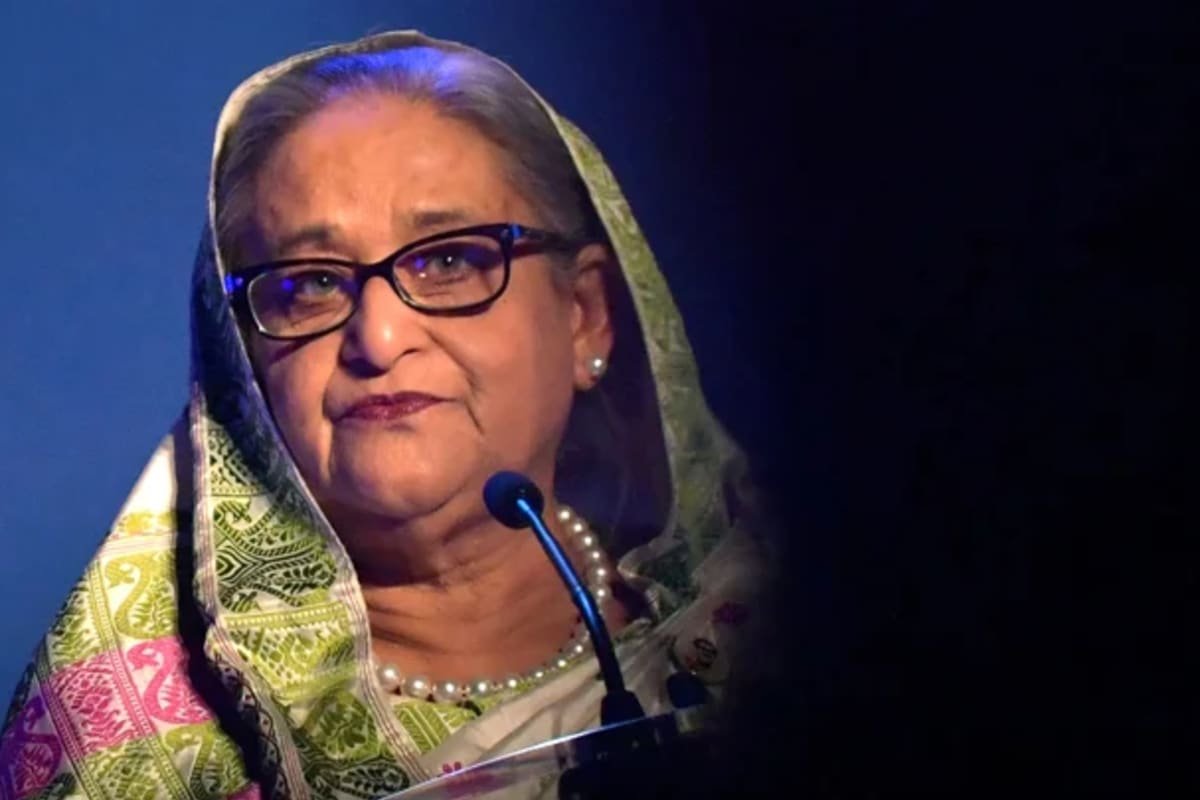
India is engaged in behind-the-scenes diplomatic efforts with the interim government of Bangladesh regarding the potential return of former Prime Minister Sheikh Hasina. New Delhi has reportedly set two primary conditions for her repatriation, insisting that the Bangladesh Army must oversee the process and that she must be guaranteed a fair trial that excludes the possibility of a death sentence. These developments come as regional geopolitical tensions remain high following the political transition in Dhaka.
New Delhi maintains that Hasina should not face summary justice or immediate execution upon her return. Indian officials have indicated a willingness to provide logistical and strategic support for her transfer, provided that the Bangladesh Army coordinates the handover. By involving the military, India aims to ensure a structured transition that avoids the perception of direct interference in the sovereign judicial processes of Bangladesh.
Diplomatic and Legal Hurdles
Despite the ongoing discussions, no formal consensus has been reached between the two nations. While reports suggest Hasina expressed a desire to return by December, analysts believe such a timeline is highly improbable without significant political shifts. The interim government has already rejected recent attempts by her representatives to secure travel documents, signaling a firm stance against her immediate return.
On November 9, a British law firm acting on behalf of Hasina submitted a formal request to the Bangladesh High Commission for the renewal of her passport and national identity card. The interim government promptly rejected this application, marking the first official communication since her departure. This refusal underscores the complex legal and political challenges that continue to complicate any potential repatriation efforts.
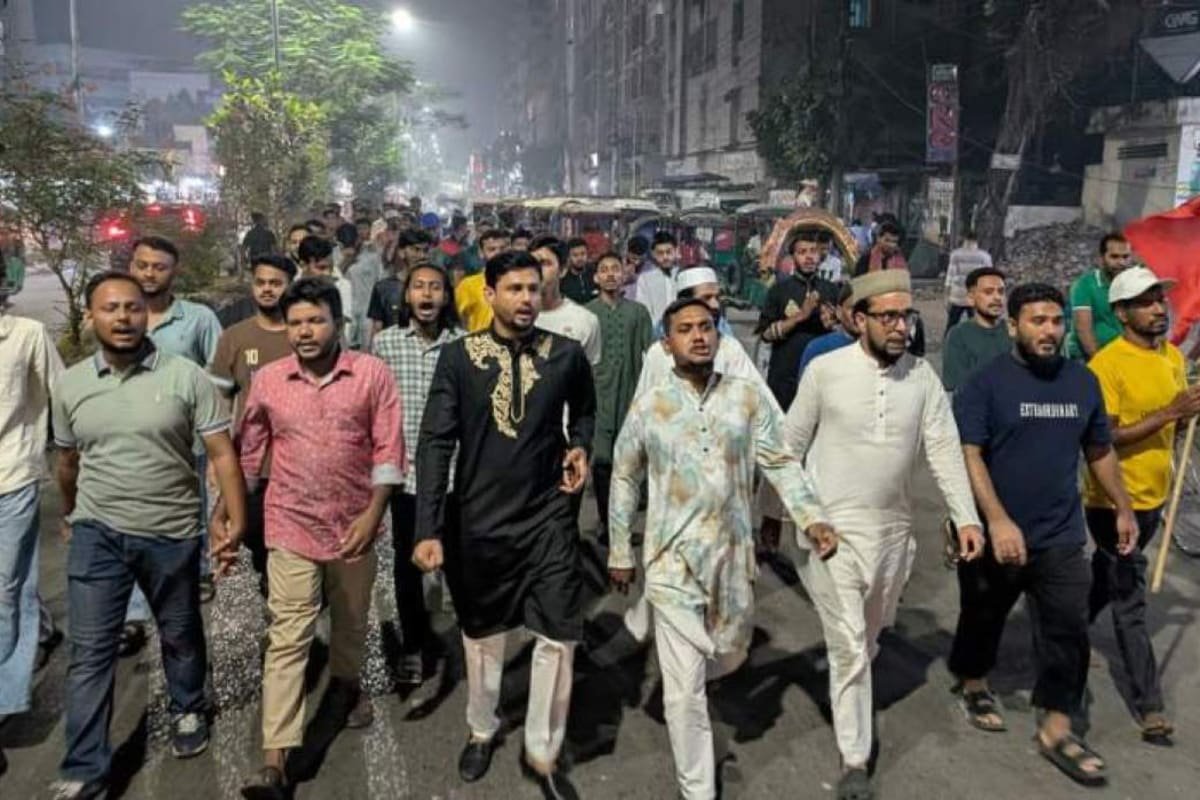
Activists of the Jatiyatabadi Chatra Dal (JCD) staged a midnight protest march and rally at the Dhaka Alia Madrasa campus, condemning the alleged anarchy orchestrated by the Awami League and its student wing. The demonstration, which took place early Saturday, signals rising political tensions ahead of the Awami League’s scheduled programme on November 19.
The protest march commenced around 2:30 am from the Dhaka Alia Madrasa campus. Participants from the JCD Dhaka Metropolitan South unit marched through the Dhaka Medical College Hospital area before concluding the demonstration at the Allama Kashgari (RA) Hall.
Demands for campus stability
JCD leaders alleged that deliberate attempts are being made to undermine democracy and voting rights through widespread anarchy. They strongly criticized the culture of terrorism and political occupation within educational institutions, demanding an immediate restoration of a peaceful academic environment.
We will resist any attempt to disrupt public life through the upcoming political programmes on the streets. The stability achieved through the sacrifices of students and the public will not be compromised under any circumstances.
Future political implications
Political observers view this midnight protest as a reflection of the growing volatility surrounding the Awami League’s eight-point lockdown programme scheduled for November 19. The JCD leadership has warned that they will remain vigilant and united to prevent any activities that threaten national stability or normal public life.
This incident has sparked concern among general students regarding the potential for escalating clashes between opposing political factions. As the date for the announced programmes approaches, authorities remain cautious about the impact these conflicting political activities may have on the overall law and order situation in the capital.
-

 Economy2 days ago
Over 70 factories shut in Gazipur and Ashulia amid wage hike protests
-

 International13 hours ago
South Korea rocked by AI-assisted cheating scandal in national exam
-

 Bangladesh18 hours ago
Election Commission to Publish List of 1,026 Union Parishads for First Phase Polls Thursday
-

 Crime and Justice16 hours ago
Fraudster arrested in Mongla for circulating counterfeit notes
-

 International23 hours ago
Bangladesh abstains from UN vote on death penalty moratorium