
Opinion
COP31: Bangladesh Tells the World Climate Finance Must Come as Grants, Not Loans

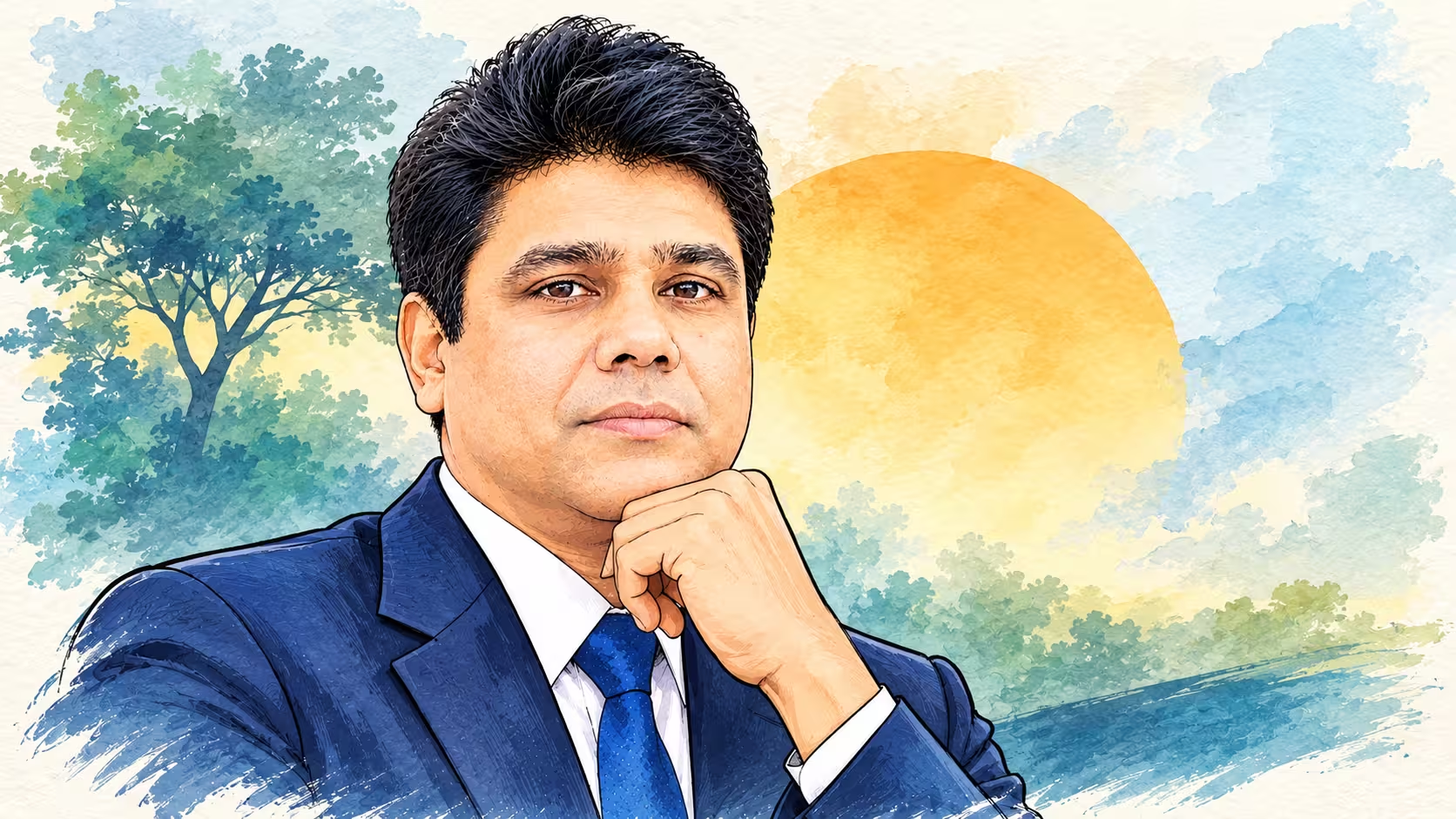
Nicholas Biswas
From floods and cyclones to droughts, rising seas and extreme heat, climate change is no longer a distant threat. It is reshaping lives, livelihoods and economies now. Developing countries contribute little to global emissions, yet they carry the heaviest burden because they lack the money, technology and institutional capacity to cope.
That was the backdrop when Prime Minister Tarique Rahman addressed the 31st UN Climate Change Conference (COP31) in Antalya, Türkiye. He put five proposals before world leaders, aimed at advancing climate justice and leaving no country behind.
1. Half of climate finance for adaptation
The Prime Minister called for at least 50 percent of international climate finance to go to adaptation, based on each country’s own priorities. For vulnerable nations, he argued, adaptation is a matter of survival. It means climate-resilient infrastructure, flood protection, sustainable agriculture, water management and stronger health systems.
Communities already living with the consequences, he said, cannot wait for emissions cuts to deliver results. Bangladesh faces recurring floods, cyclones, river erosion and saltwater intrusion, and adaptation funding there protects food security and saves lives.
2. Debt relief through climate swaps
Many developing countries borrow to recover from climate disasters while also investing in resilience. Rising repayments eat into the money available to protect their people.
The proposal is to introduce debt-for-climate swaps and Climate-Resilient Debt Clauses. A swap redirects part of a country’s debt obligations into national climate and environmental programmes. The clauses give borrowers breathing room after severe climate shocks. Such schemes must be transparent and fair, with borrowing countries fully involved, so they do not create new burdens.
3. Fair access to green technology
High costs, intellectual property barriers and limited technical skills keep clean technology out of reach for many countries. The Prime Minister urged affordable access to solar and wind power, energy storage, electric mobility, climate-smart agriculture and early-warning systems. Cooperation should go beyond equipment. It should include knowledge-sharing, training, research partnerships and support for local innovation.
4. Affordable financing for renewable energy
High borrowing costs can turn sound renewable projects into financial burdens. The proposal asks international financial institutions, development partners and private investors to offer concessional loans, grants and risk-sharing mechanisms for solar and wind projects, modern grids, storage and decentralised energy.
Bangladesh is doing its part. It aims to generate 20 percent of its electricity from renewable sources by 2030. It also plans to add 4,000 megawatts of solar capacity to the national grid, backed by policy support, tax and duty benefits, and incentives.
5. The Belém-Antalya Action Mechanism
The fifth proposal is a mechanism for a just transition, with fair financing and fair trade at its core. The shift to cleaner energy, the Prime Minister said, must not bring unemployment, deeper inequality or the marginalisation of vulnerable people. It should include social protection, skills development and green jobs, and support workers and communities that depend on carbon-intensive industries.
A national plan at home
Describing Bangladesh’s own adaptation strategy, he said the country will:
- plant 250 million trees within five years
- excavate about 20,000 kilometres of rivers and canals to conserve water, reduce flooding, restore wetlands and replenish groundwater
He also urged the inclusion of women and young people in climate action, decent green jobs, and deeper global emission cuts to keep the 1.5°C goal within reach.
Grants, not loans
Behind the five proposals lies a broader demand: developing nations need grants, not more loans, to confront a crisis they did little to cause. More borrowing for adaptation and disaster recovery, he warned, risks deepening inequality and pushing the burden onto future generations. Wealthy nations, he said, must turn their commitments into predictable, accessible and adequate support, in line with the principle of common but differentiated responsibilities.
Whether COP31 is remembered for declarations or for delivery will depend on whether the international community can turn these principles into practical action.
An article by Nicholas Biswas, a media professional and recipient of the UNFPA Media Award.


Globally, Muhammad is the most commonly used name for males, with more than 150 million people bearing the name WikipediaThe Bump. Noah is the second most popular boy name worldwide, topping charts in seven Western European countries The Bump.
For girls, Sophia is the top international name, ranking among the top ten in over 20 countries NameberryThe Bump. Other globally popular female names include Mila, Amelia, Olivia, Sophie, Isla, Victoria, Charlotte, Emma, Ella, and Ava HerFamily. On the boys’ side, besides Noah, names like Lucas, Leo, James, Louis, Liam, Jack, Oliver, George, and Mateo are widely used across the world
-

 Economy1 day ago
Over 70 factories shut in Gazipur and Ashulia amid wage hike protests
-

 International8 hours ago
South Korea rocked by AI-assisted cheating scandal in national exam
-

 Bangladesh13 hours ago
Election Commission to Publish List of 1,026 Union Parishads for First Phase Polls Thursday
-

 Crime and Justice11 hours ago
Fraudster arrested in Mongla for circulating counterfeit notes
-
 International18 hours ago
Bangladesh abstains from UN vote on death penalty moratorium