
People and Culture
Nation observes 50th death anniversary of Maulana Bhashani

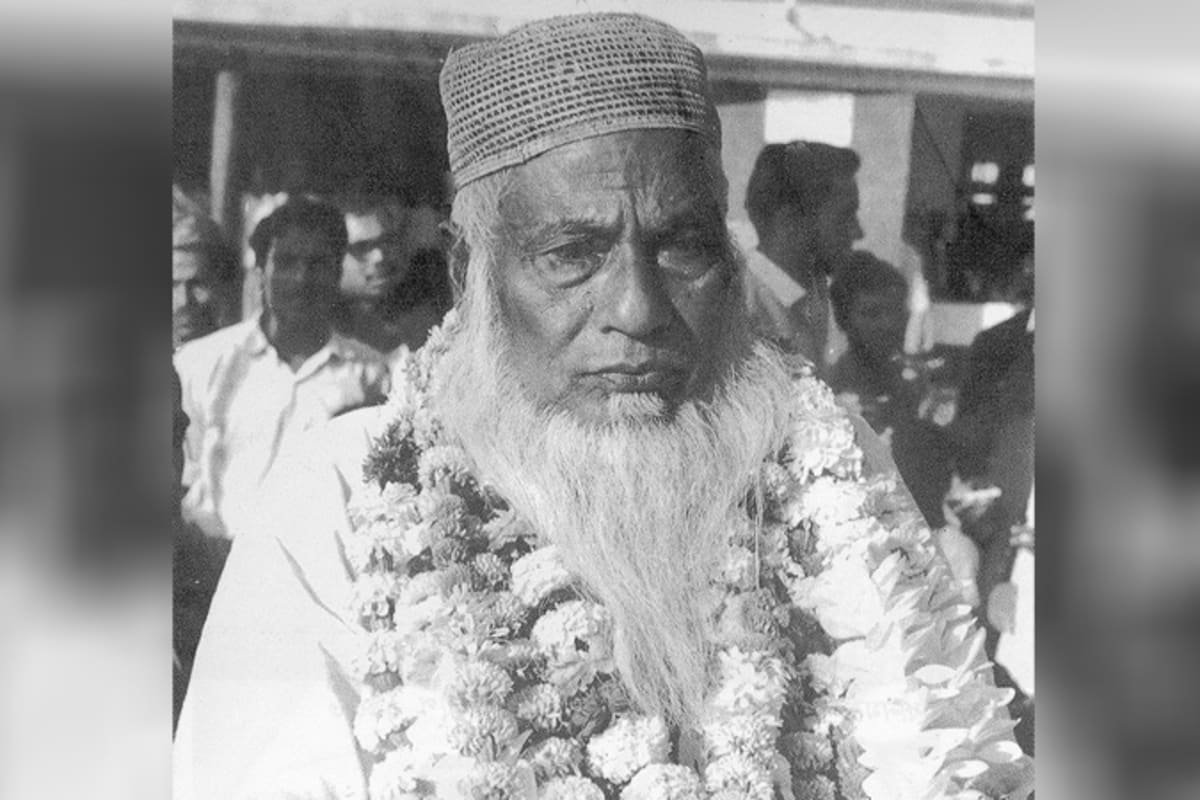
The nation observes the 50th death anniversary of Maulana Abdul Hamid Khan Bhashani today, honoring the legendary leader who served as the voice of the oppressed from the anti-British movement to the struggle for Bangladesh’s independence. Political parties, social organizations, and educational institutions have organized various programs in Dhaka and Tangail to pay tribute to the iconic leader. Bhashani passed away on November 17, 1976, while undergoing treatment at the PG Hospital in Dhaka.
Born in 1880 in Sirajganj, Maulana Bhashani spent most of his life in Santosh, Tangail, where he remains laid to rest. Known for his uncompromising political stance, he prioritized public interest and justice over political power throughout his career. As the founding president of the Awami Muslim League in 1949, he remained a staunch advocate for the rights of farmers, laborers, and the landless until his final days.
Legacy of a People’s Leader
Bhashani’s political strength stemmed from his deep connection with the masses and his relentless fight against class discrimination. Despite his religious education, he transcended sectarian boundaries to dedicate his life to social and political reform. During the 1971 Liberation War, he played a pivotal role in building international support for Bangladesh’s independence and served as an advisor to the wartime government.
Following the independence of Bangladesh, Bhashani continued to challenge government policies that he deemed detrimental to the public interest. He consistently raised his voice for food security and economic equality, maintaining his role as a moral compass for the nation. His life remains a distinct and luminous chapter in the political history of Bangladesh, representing the dream of a society free from exploitation and inequality.
To mark the occasion, the Bangladesh Nationalist Party (BNP) formed a national committee to coordinate commemorative activities alongside various political and social groups. Meanwhile, the Maulana Bhashani Science and Technology University concludes its seven-day traditional ‘Bhashani Mela’ today with a closing ceremony at the campus.
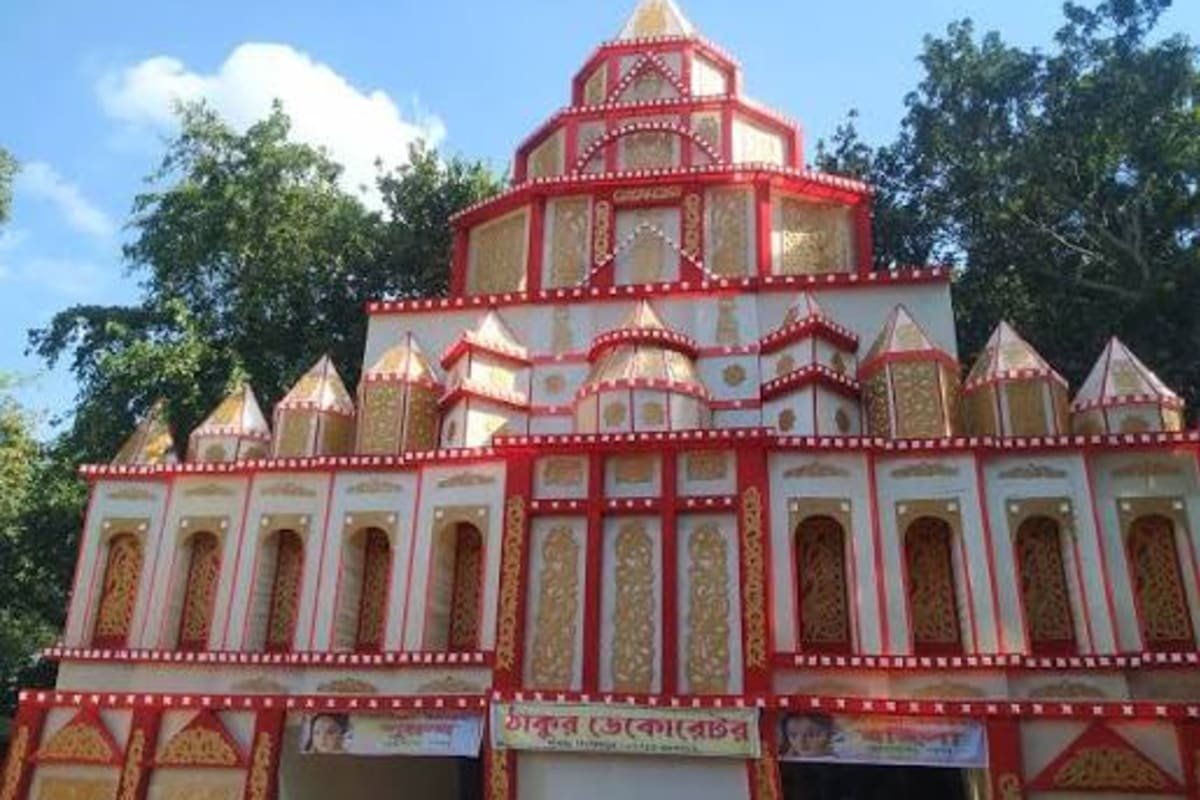
The five-day Katyayani Puja began in Magura on Sunday, transforming the entire town into a vibrant hub of festivities. The celebration has evolved beyond a religious observance for the Hindu community into a universal festival that brings together people of all faiths across the district. Elaborate pandals and stunning illuminations reflecting ancient architectural heritage have adorned the city to mark the occasion.
According to the Magura District Puja Celebration Council, this year’s festivities are being held across 106 mandaps. Held exactly one month after Durga Puja, the event has grown significantly in scale and popularity, often surpassing the grandeur of the autumn festival. It now stands as the primary cultural celebration for the residents of the district.
Historical Evolution
Initiated in 1950 by a local grocer named Satish Majhi, the puja was initially confined to a few neighborhoods. Over the past four decades, the festival has expanded remarkably, becoming an integral part of Magura’s unique cultural identity. Organizers noted that while the religious rituals conclude on November 20 with the immersion of idols, the spirit of the festival continues to thrive.
Festivities and Security
While the main rituals span five days, the traditional fairs at Noya Bazar and Chhanar Bottola will continue for an additional week. Organizers expect hundreds of thousands of visitors to attend these gatherings. To ensure a peaceful environment, the district administration and law enforcement agencies have implemented stringent security measures to accommodate the influx of devotees and tourists from across the country.
People and Culture
National women’s boat race in Narail celebrates rural heritage and festive spirit

Female rowers from 16 teams have breathed new life into the lost traditions of rural Bengal by participating in the National Women’s Boat Race held on the Afra River in Narail.
Why it matters: This event serves as a significant milestone in promoting the culture and rural tourism of riverine Bangladesh on the global stage, while also encouraging women’s empowerment and participation.
The big picture: The competition took place on Saturday afternoon on the Afra River in Shekhahati Union of Narail Sadar Upazila, where thousands of people gathered on both banks of the river to enjoy the festivities. Organized by the Bangladesh Tourism Corporation, the spontaneous participation of local women in this competition was remarkable.
Between the lines: The primary objective of this event is not merely entertainment, but to showcase the rural beauty and heritage of Bangladesh to domestic and international tourists. The presence of the Prime Minister’s Special Assistant on Health, Dr. S. M. Ziauddin Haider, along with the local Member of Parliament and top administrative officials, further underscored the importance of the event.
What’s next: The team led by Mukta Adhikari from Guakhola village secured first place, while the teams led by Babita Sarkar and Rina Biswas secured second and third places, respectively. Organizers stated that such competitions will help develop the local tourism industry and there are plans to expand its scope in the future.
The bottom line: The participation of women in the traditional boat race of rural Bengal has proven that women are now leading from the front in preserving rural sports and culture. The event concluded in a festive atmosphere with the distribution of prizes among the winners, creating a new sense of enthusiasm in the local life of Narail.
By the numbers: A total of 16 boats with female rowers participated in the competition, having demonstrated their skills through long periods of hard work and practice. Thousands of people gathered on both banks of the river for the afternoon event, which is expected to play a positive role in boosting the local rural economy.
People and Culture
Ziaur Rahman from captivity to the center of power: The turbulent chapter of 7 November

Why it matters: 7 November 1975 is a turning point in the history of Bangladesh, which not only ensured the release of Ziaur Rahman from captivity but also permanently altered the country’s power equation. This event played a major role in laying the foundation for the political and military structure of modern Bangladesh.
The big picture: After Ziaur Rahman was imprisoned during Khaled Mosharraf’s coup on 3 November, extreme chaos erupted within the army. On the night of 6 November, the ‘Biplobi Sainik Sangstha’ (Revolutionary Soldiers’ Organization), led by Colonel Taher and JSD, staged a counter-coup, resulting in the release of Ziaur Rahman and the deaths of several high-ranking officers, including Khaled Mosharraf.
Between the lines: JSD and Colonel Taher had hoped that Ziaur Rahman would support their revolutionary agenda and the implementation of their 12-point demand. However, after his release, Ziaur Rahman focused on restoring discipline within the cantonment and took a stance against JSD’s revolutionary plans, which was perceived as ‘betrayal’ by JSD.
What’s next: Ziaur Rahman quickly restored command and discipline in the army and moved to the center of state power as the Deputy Chief Martial Law Administrator. Subsequently, Colonel Taher was brought to trial and sentenced to death in 1976, a matter that remains one of the most significant topics of political debate in Bangladesh today.
The bottom line: While the events of 7 November paved the way for Ziaur Rahman’s political rise, they also gave birth to a long-standing political polarization in the name of restoring discipline in the army, which remains divided to this day as ‘National Revolution and Solidarity Day’ versus ‘Freedom Fighter Killing Day’.
-

 International20 hours ago
South Korea rocked by AI-assisted cheating scandal in national exam
-

 Economy2 days ago
Over 70 factories shut in Gazipur and Ashulia amid wage hike protests
-

 Crime and Justice20 hours ago
Chuadanga college student dies by suicide after cryptic Facebook post
-

 Bangladesh1 day ago
Election Commission to Publish List of 1,026 Union Parishads for First Phase Polls Thursday
-

 Crime and Justice22 hours ago
Fraudster arrested in Mongla for circulating counterfeit notes