
Bangladesh
Jashore distributes free seeds and fertilizers to 6,150 farmers


A total of 6,150 small and marginal farmers in Jashore received free high-quality seeds and fertilizers as government incentives for the upcoming Rabi season. The distribution program, organized by the Department of Agricultural Extension (DAE), took place at the Jashore Sadar Upazila Parishad premises to boost local crop production. Local administration officials and political representatives attended the event to oversee the handover of agricultural inputs.
Under the 2026-27 fiscal year agricultural incentive program, 6,000 mustard farmers each received one kilogram of seeds along with 10 kilograms of DAP and 10 kilograms of MOP fertilizers. Additionally, 150 lentil farmers were provided with five kilograms of seeds, 10 kilograms of DAP, and five kilograms of MOP fertilizers per person.
Boosting agricultural productivity
The government initiative aims to expand the cultivation area for mustard and lentils during the Rabi season while reducing production costs for farmers. By providing free, high-quality inputs, authorities expect to increase the interest of marginal farmers in commercial cultivation and help them achieve financial self-sufficiency.
Moving forward, the Department of Agricultural Extension will provide technical guidance on modern farming techniques to the beneficiaries. Officials confirmed that regular monitoring and field-level support will continue to ensure that the incentives translate into higher yields and contribute to the region’s food security.
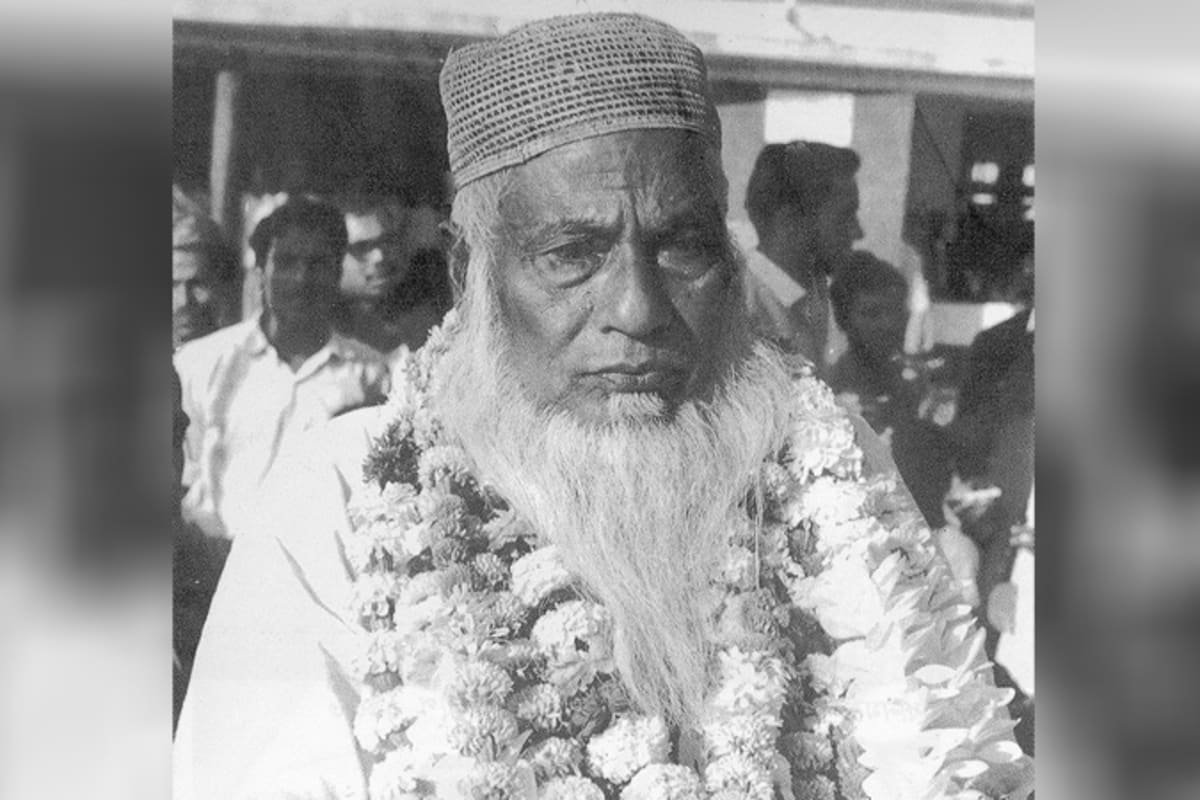
The nation observes the 50th death anniversary of Maulana Abdul Hamid Khan Bhashani today, honoring the legendary leader who served as the voice of the oppressed from the anti-British movement to the struggle for Bangladesh’s independence. Political parties, social organizations, and educational institutions have organized various programs in Dhaka and Tangail to pay tribute to the iconic leader. Bhashani passed away on November 17, 1976, while undergoing treatment at the PG Hospital in Dhaka.
Born in 1880 in Sirajganj, Maulana Bhashani spent most of his life in Santosh, Tangail, where he remains laid to rest. Known for his uncompromising political stance, he prioritized public interest and justice over political power throughout his career. As the founding president of the Awami Muslim League in 1949, he remained a staunch advocate for the rights of farmers, laborers, and the landless until his final days.
Legacy of a People’s Leader
Bhashani’s political strength stemmed from his deep connection with the masses and his relentless fight against class discrimination. Despite his religious education, he transcended sectarian boundaries to dedicate his life to social and political reform. During the 1971 Liberation War, he played a pivotal role in building international support for Bangladesh’s independence and served as an advisor to the wartime government.
Following the independence of Bangladesh, Bhashani continued to challenge government policies that he deemed detrimental to the public interest. He consistently raised his voice for food security and economic equality, maintaining his role as a moral compass for the nation. His life remains a distinct and luminous chapter in the political history of Bangladesh, representing the dream of a society free from exploitation and inequality.
To mark the occasion, the Bangladesh Nationalist Party (BNP) formed a national committee to coordinate commemorative activities alongside various political and social groups. Meanwhile, the Maulana Bhashani Science and Technology University concludes its seven-day traditional ‘Bhashani Mela’ today with a closing ceremony at the campus.

Special Response Battalion (SRB-1) members arrested former Dhaka South City Corporation (DSCC) Mayor Mohammad Sayeed Khokon from the capital’s Baridhara area on Tuesday morning. The arrest marks a significant development in the legal proceedings involving 27 pending cases filed against the former city leader. Following the operation, he was handed over to the Detective Branch (DB) of the Dhaka Metropolitan Police for further interrogation and processing.
SRB-1 Law and Media Wing Director Wing Commander MZM Intekhab Chowdhury confirmed the arrest to the media. The operation took place at approximately 7:00 am, signaling a major shift in the ongoing legal scrutiny surrounding the former mayor’s tenure and subsequent allegations.
Legal proceedings and investigation
Detective Branch Additional Commissioner Shafiqul Islam stated that Khokon was taken into custody as part of standard legal procedures. Officials are currently reviewing the case files to determine the next steps in the investigation. The authorities intend to produce him before the court once the initial documentation and verification processes are completed.
DB Additional Commissioner Shafiqul Islam said, “He has been taken into custody as part of the legal process, and the investigation into the pending cases is currently underway.”
With 27 cases currently pending against him, the arrest represents a critical juncture in Khokon’s legal battles. The former mayor now faces the prospect of formal judicial proceedings as investigators prepare to address the multiple charges brought against him.
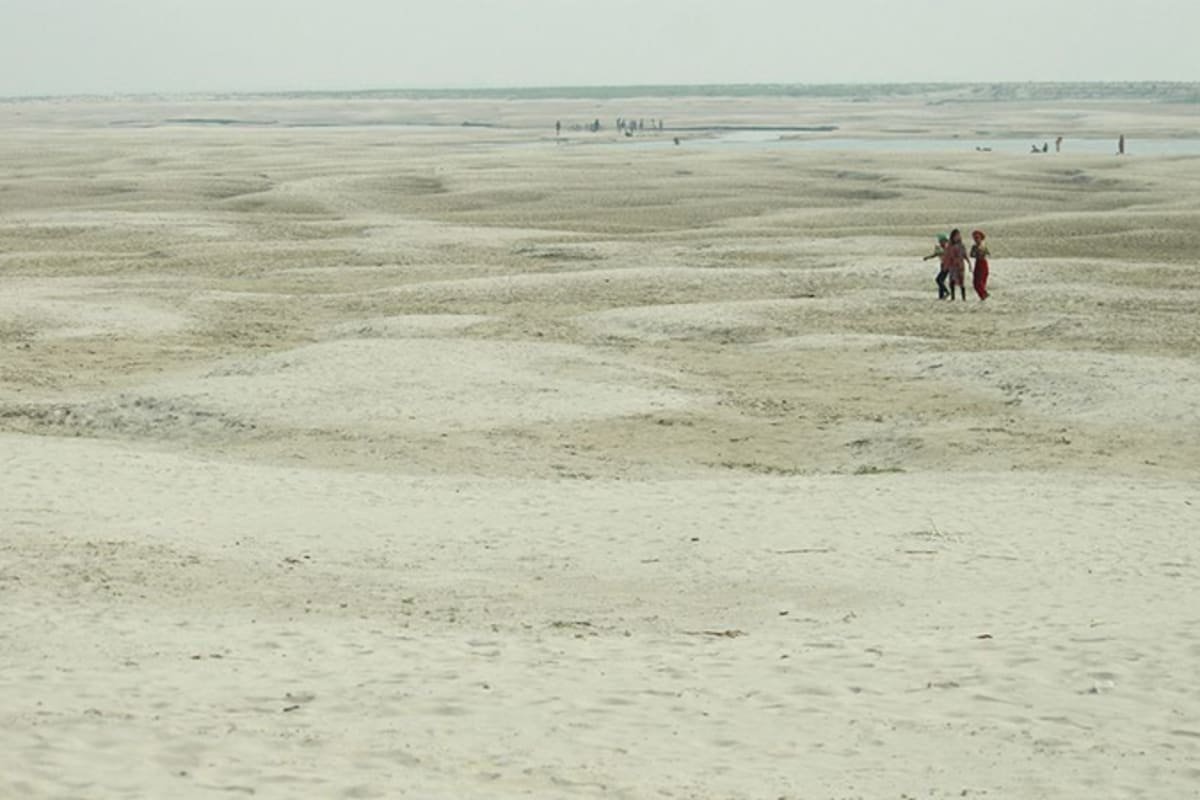
The water flow of the Padma River has plummeted by 80 percent during the dry season due to the Farakka Barrage, pushing the ecosystem and agriculture in Bangladesh’s southwestern region toward a severe existential crisis. Research by Riverine People indicates that the diversion of water at the Farakka point has transformed the Padma into a vast expanse of sandbars, leaving ten tributaries, including the Pagla, Mahananda, Punarbhaba, and Baral, on the verge of extinction.
The lack of water from the Ganges has triggered a significant rise in salinity levels within the Gorai basin, severely impacting agricultural productivity. Experts warn that the commercial-centric management of these river systems has disrupted the long-term ecological balance, threatening the livelihoods of millions who depend on these water bodies for irrigation and daily sustenance.
New Zealand-based researcher M.M.Q. Mirza reported that increased salinity has caused Boro rice yields to drop by 86 percent, while Aman rice production has declined by 71 percent. Furthermore, approximately 100,000 hectares of land under the Ganges-Kobadak irrigation project currently face an acute water shortage, jeopardizing food security in the region.
Need for sustainable management
River researchers and environmentalists are now calling for a shift away from commercial exploitation toward nature-friendly river management practices. While authorities have attempted to restore some flow through dredging operations, experts maintain that long-term environmental disaster remains inevitable unless the natural water flow of the Padma is restored through effective transboundary water-sharing agreements.
-

 International20 hours ago
South Korea rocked by AI-assisted cheating scandal in national exam
-

 Economy2 days ago
Over 70 factories shut in Gazipur and Ashulia amid wage hike protests
-

 Crime and Justice20 hours ago
Chuadanga college student dies by suicide after cryptic Facebook post
-

 Bangladesh1 day ago
Election Commission to Publish List of 1,026 Union Parishads for First Phase Polls Thursday
-

 Crime and Justice22 hours ago
Fraudster arrested in Mongla for circulating counterfeit notes