
Bangladesh
What Benefits Do Bangladesh’s MPs Receive?

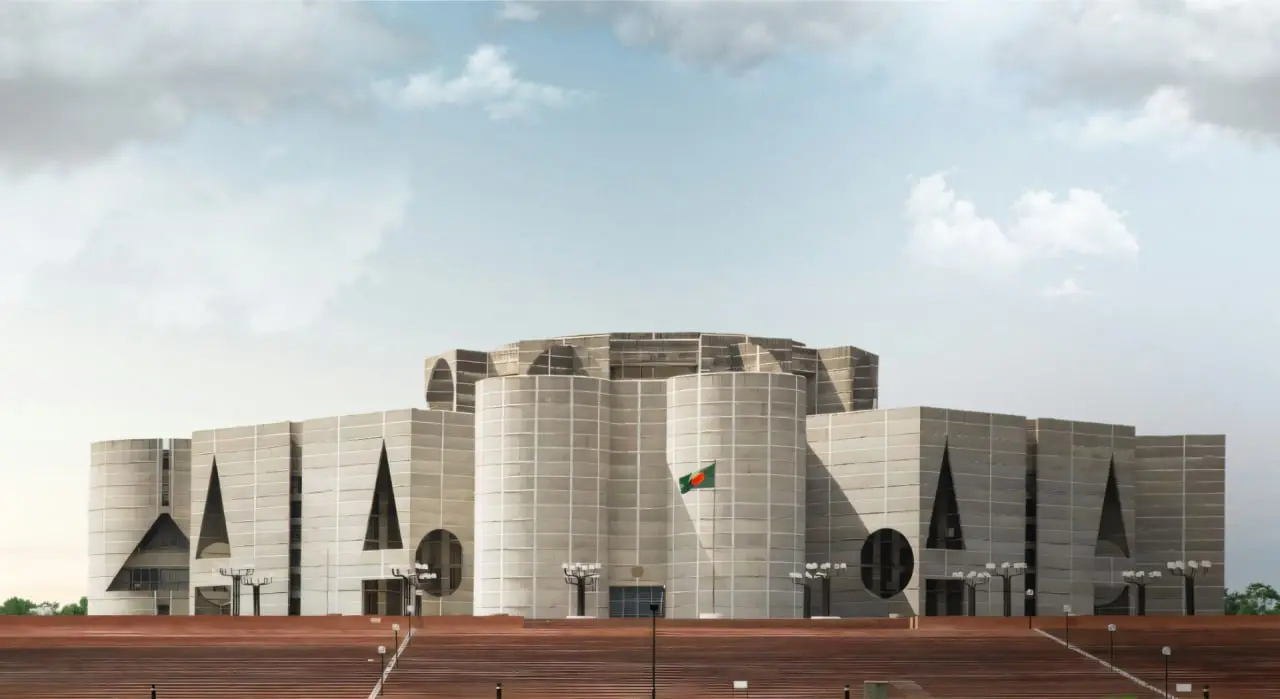
Following the official gazette notification of 297 winners in the 13th National Parliament election on Friday night, public attention has shifted toward the extensive financial and institutional perks awaiting the new lawmakers. Under the Members of Parliament Order, 1973 (Amended 2016), an MP’s compensation package extends far beyond a basic salary, covering travel, medical, and administrative costs.
- Monthly Basic Salary: A fixed remuneration of 55,000 BDT.
- Transport Allowance: A monthly allowance of 70,000 BDT to cover fuel, driver salary, and vehicle maintenance.
- Duty-Free Vehicle Facility: The right to import one luxury car, jeep, or microbus per five-year term without paying any customs duty, VAT, or development surcharge (a benefit worth millions given high local import taxes).
- Constituency Allowance: A monthly sum of 12,500 BDT for expenses related to their electoral area.
- Office Expense Allowance: Monthly 15,000 BDT for maintaining a local office in their constituency.
- Sumptuary (Entertainment) Allowance: A monthly allowance of 5,000 BDT for hosting guests and official hospitality.
- Travel Credits: An annual allocation of 120,000 BDT for domestic travel via air, rail, or water, or access to high-class travel passes.
- Upgraded Travel Class: Entitlement to 1.5 times the fare of the highest class for official rail, air, or steamer journeys.
- Medical Benefits: Free treatment at government hospitals for the MP, their spouse, and children, equivalent to the status of first-class gazetted officers.
- Daily Allowance: A daily rate of 750 BDT (plus a small conveyance allowance) while Parliament is in session or during committee meetings.
- Optional Fund: Access to 500,000 BDT annually for discretionary spending on local welfare and development projects.
- Housing Privileges: Access to subsidized residential flats (such as the NAM buildings in Dhaka) or a housing allowance if state housing is not utilized.
- Communication Perks: Free telephone installation at both their permanent residence and their Dhaka office, with monthly bill coverage up to a set ceiling.
- Laundry & Miscellaneous: A combined monthly allowance of 7,500 BDT for laundry and purchasing essential household items (linens, toiletries, etc.).
- Life Insurance: A 1,000,000 BDT policy covering death or permanent disability while in office.
- Tax Exemptions: While the basic salary is taxable, all other allowances and the duty-free vehicle perk are completely tax-free.
Monthly Salary and Allowance Breakdown
While the basic monthly salary of an MP is fixed at 55,000 BDT, the total monthly payout is significantly higher due to various functional allowances:
- Basic Salary: 55,000 BDT
- Transport & Vehicle Maintenance: 70,000 BDT
- Constituency Allowance: 12,500 BDT
- Office Expenses: 15,000 BDT
- Laundry & Miscellaneous: 7,500 BDT
- Sumptuary (Entertainment) Allowance: 5,000 BDT
High-Value Institutional Perks
The most significant benefits provided to lawmakers include:
- Duty-Free Vehicles: Perhaps the most coveted perk, MPs are entitled to import one luxury vehicle or microbus per term completely exempt from customs duties and VAT, a benefit worth millions of BDT.
- Travel Credits: Members receive an annual allocation of 120,000 BDT for domestic travel via air, rail, or water, or access to high-class travel passes.
- Healthcare & Insurance: MPs and their families receive medical benefits equivalent to first-class gazette government officers. Additionally, a 1,000,000 BDT insurance policy covers death or permanent disability incurred during their tenure.
- Discretionary Funds: Each MP has access to an Optional Fund of 500,000 BDT annually for local development projects in their respective constituencies.
The Tax Advantage
Notably, while the basic salary of 55,000 BDT is taxable, all other allowances and the duty-free vehicle benefit are entirely tax-free. This distinction means the bulk of an MP’s state-provided income does not incur income tax.
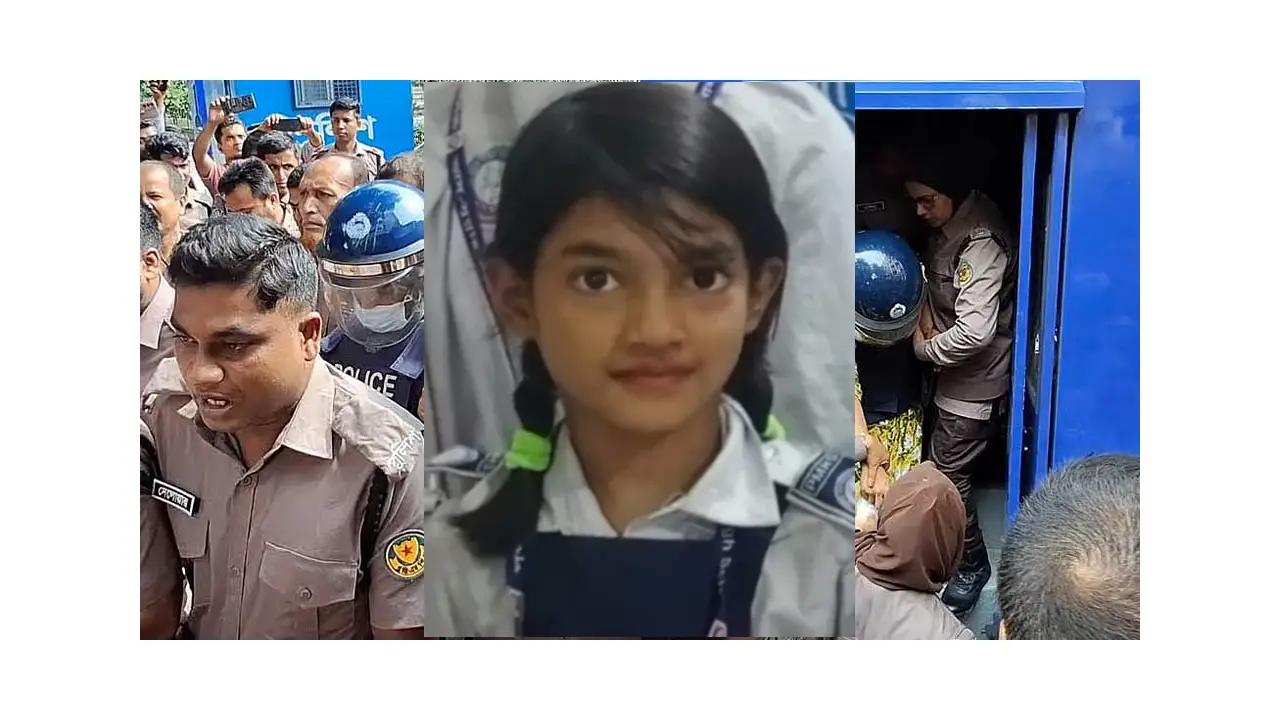
A Dhaka tribunal has sentenced a neighbor couple to death for the rape and brutal decapitation of an eight-year-old girl in the capital’s Pallabi area.
Couple Sentenced to Death for Brutal Child Murder: A Dhaka tribunal has sentenced a neighbor couple to death for the rape and brutal decapitation of an eight-year-old girl in the capital’s Pallabi area.
Why it matters:
This landmark verdict delivers a swift and powerful blow against child violence in Bangladesh, reinforcing accountability for heinous crimes. The case sets a critical judicial precedent by delivering ultimate punishment to both the primary perpetrator and his accomplice.
The big picture:
The Dhaka Metropolitan Child Violence Suppression Tribunal delivered the verdict sentencing convicts Sohel Rana and his wife, Swapna Akhtar, to death. The court also slapped massive financial penalties on the dopti, ordering Rana to pay 5 lakh Taka and Akhtar to pay 2 lakh Taka. The case erupted on May 19 after police discovered the headless body of second-grade student Ramisa Akhtar hidden inside a bucket in a Pallabi flat.
Between the lines:
- A coordinated trap: The investigation revealed that Swapna Akhtar intentionally lured young Ramisa into their apartment on the morning of the incident.
- Nrimshongsho assault: Medical exams and confessions proved that Sohel Rana, under the influence of narcotics, assaulted the child in the bathroom. He then decapitated her with a sharp knife to cover up the crime and hide the evidence.
- Rapid justice: Law enforcement moved with unprecedented speed, filing a flawless chargesheet within just five days of the murder, which allowed the tribunal to fast-track the entire trial.
By the numbers:
- 19: The entire judicial process—from the initial crime to the final execution of the verdict—took a mere 19 days.
- 16: The prosecution successfully presented and cross-examined 16 key witnesses to solidify the conviction.
- 7,00,000: The total financial penalty levied against the couple will be legally handed over to the victim’s family.
What’s next:
While the grieving family expressed absolute satisfaction with the rapid trial, the legal battle will now transition to the higher courts. The case moves forward for a mandatory death reference evaluation in the High Court, alongside anticipated appeals from the defense lawyers.
The bottom line:
While sensitive criminal trials in Bangladesh traditionally drag on for years, this verdict proves that the existing legal framework can deliver swift justice when authorities prioritize child safety and execute rigorous, fast-paced coordination.
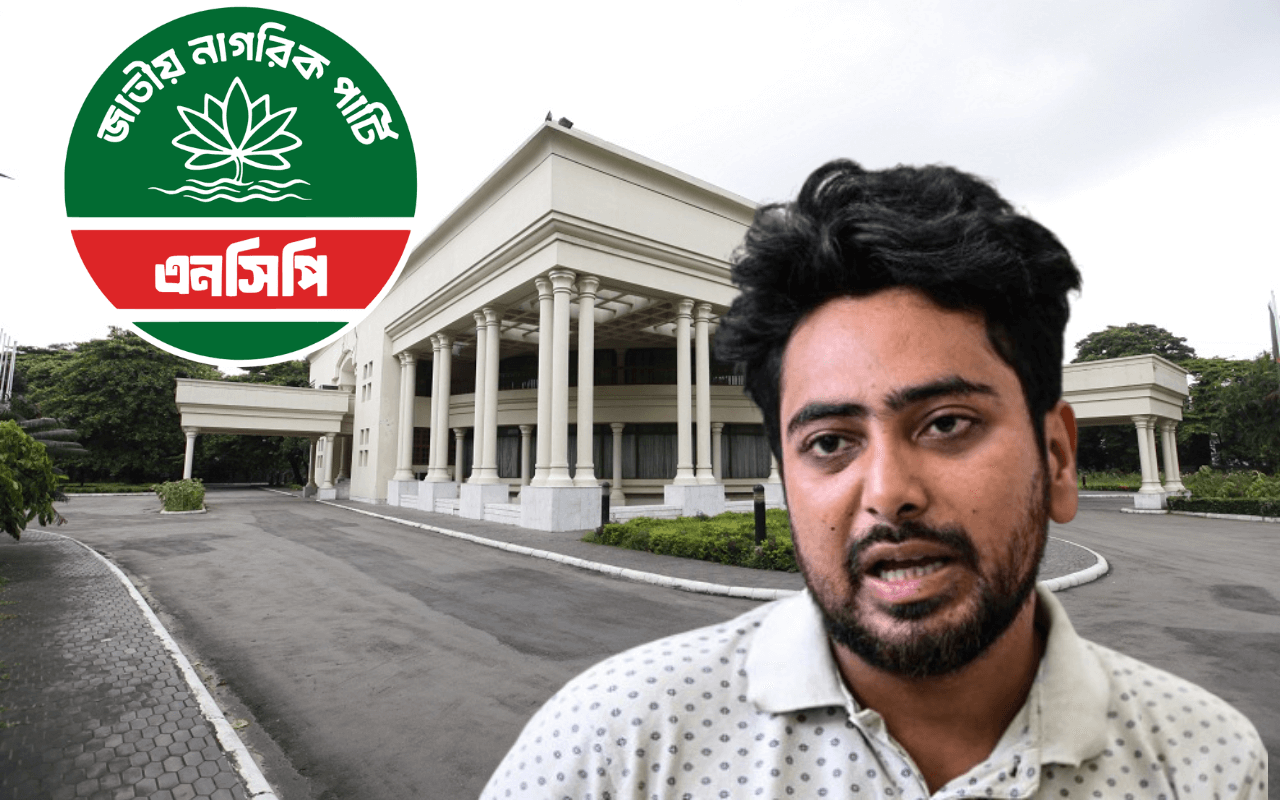
DHAKA, Feb 16, 2026 – The National Citizen’s Party (NCP), the influential student-led political wing of the 2024 uprising, has officially signed the “July National Charter 2025” today at the Chief Advisor’s residence, Jamuna.
This sudden U-turn comes just four days after a historic national referendum on February 12, where over 48 million voters (68% of the turnout) delivered a massive “Yes” mandate for the charter’s constitutional reform proposals.
A six-member delegation, led by NCP Convener Nahid Islam and Member Secretary Akhtar Hossain, entered Jamuna at 6:00 PM to formalize their commitment before Chief Advisor Professor Muhammad Yunus. The team also included central leaders Sarwar Tushar, Monira Sharmin, Javed Rasin, and Zahirul Islam Musa.

With the NCP now on board, the July National Charter enjoys near-total political consensus across 25 major parties and the student leadership. This provides a clear “people’s mandate” for the newly elected Parliament—which saw a two-thirds majority win for the BNP—to begin functioning as a Constituent Assembly.
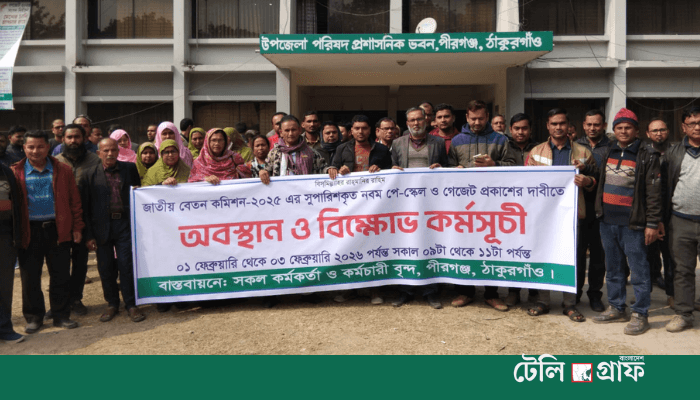
More than a hundred government employees staged a peaceful sit-in and protest on Tuesday at the Pirganj Upazila Parishad administrative complex in Thakurgaon district, demanding fair wages and implementation of long-pending pay reforms amid rising living costs.
The recent sit-in and demonstration held in front of the Pirganj Upazila Parishad administrative building in Thakurgaon has emerged as a significant event in the local administrative sphere. The image shows over a hundred government employees and representatives of employee organizations standing together peacefully with organized banners, presenting their demands. The location, the language on the banners, and the scale of participation indicate that this was not a routine protest, but a visible expression of long-standing financial and structural discontent among government employees.
An analysis of the participants’ expressions and body language suggests this was not a sudden or volatile action. Rather, it was calm, disciplined, and message-driven. The banner language was non-aggressive—demand-focused and institutional—signaling that employees are seeking dialogue, not confrontation. Still, beneath this restraint lies deep-seated frustration and unmet expectations.
Delays in implementing the National Pay Commission’s recommendations are not new. Against the backdrop of inflation, rising prices of essential goods, and increasing living expenses, many government employees believe the current pay structure no longer reflects economic reality. This demonstration represents a local manifestation of that structural crisis. When such organized protests emerge at the upazila level, it is clear the discontent extends beyond major cities and has reached grassroots administration.
The image also serves as an important record for the future. It shows government employees organizing to demand their rights through peaceful and democratic means. For policymakers, it carries a clear message: pay structure reform is not just an economic issue—it is deeply tied to administrative efficiency, employee motivation, and public trust in the state.
Ultimately, the sit-in at the Pirganj Upazila Parishad complex goes beyond a single day’s protest. It captures broader realities in one frame—the question of fairness for government employees, the state’s responsibility to honor its commitments, and the simmering discontent within grassroots administration. How quickly and in what manner these demands are addressed remains to be seen.