
International
Al-Aqsa’s Chief Preacher Faces Trial in Israel Over ‘Incitement’ Charges

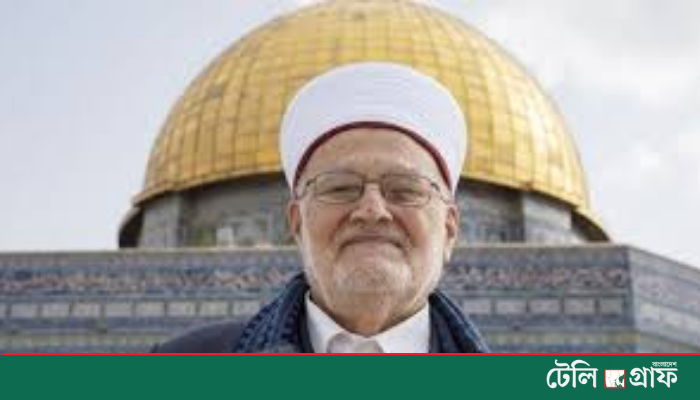
Israel is set to put Sheikh Ekrima Sabri, the chief preacher of the Al-Aqsa Mosque in East Jerusalem, on trial over alleged “incitement.” The 86-year-old cleric is scheduled to appear before the Jerusalem Magistrate Court on Tuesday (18 November), according to a report by Anadolu Agency.
The court will review an indictment filed by the Israeli Public Prosecution, accusing Sabri of expressing condolences over the death of Hamas leader Ismail Haniyeh—killed in an Israeli strike in Iran in 2024—and offering prayers for Palestinians shot dead in the occupied West Bank in 2022.
In August 2024, Israeli police barred Sabri from entering Al-Aqsa for six months after he publicly mourned Haniyeh’s death. His legal team argues that the move is politically motivated and driven by right-wing groups seeking to target the prominent cleric.
They claim Sabri has long faced travel bans, restrictions on entering Al-Aqsa, and even demolition orders on his home—actions they describe as part of a broader pattern of political, religious, and ideological persecution.
Israeli officials, including National Security Minister Itamar Ben-Gvir and Interior Minister Moshe Arbel, have previously acted against Sabri, frequently accusing him of delivering pro-Gaza sermons.
Al-Aqsa, Islam’s third-holiest site, sits in a location Jews refer to as the “Temple Mount,” believed to have housed two ancient Jewish temples. Israel captured East Jerusalem in the 1967 Arab–Israeli war and unilaterally annexed the city in 1980—a move not recognized by the international community.








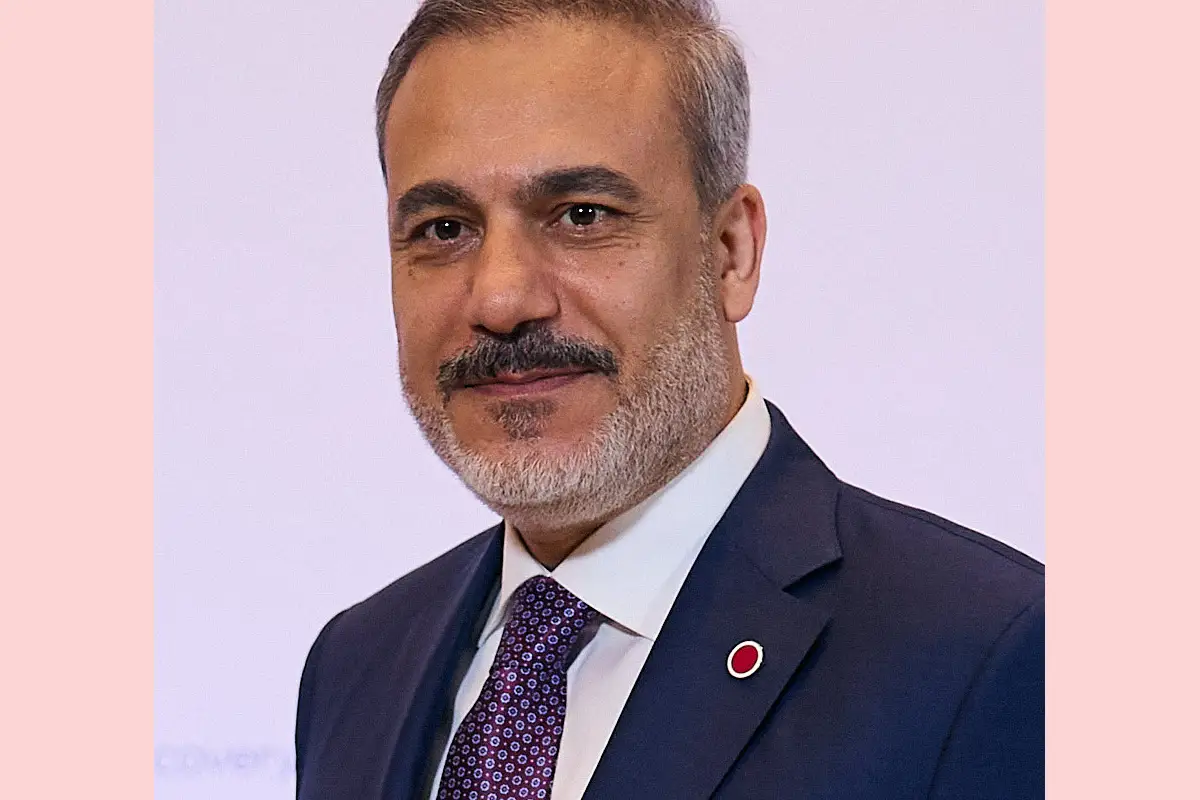
Turkish Foreign Minister Hakan Fidan kicks off a three-day official visit to Dhaka on June 4, looking to shift the relationship from standard trade into a serious defense and political alliance.
Why it matters:
This trip is a big deal for a few reasons. It is the first time a Turkish foreign minister has visited Bangladesh since December 2020. More importantly, it is the first high-level visit from a major partner since Prime Minister Tarique Rahman’s BNP-led government took office. Ankara is moving fast to engage with the new administration, showing a clear intent to lock in its influence in South Asia.
The big picture:
Turkey no longer sees Bangladesh as just a market for goods or a source of labor. The real goal here is to expand defense cooperation and build a lasting political partnership. Both nations want to align their foreign policies to present a united front on the global stage. This visit builds directly on Bangladesh Foreign Minister Dr. Khalilur Rahman’s trip to Ankara in April, where the groundwork for these bigger plans was laid.
Between the lines:
While the official statements talk about diplomatic courtesy and economic growth, the quiet focus is on military hardware. Ankara wants to sell advanced defense technology to Bangladesh as Dhaka modernizes its armed forces. Additionally, Turkey has been a vocal supporter of Bangladesh during the Rohingya crisis. Fidan might visit the refugee camps in Cox’s Bazar to get a firsthand look at the situation, proving Turkey’s ongoing political backing.
By the numbers:
- 3: The number of days Fidan will be in Bangladesh.
- 5.5: Years since the last official visit by a Turkish Foreign Minister to Dhaka.
- 2: The major meetings scheduled before seeing the PM, sitting down with Foreign Minister Dr. Khalilur Rahman and State Minister Shama Obaed Islam.
What’s next:
The visit wraps up on June 6 with a pivotal meeting between Fidan and Prime Minister Tarique Rahman. During this sit-down, expect the two leaders to nail down agreements that speed up investments and finalize new defense deals. They are also expected to get on the same page regarding Middle Eastern conflicts, especially Gaza.
The bottom line:
Ankara is not wasting any time building ties with Dhaka’s new leadership. By putting defense and political alignment ahead of basic commerce, this visit marks a serious new chapter in Turkey-Bangladesh relations.
International
Mamata Banerjee Accuses BSF of ‘Pushing Indian Citizens into Bangladesh’, Calls for State Police Action.

West Bengal Chief Minister Mamata Banerjee has leveled serious allegations against the Border Security Force (BSF), claiming that Indian citizens are being forcibly pushed into Bangladesh. During an administrative meeting with local officials in Cooch Behar on Monday, she criticized the BSF’s activities along the India-Bangladesh border as “excesses.”
The Chief Minister instructed the state police to “be a little more active” and “focus on Naka (check post) operations,” urging them not to be afraid of taking action.
Mamata Banerjee emphasized that Cooch Behar is a border district where law and order must be maintained, and “no excesses will be tolerated.”
Linguistic Identity and Harassment
Addressing allegations of harassment against residents, the Chief Minister strongly rejected the idea of linking language to nationality. She clarified the distinction: “Just because someone speaks Bengali does not make them a Bangladeshi. Bangladesh is a country and West Bengal is a state.”
She further drew parallels with Urdu and Punjabi speakers across the India-Pakistan border, asserting that West Bengal residents should not face harassment based on their language or identity. The Chief Minister’s strong remarks come amid ongoing political tensions regarding citizenship laws in the border regions.
International
Slaughter in Sudan: RSF Attack on Kindergarten Kills 46 Children, Death Toll Rises to 114.
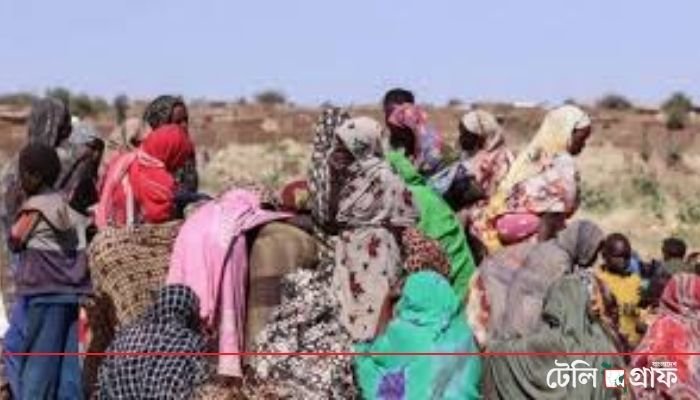
The death toll from an attack by the paramilitary Rapid Support Forces (RSF) on a kindergarten and other civilian locations in Sudan’s South Kordofan State has risen to at least 114 people, according to local officials. Tragically, the victims include 46 children. The deadly assault took place last Thursday (December 4) in the town of Kalogi.
The scale of the tragedy grew as initial reports underestimated the casualties. Sources from the Sudan Doctors Network revealed that the site was hit a second time, targeting civilians who had gathered for rescue efforts following the initial strike on the kindergarten. Reports also indicate that the town’s hospital and a government building were bombed.
Violation of International Law and Child Rights
The attack has drawn swift condemnation from international bodies. UNICEF Representative Sheldon Yett strongly denounced the killings, stating that the murder of children on their school grounds constitutes an extreme violation of child rights. He called on all warring parties to immediately cease hostilities, emphasizing that children should never pay the price of conflict.
The Sudan Doctors Network has categorized the attack as a severe violation of international humanitarian law, citing the repeated targeting of civilians and critical infrastructure.
The ongoing conflict, which erupted in 2023 between the Sudanese Armed Forces (SAF) and the RSF, continues to displace millions. While the SAF controls the central and eastern regions, the RSF is focused on expanding its influence, particularly in the western regions of North Kordofan and Darfur, exacerbating the humanitarian crisis.