Crime and Justice
‘Ghost Electricity Bills’ Shock Residents in Jhenaidah


Residents of several villages in Jhenaidah’s Maheshpur upazila have been left stunned after receiving unusually high electricity bills—many several times higher than their regular charges.
In Azampur village, daily wage earner Khokon Biswas said he received a bill of Tk 33,450 this month, despite using only two fans, two light bulbs, and a refrigerator.
“Our usage hasn’t changed, yet the bill came as if we’re millionaires. How can I pay this?” he told reporters.
Shopkeeper Jakir Hossain from Bhairaba Bazaar shared a similar experience. His usual bill is around Tk 1,000, but this month it was Tk 8,500.
“When we go to the office, they say an investigation is underway, but they cut the line in the meantime,” he said.
Residents allege that the bills were prepared on estimated averages instead of actual meter readings, causing inflated charges.
Despite multiple complaints—both written and verbal—no effective solution has been provided so far.
Abhijit Saha, Assistant Engineer at the Maheshpur zonal office of the Rural Electrification Board, confirmed the issue.
“We are aware that some customers received unusually high bills. An investigation is underway. If there are meter faults or reading errors, they will be corrected. Disciplinary action will be taken if any irregularities are found,” he said.
Meanwhile, discussions across Maheshpur’s tea stalls and markets now center on one issue—the electricity bill crisis—as residents await relief from what they call “ghost billing.”


HEADLINE: Bangladeshi national injured and detained by BSF in Chuadanga border shooting
Monirul Islam, a Bangladeshi citizen, was injured and detained by the BSF after being shot while allegedly attempting to cross into India illegally through the Jibonnagar border in Chuadanga.
Why it matters: The incident of BSF firing at the border has created tension between the border guard forces of the two countries and signals a deterioration in the security situation.
The big picture: On Friday evening, near pillar 61/1-S of the Hariharnagar border, a BSF patrol team from the 32nd Battalion opened fire and discharged rubber bullets at a group of seven individuals, including Monirul, as they entered Indian territory. BSF personnel detained Monirul, who sustained gunshot wounds to his back and legs, and admitted him to Shantinagar Hospital in the Krishnanagar district of India.
Between the lines: The other six smugglers who were with Monirul at the time managed to escape by jumping into a canal. The incident came to light after local residents heard the sound of gunfire, though there is still no clear information regarding the current physical condition of the injured Monirul.
What’s next: A company commander-level flag meeting between the BGB and BSF has been requested. The Maheshpur Battalion (58 BGB) stated that patrols and surveillance in the area have been intensified to ensure border and public security.
The bottom line: High-level communication between the BGB and BSF is ongoing, and the actual cause and circumstances of the incident are being investigated. Jibonnagar Police Station is also working to collect information administratively regarding the matter.
Crime and Justice
Teenager killed after losing control of motorcycle and hitting palm tree in Kushtia’s Daulatpur

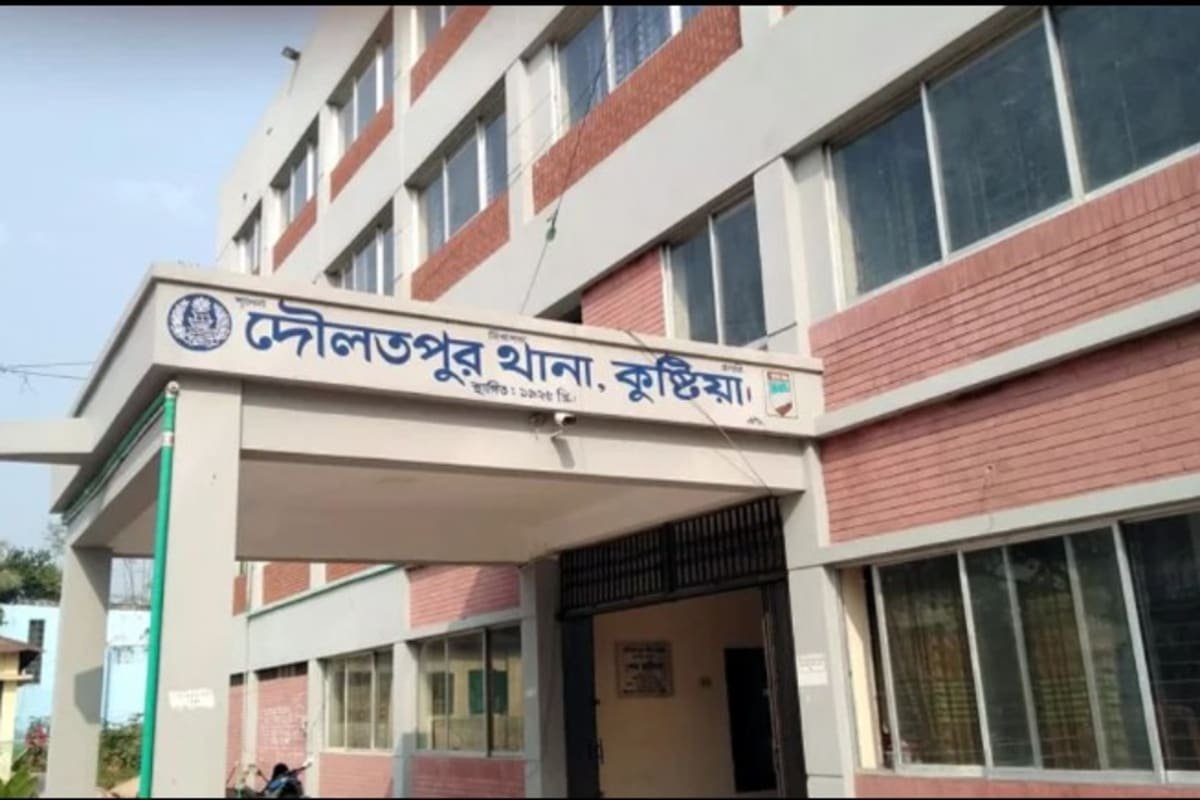
A teenager named Rokan Islam (18) was killed after losing control of his motorcycle and colliding with a palm tree in Daulatpur, Kushtia.
Why it matters: The untimely death in a road accident has cast a shadow of mourning over the family and raised fresh concerns regarding motorcycle safety at the local level.
The big picture: The tragic accident occurred on the Shashidharpur-Swaruppur road in the upazila at around 10:30 am on Thursday. The deceased, Rokan Islam, was the son of Shariful Islam from Taragunia village and worked as a cable line technician.
Between the lines: Rokan had left his home on his motorcycle in the morning for work. On the way, he lost control of the vehicle, which then slammed into a palm tree on the side of the road, causing him to suffer severe head injuries. Locals rescued him and rushed him to the Daulatpur Upazila Health Complex, where doctors declared him dead.
What’s next: Officer-in-Charge (OC) of Daulatpur Police Station, Khaledur Rahman, stated that police visited the scene after receiving news of the accident. The process of taking necessary legal action regarding the incident is underway.
The bottom line: It is primarily believed that the loss of life occurred due to the inability to control a speeding motorcycle. Careless driving and a lack of road safety measures often lead to such unwanted accidents.
Safety warning: Wearing a helmet and maintaining speed control should be mandatory for every motorcycle rider. Despite repeated warnings from the local administration and conscious citizens, the lack of awareness among the younger generation remains a major challenge in preventing road accidents.
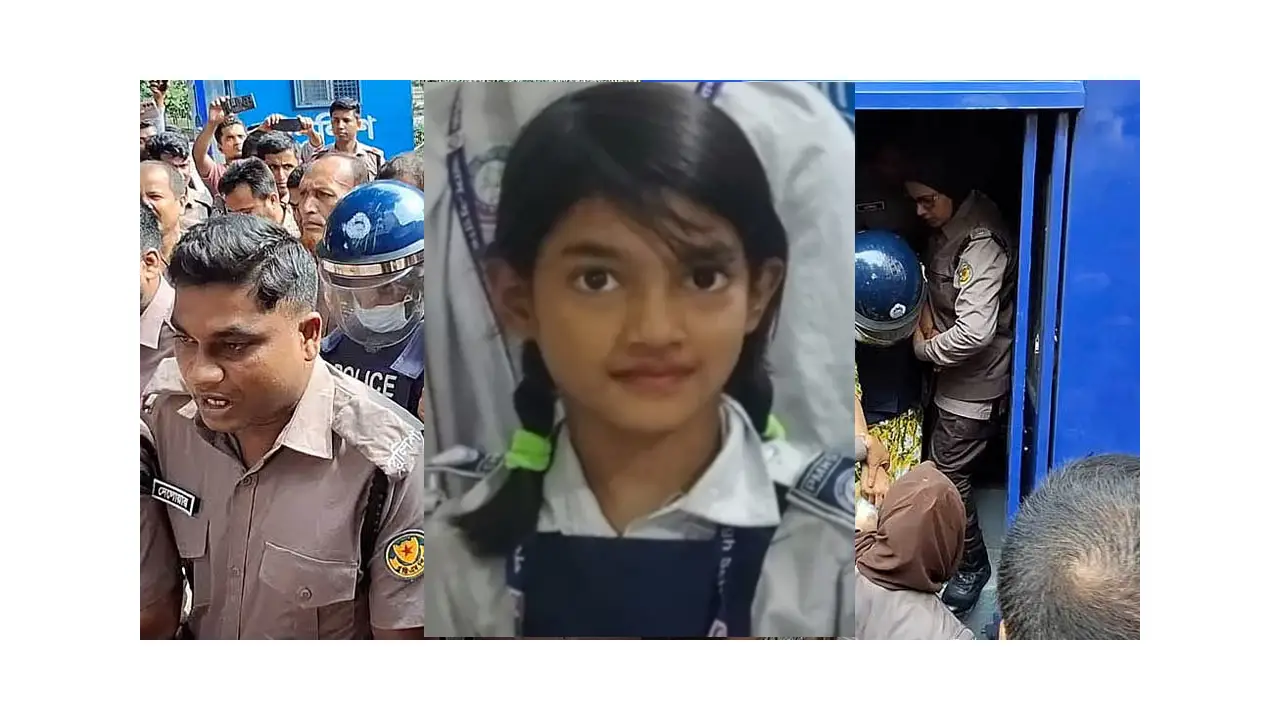
A Dhaka tribunal has sentenced a neighbor couple to death for the rape and brutal decapitation of an eight-year-old girl in the capital’s Pallabi area.
Couple Sentenced to Death for Brutal Child Murder: A Dhaka tribunal has sentenced a neighbor couple to death for the rape and brutal decapitation of an eight-year-old girl in the capital’s Pallabi area.
Why it matters:
This landmark verdict delivers a swift and powerful blow against child violence in Bangladesh, reinforcing accountability for heinous crimes. The case sets a critical judicial precedent by delivering ultimate punishment to both the primary perpetrator and his accomplice.
The big picture:
The Dhaka Metropolitan Child Violence Suppression Tribunal delivered the verdict sentencing convicts Sohel Rana and his wife, Swapna Akhtar, to death. The court also slapped massive financial penalties on the dopti, ordering Rana to pay 5 lakh Taka and Akhtar to pay 2 lakh Taka. The case erupted on May 19 after police discovered the headless body of second-grade student Ramisa Akhtar hidden inside a bucket in a Pallabi flat.
Between the lines:
- A coordinated trap: The investigation revealed that Swapna Akhtar intentionally lured young Ramisa into their apartment on the morning of the incident.
- Nrimshongsho assault: Medical exams and confessions proved that Sohel Rana, under the influence of narcotics, assaulted the child in the bathroom. He then decapitated her with a sharp knife to cover up the crime and hide the evidence.
- Rapid justice: Law enforcement moved with unprecedented speed, filing a flawless chargesheet within just five days of the murder, which allowed the tribunal to fast-track the entire trial.
By the numbers:
- 19: The entire judicial process—from the initial crime to the final execution of the verdict—took a mere 19 days.
- 16: The prosecution successfully presented and cross-examined 16 key witnesses to solidify the conviction.
- 7,00,000: The total financial penalty levied against the couple will be legally handed over to the victim’s family.
What’s next:
While the grieving family expressed absolute satisfaction with the rapid trial, the legal battle will now transition to the higher courts. The case moves forward for a mandatory death reference evaluation in the High Court, alongside anticipated appeals from the defense lawyers.
The bottom line:
While sensitive criminal trials in Bangladesh traditionally drag on for years, this verdict proves that the existing legal framework can deliver swift justice when authorities prioritize child safety and execute rigorous, fast-paced coordination.